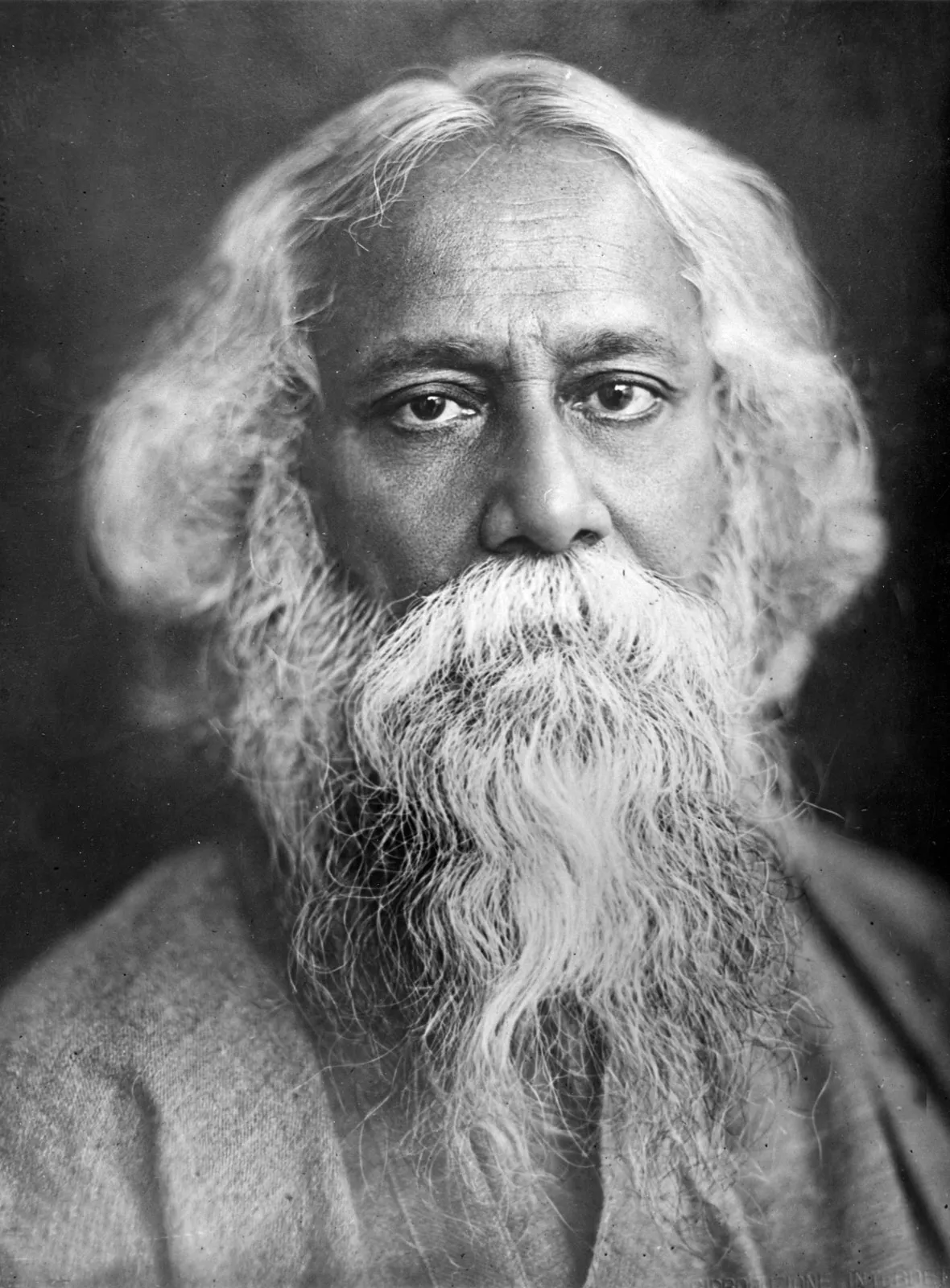
Embracing the Journey: The Call to Action
Rabindranath Tagore's poignant assertion, "You can't cross the sea merely by standing and staring at the water," serves as a powerful reminder of the necessity of action in our lives. This quote encapsulates the essence of human experience, urging us to move beyond mere contemplation and into the realm of doing. In a world often paralyzed by indecision and fear, Tagore's words resonate deeply, challenging us to embrace courage and take the first step toward our aspirations. The stakes are high; without action, dreams remain unfulfilled, and potential lies dormant.
In a broader sense, Tagore's message speaks to the universal human condition, where the desire for change often collides with the inertia of comfort. The image of standing at the shore, gazing at the vastness of the sea, evokes a sense of longing and possibility. Yet, it also highlights the futility of inaction. To truly engage with life, we must summon the courage to navigate the waters of uncertainty, embracing both the risks and rewards that come with stepping into the unknown. This call to action is not merely about physical movement; it is a profound invitation to engage with our inner selves and the world around us.
The image / the metaphor
Tagore's metaphor of crossing the sea vividly illustrates the contrast between passive observation and active participation. The sea, with its vastness and depth, symbolizes the myriad possibilities that life offers. The act of standing and staring suggests a state of paralysis, where one is overwhelmed by the enormity of what lies ahead. The verbs chosen—"cross" and "staring"—evoke a sense of urgency and agency, urging us to transition from a state of contemplation to one of action. The felt sense of this imagery is palpable; it invites us to feel the weight of our dreams and the necessity of movement.
Diving deeper into the metaphor, we can see that the sea also represents the challenges and uncertainties we face in our journeys. To cross it requires not only physical movement but also emotional and spiritual courage. The act of crossing the sea becomes a transformative journey, where each wave symbolizes the obstacles we must navigate. Tagore's words remind us that while the sea may be daunting, it is only through our willingness to engage with it that we can discover new shores and experiences. This metaphor serves as a powerful catalyst for self-reflection, prompting us to consider what seas we are standing before in our own lives.
In the speaker's tradition
Rabindranath Tagore's insights are deeply rooted in the rich tapestry of Hindu philosophy, where the concepts of dharma and action are paramount. In this tradition, dharma refers to one's duty or righteous path, emphasizing the importance of engaging with the world in a meaningful way. Tagore's call to action resonates with the idea of karma, where our actions shape our destinies. The notion of kenosis, or self-emptying, also parallels this teaching, suggesting that true fulfillment comes from surrendering our fears and stepping into the flow of life. In this light, Tagore's quote becomes a clarion call to embrace our responsibilities and act in accordance with our higher selves.
Moreover, Tagore's emphasis on action can be likened to the concept of bhakti, or devotion, where love and commitment to a cause propel us into action. Just as the devotee engages wholeheartedly in their practice, Tagore invites us to immerse ourselves in our pursuits with passion and dedication. A relevant text that echoes this sentiment is the Bhagavad Gita, where Krishna urges Arjuna to rise and fulfill his duty as a warrior, emphasizing that inaction is not an option. This alignment with the principles of Hindu philosophy reinforces the idea that our journey is not merely about contemplation but about actively participating in the unfolding of our lives.
Living the teaching
In today's fast-paced world, Tagore's teaching can be applied to the common scenario of career aspirations. Many individuals find themselves at a crossroads, contemplating a career change or pursuing a passion project. The fear of failure or the uncertainty of the unknown can lead to a state of inaction, where one merely dreams of what could be without taking the necessary steps. Tagore's words serve as a reminder that to achieve our goals, we must take that first leap—whether it be enrolling in a course, networking, or simply dedicating time to our craft. The act of moving forward, however small, can create a ripple effect, leading to greater opportunities and personal growth.
Another application of this teaching can be found in relationships, particularly during challenging moments. It is easy to fall into the trap of passive observation, where one may feel hurt or misunderstood but remains silent, hoping the situation will resolve itself. Tagore's quote encourages us to confront these feelings with courage, to engage in open dialogue, and to take action toward healing. By expressing our needs and vulnerabilities, we not only honor ourselves but also create space for deeper connection and understanding. In this way, the act of crossing the sea becomes a metaphor for navigating the complexities of human relationships, reminding us that vulnerability and courage are essential for growth.
A reflection
As we contemplate Tagore's profound insight, we are invited to reflect on our own lives and the seas we stand before. What dreams or aspirations have we been hesitant to pursue? In what areas of our lives do we find ourselves merely staring at the water, paralyzed by fear or uncertainty? This contemplation invites us to consider the actions we can take, however small, to begin our journey across the sea. By embracing the courage to act, we open ourselves to the transformative possibilities that await us on the other side.




Join the BrightStar Community
Stay connected with daily inspiration, event announcements, and community wisdom