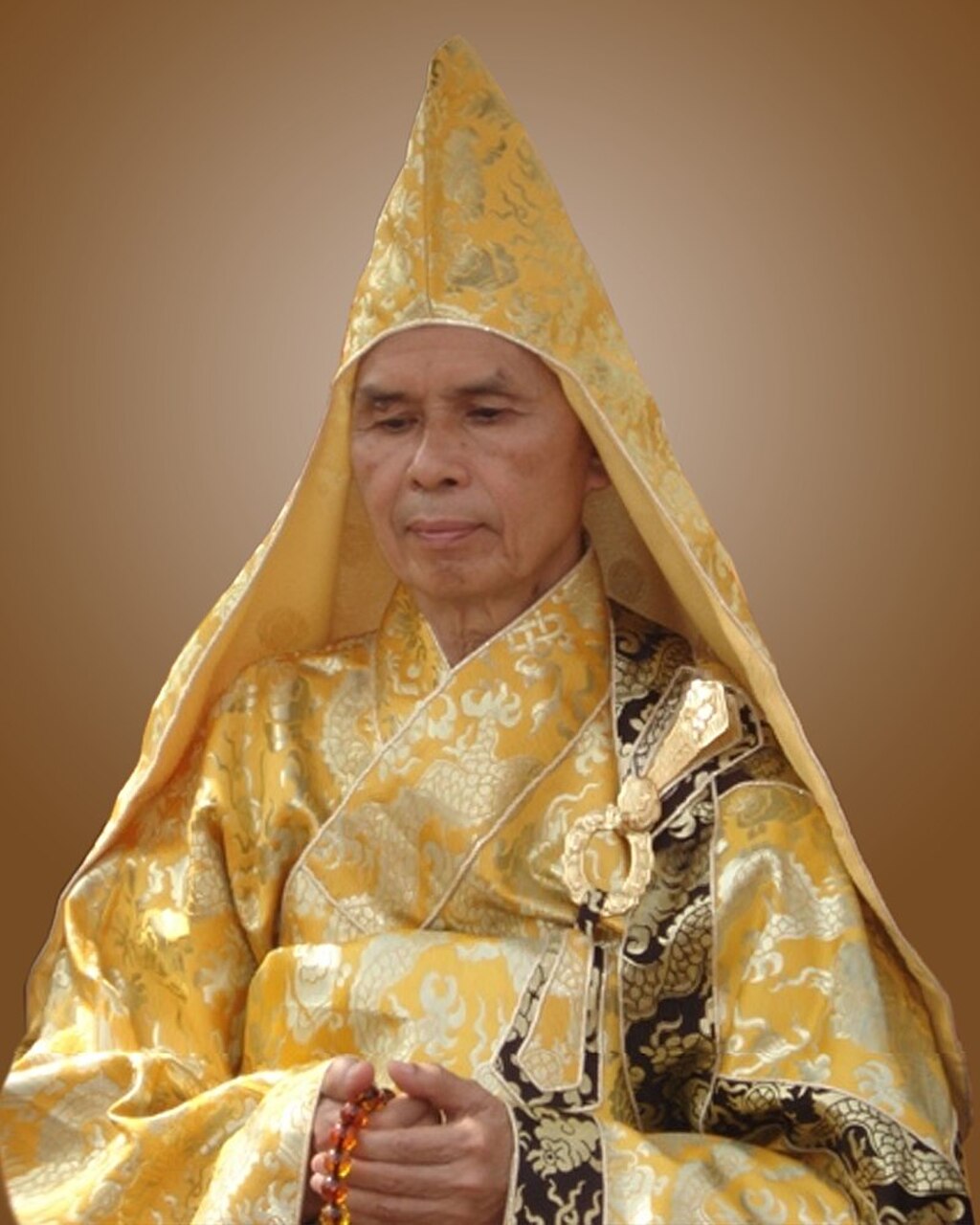
The Gentle Art of Breathing: Finding Calm and Joy in Each Moment
In the simple yet profound words of Thich Nhat Hanh, "Breathe in, calm. Breathe out, smile," we are invited to engage in a practice that transcends mere physical respiration. This quote encapsulates a holistic approach to mindfulness, suggesting that our breath can serve as a bridge between our inner state and the world around us. By consciously breathing in calmness and exhaling a smile, we cultivate a serene presence that can transform our experiences and interactions. This practice is not just about relaxation; it is a pathway to deeper awareness and connection.
As we delve into this quote, we uncover layers of meaning that resonate with the essence of being human. The act of breathing is often taken for granted, yet it is a vital thread that connects our body, mind, and spirit. Thich Nhat Hanh’s invitation to breathe in calm and breathe out a smile serves as a reminder that we possess the power to influence our emotional landscape. In a world filled with chaos and distraction, this practice offers a sanctuary of peace, urging us to reclaim our inner tranquility and express joy, even amidst challenges.
The image / the metaphor
At first glance, the imagery in Thich Nhat Hanh's quote is deceptively simple. The verbs "breathe in" and "breathe out" evoke the natural rhythm of life, a cycle that is both grounding and liberating. The act of inhaling calm suggests a conscious choice to invite serenity into our being, while exhaling a smile symbolizes the outward expression of that inner peace. This interplay between breath and emotion creates a felt sense of harmony, where the internal state of calm manifests in our external demeanor.
Diving deeper into the metaphor, we recognize that breath is not merely a physiological function but a profound spiritual practice. In many contemplative traditions, breath serves as a vehicle for mindfulness, a means to anchor ourselves in the present moment. By consciously engaging with our breath, we cultivate a state of awareness that allows us to navigate life's complexities with grace. The smile, then, becomes a reflection of this inner calm, a gentle reminder that joy can coexist with the challenges we face. Together, these elements create a holistic approach to living mindfully, where each breath becomes an opportunity for transformation.
In the speaker's tradition
Thich Nhat Hanh's teachings are deeply rooted in the Buddhist tradition, where concepts such as mindfulness (sati) and interbeing play a crucial role. The practice of mindful breathing aligns with the dharma, the teachings of the Buddha that guide us toward awakening and liberation. In this context, breathing in calm can be seen as an act of kenosis, a self-emptying that allows us to release tension and anxiety, making space for clarity and compassion. The smile, as an expression of joy, reflects the interconnectedness of all beings, reminding us that our inner state can influence the collective experience.
In his seminal work, "Peace Is Every Step," Thich Nhat Hanh emphasizes the importance of mindfulness in everyday life. He draws parallels between our breath and the essence of sunyata, or emptiness, suggesting that by letting go of our attachments and judgments, we can experience a profound sense of peace. This teaching resonates with the idea of prajna, or wisdom, which arises when we cultivate awareness and understanding. Through the practice of mindful breathing, we not only nurture our own well-being but also contribute to the harmony of the world around us.
Living the teaching
Consider a modern scenario where the teachings of Thich Nhat Hanh can be applied: imagine a hectic morning filled with deadlines and responsibilities. As the pressures mount, it is easy to become overwhelmed and reactive. However, by taking a moment to pause and engage in the practice of breathing in calm and breathing out a smile, one can create a shift in perspective. This simple act can transform the experience of stress into an opportunity for mindfulness, allowing for a more centered approach to the day ahead.
In the context of relationships, this teaching can be equally transformative. Picture a moment of conflict with a loved one, where emotions run high and communication falters. By consciously breathing in calm and exhaling a smile, we can create a space for understanding and compassion. This practice not only helps to diffuse tension but also fosters a deeper connection, reminding us that our emotional responses can be managed through mindfulness. In both personal and interpersonal scenarios, the act of breathing becomes a powerful tool for cultivating peace and joy.
A reflection
As we reflect on Thich Nhat Hanh's wisdom, we are invited to consider how we can integrate this practice into our daily lives. What would it look like to consciously breathe in calm and breathe out a smile in moments of stress or uncertainty? This contemplative question encourages us to explore the transformative power of our breath and the impact it can have on our emotional landscape. In embracing this practice, we open ourselves to a deeper understanding of ourselves and our interconnectedness with others.




Join the BrightStar Community
Stay connected with daily inspiration, event announcements, and community wisdom