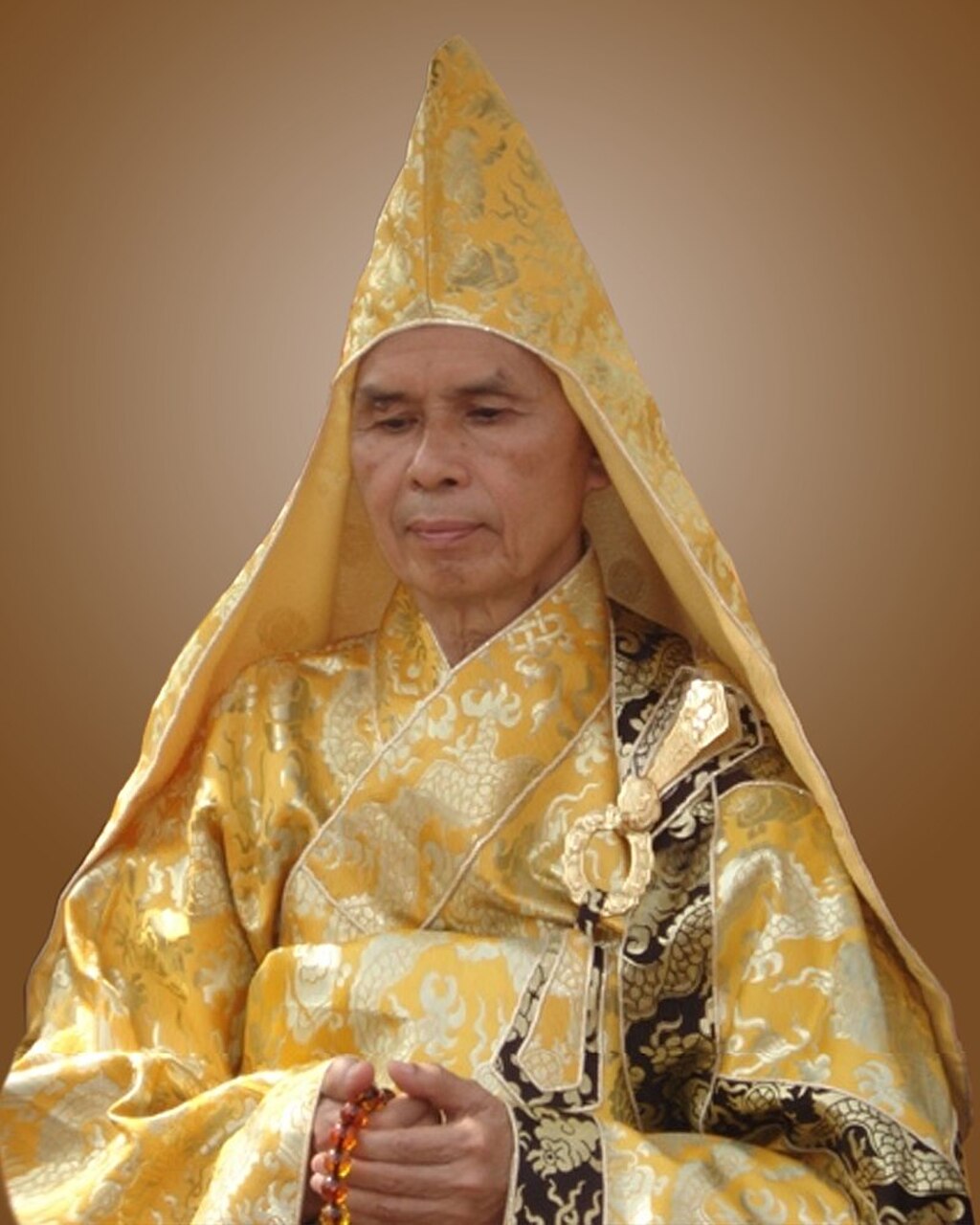
The Art of Arrival: Embracing Presence Through Breath
In the gentle wisdom of Thich Nhat Hanh, we find a profound invitation to embrace the present moment: "Breathing in, I am here. Breathing out, I have arrived." This simple yet powerful statement encapsulates the essence of mindfulness, urging us to recognize our existence and the sanctity of each breath. In a world often characterized by distraction and haste, this teaching serves as a reminder of the importance of grounding ourselves in the here and now, fostering a deeper connection to our own lives and the world around us.
As we delve into this quote, we uncover layers of meaning that resonate with our human experience. The act of breathing, a fundamental and often overlooked aspect of life, becomes a gateway to presence and awareness. By consciously engaging with our breath, we cultivate a sense of arrival—not just in a physical sense, but in an emotional and spiritual context. This practice invites us to pause, to reflect, and to fully inhabit our being, allowing us to experience life more fully and authentically.
The image / the metaphor
At its core, Thich Nhat Hanh's quote paints a vivid picture of the interplay between breath and presence. The imagery of "breathing in" and "breathing out" evokes a rhythmic dance, a natural cycle that mirrors the ebb and flow of life itself. The verbs chosen—"am" and "have arrived"—speak to a state of being that transcends mere existence. They invite us to acknowledge our presence in the moment and to recognize that each breath is an opportunity for renewal and awakening.
Diving deeper into the metaphor, we see that breathing serves as a bridge between our inner and outer worlds. It is a reminder that we are not just passive observers of life but active participants in our own journey. The act of breathing in signifies an openness to the present, while breathing out symbolizes the release of distractions and anxieties. Together, these actions create a sacred space where we can truly arrive at ourselves, fostering a sense of peace and clarity that is often elusive in our fast-paced lives.
In the speaker's tradition
Thich Nhat Hanh's teachings are deeply rooted in the Buddhist tradition, where concepts such as mindfulness (sati) and emptiness (sunyata) play pivotal roles. The practice of mindfulness encourages us to cultivate awareness of our thoughts, feelings, and sensations, allowing us to fully engage with the present moment. This aligns beautifully with the essence of Hanh's quote, as it emphasizes the importance of being fully present in our experiences, free from the burdens of past regrets or future anxieties.
In his seminal work, "The Heart of the Buddha's Teaching," Thich Nhat Hanh elaborates on the notion of interbeing, which suggests that all things are interconnected. This concept reinforces the idea that our presence is not isolated; rather, it is intricately woven into the fabric of existence. By breathing mindfully, we not only arrive at ourselves but also acknowledge our connection to the world around us, fostering compassion and understanding in our interactions with others.
Living the teaching
Consider a modern scenario where this teaching can be applied: a busy day at work filled with meetings and deadlines. In the midst of the chaos, one might feel overwhelmed, caught in a whirlwind of tasks and responsibilities. By consciously practicing Thich Nhat Hanh's teaching—taking a moment to breathe in and acknowledge, "I am here," followed by a breath out to affirm, "I have arrived"—we can create a pause that allows us to reset our focus and regain clarity. This simple act can transform our experience, turning a hectic day into an opportunity for mindfulness.
Another application of this teaching can be found in our relationships. Imagine a moment of tension with a loved one, where misunderstandings and emotions run high. By taking a breath and grounding ourselves in the present, we can approach the situation with a clearer mind and an open heart. Breathing in, we acknowledge our feelings; breathing out, we release the urge to react impulsively. This practice not only fosters deeper connections but also cultivates a space for compassion and understanding, allowing us to navigate difficult moments with grace.
A reflection
As we reflect on Thich Nhat Hanh's poignant words, we are invited to consider the significance of our own presence in the world. How often do we find ourselves lost in thought, disconnected from the richness of the moment? In the spirit of mindfulness, let us ask ourselves: What does it mean to truly arrive in our lives, and how can we cultivate this sense of presence in our daily experiences? This contemplative question invites us to explore the depths of our being and to embrace the transformative power of each breath.




Join the BrightStar Community
Stay connected with daily inspiration, event announcements, and community wisdom