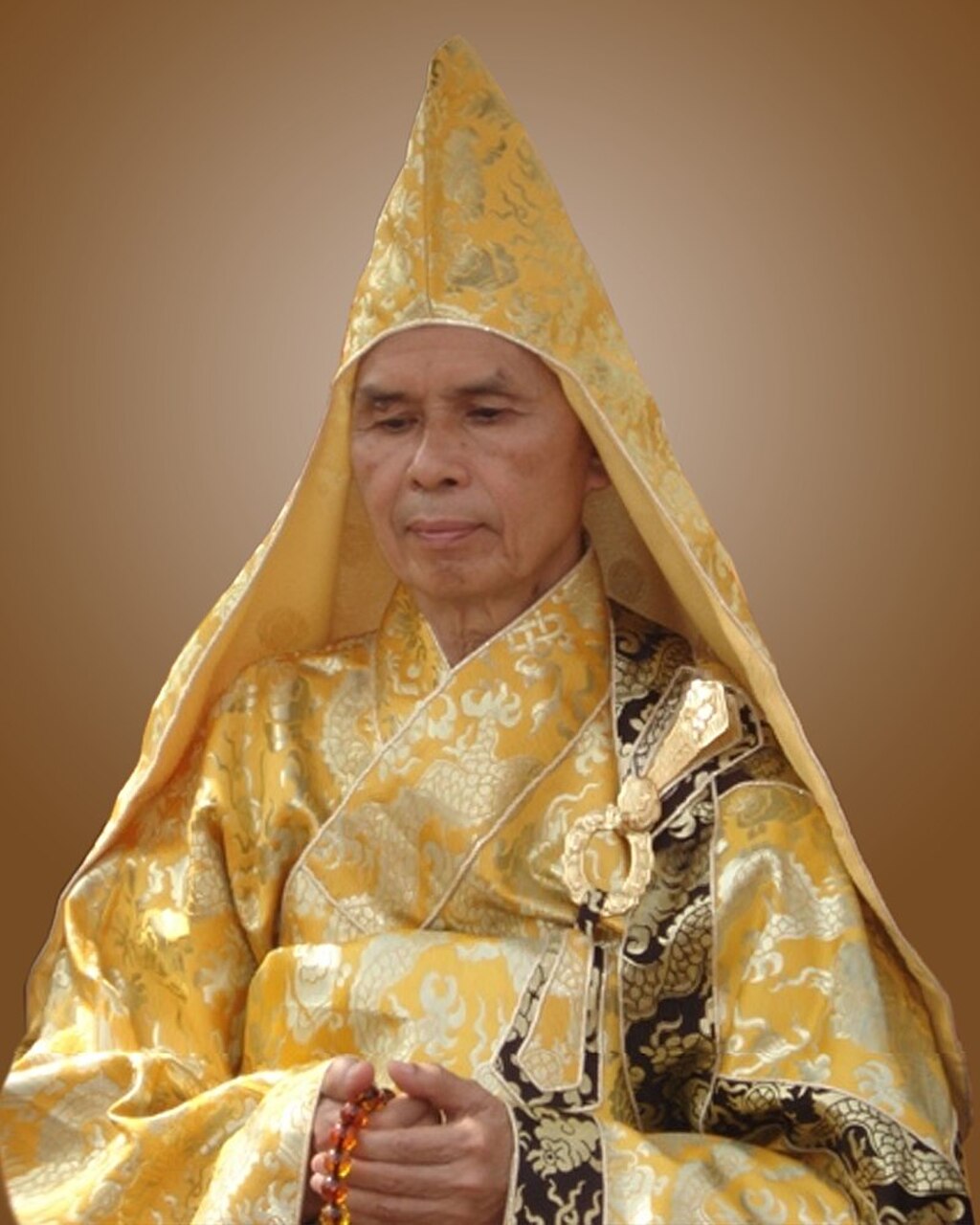
The Living Essence of Compassion
Thich Nhat Hanh's assertion that "compassion is a verb" invites us to reconsider our understanding of compassion as merely a feeling or an abstract concept. Instead, he emphasizes that compassion is inherently active, demanding our engagement and participation in the world around us. This perspective transforms compassion from a passive sentiment into a dynamic force that shapes our interactions and relationships, urging us to embody this quality in tangible ways. The stakes are high; in a world often marked by division and suffering, the call to action is not just a moral imperative but a pathway to healing and connection.
Delving deeper, we recognize that this statement challenges the common perception of compassion as a solitary emotion, one that can be felt in isolation. By framing compassion as a verb, Thich Nhat Hanh highlights the necessity of action—of stepping beyond our own experiences and extending ourselves toward others. This shift in understanding compels us to ask how we can actively cultivate compassion in our daily lives, transforming our intentions into meaningful actions that resonate with the suffering of others. It is a call to live compassion, to make it a practice rather than a mere thought.
The image / the metaphor
The imagery embedded in the phrase "compassion is a verb" evokes a sense of movement and dynamism. Verbs are action words; they signify doing, engaging, and participating. In this context, compassion is not a static quality to be possessed but a living, breathing practice that requires our involvement. The felt sense of this quote invites us to envision compassion as a river, flowing and adapting, nourishing the landscapes it touches. It urges us to recognize that our capacity for compassion can only be realized through our actions, through the choices we make in our interactions with others.
In the speaker's tradition
Thich Nhat Hanh's teaching on compassion is deeply rooted in the Buddhist tradition, where the concept of compassion (karuna) is central to the path of awakening. In Buddhism, compassion is not merely an emotional response but a fundamental aspect of the Dharma, the teachings that guide us toward enlightenment. This understanding aligns with the notion of sunyata, or emptiness, which teaches that our separateness is an illusion. By recognizing our interconnectedness, we can cultivate a compassionate heart that transcends individual suffering and embraces the collective experience of humanity.
In his seminal work, "The Heart of the Buddha's Teaching," Thich Nhat Hanh elaborates on the Four Noble Truths and the Eightfold Path, emphasizing that compassion is integral to both understanding suffering and alleviating it. He draws parallels between compassion and the practice of mindfulness, suggesting that being present with ourselves and others allows us to respond to suffering with genuine care. This connection between mindfulness and compassion illustrates that to act compassionately, we must first cultivate awareness, enabling us to see the needs of others clearly and respond with intention.
Living the teaching
Consider a modern scenario where this teaching can resonate: a friend confides in you about their struggles with mental health. In this moment, compassion as a verb calls you to listen actively, to be present without judgment, and to offer support in whatever form they need. It may mean simply sitting in silence with them, validating their feelings, or even helping them seek professional help. This active engagement transforms your relationship, creating a space where vulnerability is met with understanding, and suffering is shared rather than borne alone.
Another application of this teaching can be found in the context of a difficult conversation with a loved one. Perhaps there has been a misunderstanding that has led to hurt feelings. Here, compassion as a verb invites you to approach the situation with openness and a willingness to understand the other person's perspective. Instead of reacting defensively, you can choose to engage with empathy, seeking to bridge the gap between you. This practice of compassionate communication not only resolves conflict but also deepens the bond of trust and love in your relationship.
A reflection
As we reflect on Thich Nhat Hanh's profound statement that "compassion is a verb," we are invited to consider how we can embody this teaching in our own lives. What actions can we take today to express compassion toward ourselves and others? In a world that often feels disconnected, this question serves as a guiding light, encouraging us to transform our intentions into meaningful actions that foster connection and healing. Let us ponder how we can make compassion a living practice, one that flows through our daily interactions and choices.




Join the BrightStar Community
Stay connected with daily inspiration, event announcements, and community wisdom