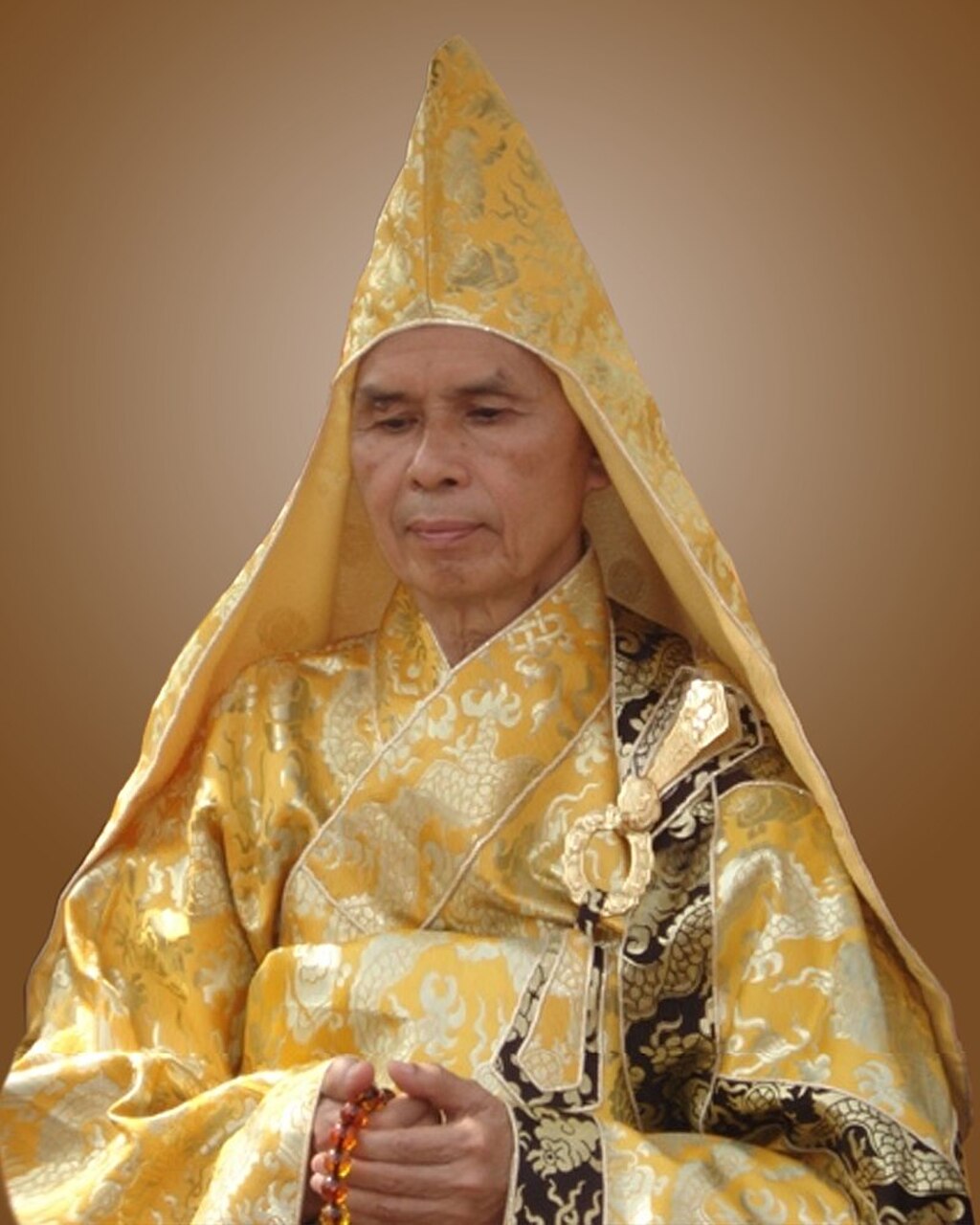
The Blossoming of Belonging in Humanity's Garden
Thich Nhat Hanh's poignant assertion that "Each of us is a flower in the garden of humanity" invites us to reflect on our interconnectedness and unique contributions to the collective human experience. This metaphor not only emphasizes the beauty of individuality but also highlights the essential role each person plays in nurturing a harmonious society. In a world often marked by division and isolation, this perspective serves as a gentle reminder of our shared existence and the importance of cultivating compassion and understanding among one another.
As we delve deeper into this metaphor, we uncover layers of meaning that resonate with our innate desire for belonging and connection. Each flower, while distinct in its color, shape, and fragrance, contributes to the overall beauty of the garden, symbolizing the rich diversity of human experience. This imagery encourages us to embrace our uniqueness while recognizing that our true fulfillment lies in our relationships with others. In nurturing ourselves and those around us, we participate in the flourishing of humanity as a whole.
The image / the metaphor
The imagery of flowers in a garden evokes a sense of vibrancy and life, suggesting that each individual possesses inherent beauty and potential. The choice of the word "flower" implies a natural unfolding, a blossoming that occurs when conditions are right. This metaphor invites us to consider not only our own growth but also the environment that supports it. Just as flowers require sunlight, water, and care, so too do we need love, acceptance, and community to thrive.
Diving deeper into this metaphor, we can see that the garden represents the world we inhabit, a space where diversity is not merely tolerated but celebrated. Each flower, with its unique characteristics, contributes to the overall ecosystem, creating a tapestry of life that is both beautiful and essential. This interconnectedness suggests that our personal journeys are intertwined with those of others, and our growth is dependent on the nurturing of relationships. In this way, the garden becomes a symbol of collective responsibility, urging us to cultivate compassion and understanding in our interactions.
In the speaker's tradition
Thich Nhat Hanh's teachings are deeply rooted in the Buddhist tradition, where concepts such as interbeing and sunyata (emptiness) illuminate the interconnected nature of existence. The idea of interbeing suggests that nothing exists in isolation; rather, we are all part of a vast web of relationships that shape our identities and experiences. This understanding encourages us to recognize that our actions have far-reaching consequences, and that nurturing our own growth contributes to the flourishing of others.
In his work, Thich Nhat Hanh often references the concept of "mindfulness," which emphasizes being present and aware of our thoughts, feelings, and surroundings. This practice aligns beautifully with the metaphor of flowers in a garden, as mindfulness allows us to appreciate our own unique qualities while also recognizing the beauty in others. In his book "True Love," he invites readers to cultivate love and compassion, not just for ourselves but for all beings, reinforcing the idea that we are all interconnected flowers in the garden of humanity.
Living the teaching
Consider a modern scenario where this teaching resonates: a workplace filled with diverse individuals, each bringing their unique skills and perspectives to the table. In such an environment, recognizing each person as a flower in the garden can foster collaboration and creativity. When team members appreciate one another's contributions, they create a supportive atmosphere that encourages growth and innovation. This acknowledgment of individuality within a collective framework can transform the workplace into a thriving garden of ideas and solutions.
In a more personal context, imagine a relationship where one partner feels undervalued or overlooked. By embracing the teaching of Thich Nhat Hanh, the other partner can actively cultivate an environment of appreciation and support, recognizing the unique qualities that each person brings to the relationship. This practice of acknowledgment and care can deepen the bond between them, allowing both individuals to flourish as they nurture their connection. In daily life, whether in friendships, family dynamics, or community interactions, the metaphor of flowers in a garden serves as a powerful reminder to honor and celebrate the beauty of each person's journey.
A reflection
As we contemplate Thich Nhat Hanh's words, we are invited to consider our own role in the garden of humanity. How can we cultivate a sense of belonging, both for ourselves and for others? In what ways can we nurture the unique qualities of those around us, allowing them to blossom and thrive? These questions encourage us to reflect on our interconnectedness and the impact we have on one another, guiding us toward a more compassionate and inclusive existence.




Join the BrightStar Community
Stay connected with daily inspiration, event announcements, and community wisdom