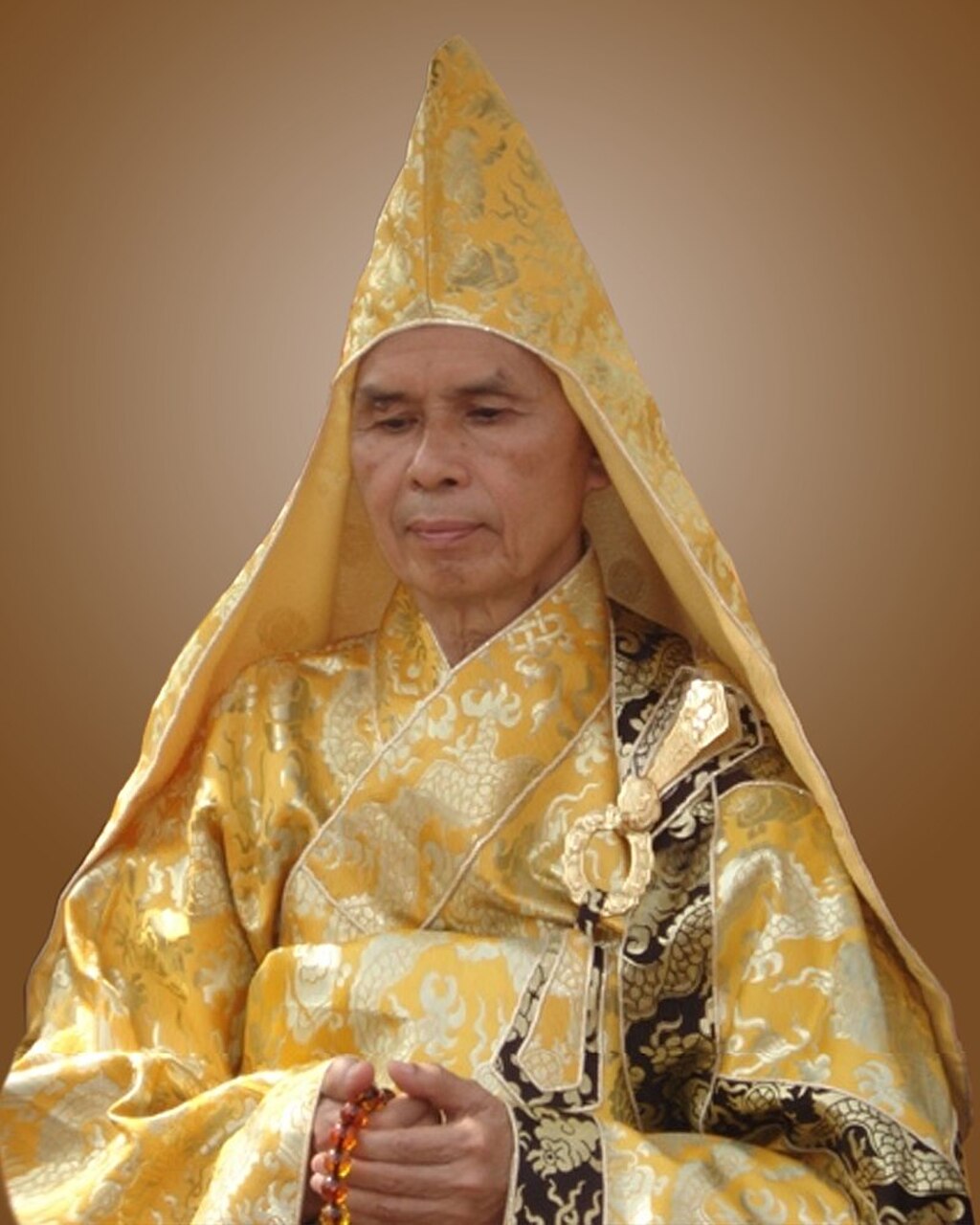
The Garden of Interbeing: Embracing Collective Beauty
Thich Nhat Hanh's poignant observation, "Every flower's beauty is the entire garden's gift," invites us to reflect on the interconnectedness of all beings and the shared beauty that arises from this unity. In a world often marked by individualism and separation, this quote serves as a gentle reminder that our individual qualities and contributions are not isolated but rather part of a larger tapestry of existence. Recognizing this interconnectedness can transform our understanding of beauty, prompting us to appreciate not only our own gifts but also those of others.
At its core, this quote speaks to the essence of interbeing, a fundamental concept in Thich Nhat Hanh's teachings. It suggests that the beauty of one flower is not merely a solitary phenomenon but a reflection of the entire garden's vitality. This perspective encourages us to cultivate a sense of gratitude and awareness for the collective contributions that shape our experiences. By embracing this interconnected beauty, we can foster a deeper sense of community and belonging, ultimately enriching our lives and the lives of those around us.
The image / the metaphor
The imagery of a garden filled with diverse flowers evokes a sense of harmony and abundance. Each flower, with its unique shape, color, and fragrance, contributes to the overall beauty of the garden. The verbs in the quote—“is” and “gift”—suggest a state of being and a sense of generosity, emphasizing that beauty is not a possession but a shared experience. This imagery invites us to visualize not just the individual flowers but the entire ecosystem that supports their growth, highlighting the importance of nurturing relationships and environments that allow beauty to flourish.
Diving deeper into the metaphor, we can see that the garden represents the world and our interconnected lives. Each flower symbolizes an individual, with its beauty arising from the soil, sunlight, and water provided by the garden as a whole. This interconnectedness reflects the Buddhist principle of interdependence, where the existence and flourishing of one being are inextricably linked to the well-being of others. Thus, the beauty of each flower becomes a testament to the collective effort and support of the entire garden, reminding us that our lives are enriched by the presence and contributions of those around us.
In the speaker's tradition
Thich Nhat Hanh's teachings are deeply rooted in the Buddhist concept of interbeing, which posits that all phenomena are interconnected and that nothing exists in isolation. This idea resonates with the notion of sunyata, or emptiness, which suggests that our identities and experiences are shaped by our relationships with others. In recognizing that our beauty is a reflection of the collective, we can cultivate a sense of humility and gratitude, understanding that our existence is supported by a myriad of factors beyond ourselves. This perspective aligns with the practice of mindfulness, where we become aware of the interconnected web of life that sustains us.
In his book "True Love," Thich Nhat Hanh emphasizes the importance of compassion and understanding in nurturing relationships. He writes about the practice of deep listening and loving speech, which fosters connection and appreciation among individuals. This aligns with the idea that every flower's beauty contributes to the garden's gift; when we practice compassion, we not only enhance our own beauty but also uplift those around us, creating a more vibrant and harmonious community.
Living the teaching
Consider a modern scenario where this teaching can be applied: a workplace filled with diverse talents and perspectives. Each employee brings their unique skills and insights, contributing to the overall success of the organization. When individuals recognize that their contributions are part of a larger effort, they are more likely to collaborate, support one another, and celebrate each other's achievements. This collective appreciation fosters a positive work environment where everyone feels valued, ultimately enhancing productivity and creativity.
In a more personal context, think about a relationship where one partner feels undervalued or overlooked. By embracing the teaching of interbeing, both partners can cultivate an awareness of how their individual strengths and vulnerabilities contribute to the relationship's beauty. This understanding can lead to deeper communication, empathy, and appreciation for one another, transforming moments of conflict into opportunities for growth and connection. By recognizing that each person's beauty enriches the partnership, they can create a more loving and supportive bond.
A reflection
As we contemplate Thich Nhat Hanh's profound insight, we might ask ourselves: In what ways can I recognize and celebrate the beauty of others in my life? This question invites us to reflect on our relationships and the interconnectedness that binds us. By actively acknowledging the gifts that each person brings to our shared garden, we can cultivate a deeper sense of gratitude and connection, enriching not only our own lives but also the lives of those around us.




Join the BrightStar Community
Stay connected with daily inspiration, event announcements, and community wisdom