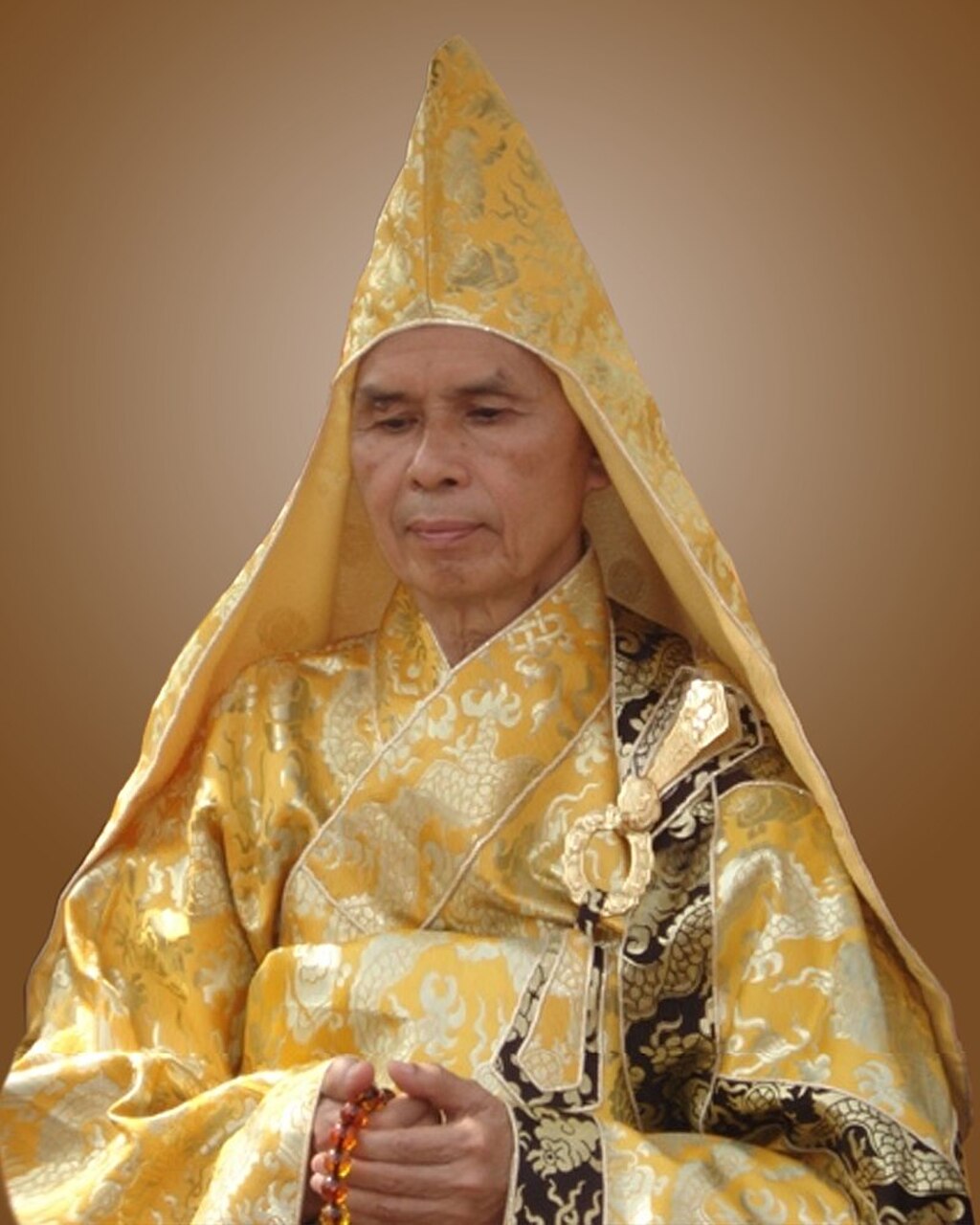
The Energy of Confidence in Spiritual Practice
Thich Nhat Hanh's assertion that "faith is the energy of confidence in the practice" invites us to explore the profound relationship between faith and our spiritual endeavors. In this context, faith is not merely a passive belief but an active force that fuels our commitment to practice. This understanding is crucial, as it emphasizes that our spiritual journey is not solely about adherence to doctrine but about cultivating a deep-seated confidence that propels us forward. The stakes are high; without this energy, our practices may become mechanical, devoid of the transformative power they hold.
Delving deeper, we recognize that faith, as described by Thich Nhat Hanh, is not blind trust but a dynamic interplay of understanding and experience. It is the confidence that arises from engaging with our practice, whether through meditation, mindfulness, or ethical living. This confidence is essential, as it nurtures resilience in the face of challenges and uncertainties. In a world often marked by doubt and distraction, this energy of confidence becomes a beacon, guiding us toward deeper insights and a more profound connection with ourselves and others.
The image / the metaphor
The imagery in Thich Nhat Hanh's quote evokes a sense of vitality and movement. Faith is described as energy, suggesting that it is not a static quality but something that can be cultivated and harnessed. The word "confidence" implies a sense of assurance and trust, which can only be developed through consistent practice. This metaphor of energy resonates deeply within the Buddhist tradition, where the cultivation of mental states and qualities is seen as essential for spiritual growth.
Going further into the metaphor, we can envision faith as a flame that ignites our practice. Just as a flame requires fuel to burn brightly, our spiritual endeavors need the energy of confidence to flourish. This energy transforms our practice from a mere routine into a vibrant expression of our inner truth. When we engage with our practice wholeheartedly, this flame can illuminate the path ahead, guiding us through the complexities of life with clarity and purpose.
In the speaker's tradition
Thich Nhat Hanh's teachings are deeply rooted in the Buddhist tradition, where concepts such as dharma, mindfulness, and interbeing play pivotal roles. Faith, in this context, aligns with the understanding of dharma as the natural law that governs our existence. It is through the practice of dharma that we cultivate the confidence necessary to navigate the challenges of life. This confidence is not merely personal but is intertwined with our interconnectedness with all beings, reflecting the essence of interbeing.
In "The Heart of the Buddha's Teaching," Thich Nhat Hanh emphasizes the importance of understanding the Four Noble Truths and the Eightfold Path as foundational elements of practice. These teachings provide a framework that nurtures our faith, allowing us to see the interconnectedness of all phenomena. By engaging with these principles, we develop a deeper understanding of our experiences, which in turn fosters the confidence that Thich Nhat Hanh speaks of. This confidence is essential for embracing the transformative potential of our practice.
Living the teaching
Consider a modern scenario where this teaching resonates: a person facing anxiety about their career path. In such a situation, the energy of confidence can be cultivated through mindfulness practices, such as meditation or deep breathing. By grounding themselves in the present moment, they can develop a sense of faith in their abilities and the unfolding of their journey. This confidence not only alleviates anxiety but also empowers them to take proactive steps toward their goals, transforming their approach to challenges.
Another application of this teaching might arise in interpersonal relationships. Imagine a couple navigating a difficult conversation. By approaching the dialogue with faith in their connection and the practice of active listening, they can foster an environment of trust and openness. This confidence in their relationship allows them to address issues constructively, reinforcing their bond and deepening their understanding of one another. In both scenarios, the energy of confidence becomes a transformative force that enhances the quality of their experiences.
A reflection
As we contemplate Thich Nhat Hanh's insight, we are invited to consider: How can I cultivate the energy of confidence in my own spiritual practice? This question encourages us to reflect on the ways we engage with our practices and the beliefs that underpin them. By examining our relationship with faith, we can uncover the sources of our confidence and explore how they can enrich our journey toward greater awareness and compassion.




Join the BrightStar Community
Stay connected with daily inspiration, event announcements, and community wisdom