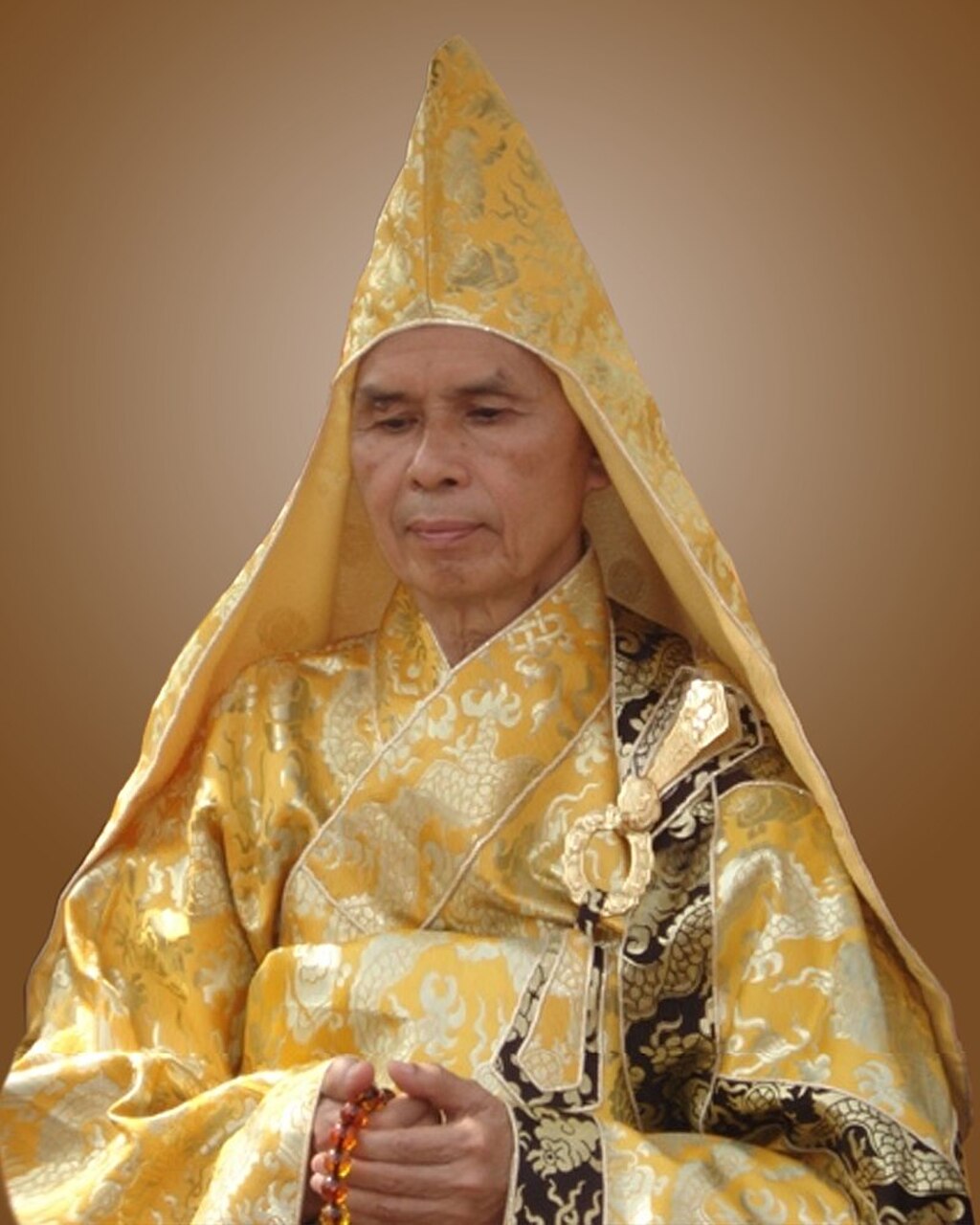
The Depth of Forgiveness: A Journey into the Heart of Understanding
Thich Nhat Hanh's assertion that "forgiveness is the practice of looking deeply" invites us to reconsider our approach to forgiveness. It suggests that true forgiveness is not merely an act of letting go but a profound engagement with the layers of our emotions and experiences. This perspective challenges us to confront our pain, our grievances, and the narratives we hold about ourselves and others, emphasizing that the path to healing lies in understanding rather than simply absolving.
In a world often quick to judge and dismiss, this quote serves as a reminder of the transformative power of empathy and insight. To look deeply is to cultivate a mindfulness that allows us to see beyond the surface of our conflicts and resentments. It encourages us to explore the roots of our suffering and the interconnectedness of our experiences, ultimately leading us toward a more compassionate existence. This practice of deep seeing can illuminate the shadows of our hearts and foster a sense of unity with those we perceive as adversaries.
The image / the metaphor
The imagery in Thich Nhat Hanh's words evokes a sense of introspection and vulnerability. "Looking deeply" suggests a deliberate and sustained gaze, one that penetrates the superficial layers of our emotions and thoughts. It implies a willingness to engage with the discomfort that often accompanies forgiveness, as we confront the complexities of our relationships and the narratives we have constructed around them. This act of looking is not passive; it requires an active commitment to understanding, akin to a gardener tending to the roots of a plant to ensure its growth.
Delving deeper into this metaphor, we can see that forgiveness, as Hanh describes it, is akin to a form of meditation. Just as meditation invites us to observe our thoughts and feelings without judgment, the practice of looking deeply encourages us to witness our pain and the pain of others with compassion. This process transforms our understanding of forgiveness from a mere transactional exchange into a profound relational experience, where we recognize the shared humanity in our struggles and the potential for healing through insight.
In the speaker's tradition
Thich Nhat Hanh's teachings are deeply rooted in the Buddhist tradition, where concepts such as dharma and prajna (wisdom) play pivotal roles. The practice of looking deeply aligns with the Buddhist understanding of sunyata, or emptiness, which teaches that our perceptions of self and other are often clouded by ignorance and attachment. By engaging in this deep seeing, we begin to unravel the illusions that bind us to our suffering, allowing for a more profound experience of interconnectedness and compassion.
In his work, Hanh often references the importance of mindfulness as a means to cultivate awareness and understanding. In "True Love," he emphasizes that forgiveness is not simply an act of will but a process that requires us to engage with our suffering and the suffering of others. This echoes the teachings found in the Heart Sutra, where the realization of emptiness leads to the liberation of the heart and mind, enabling us to embrace forgiveness as an expression of love and understanding.
Living the teaching
Consider a modern scenario where this teaching might resonate: a workplace conflict where misunderstandings have led to resentment between colleagues. Instead of allowing the situation to fester, one might choose to practice looking deeply. This could involve taking the time to understand the motivations and fears of the other person, recognizing that their actions may stem from their own struggles. By engaging in this practice, one can transform the conflict into an opportunity for connection and healing, ultimately fostering a more harmonious work environment.
In the realm of personal relationships, the practice of looking deeply can be equally transformative. Imagine a situation where a loved one has hurt you, and your instinct is to withdraw or retaliate. Instead, by choosing to look deeply, you might explore the underlying emotions that led to the hurtful action. This could involve reflecting on your own vulnerabilities and the shared history that informs your relationship. Such an approach not only paves the way for forgiveness but also deepens the bond between you, as both parties engage in a mutual exploration of their experiences and emotions.
A reflection
As we contemplate Thich Nhat Hanh's profound insight, we are invited to ask ourselves: What might I discover about myself and others if I were to truly look deeply into my experiences of hurt and forgiveness? This question encourages us to embark on a journey of self-exploration and empathy, reminding us that the path to forgiveness is not a destination but a continuous practice of understanding and compassion.




Join the BrightStar Community
Stay connected with daily inspiration, event announcements, and community wisdom