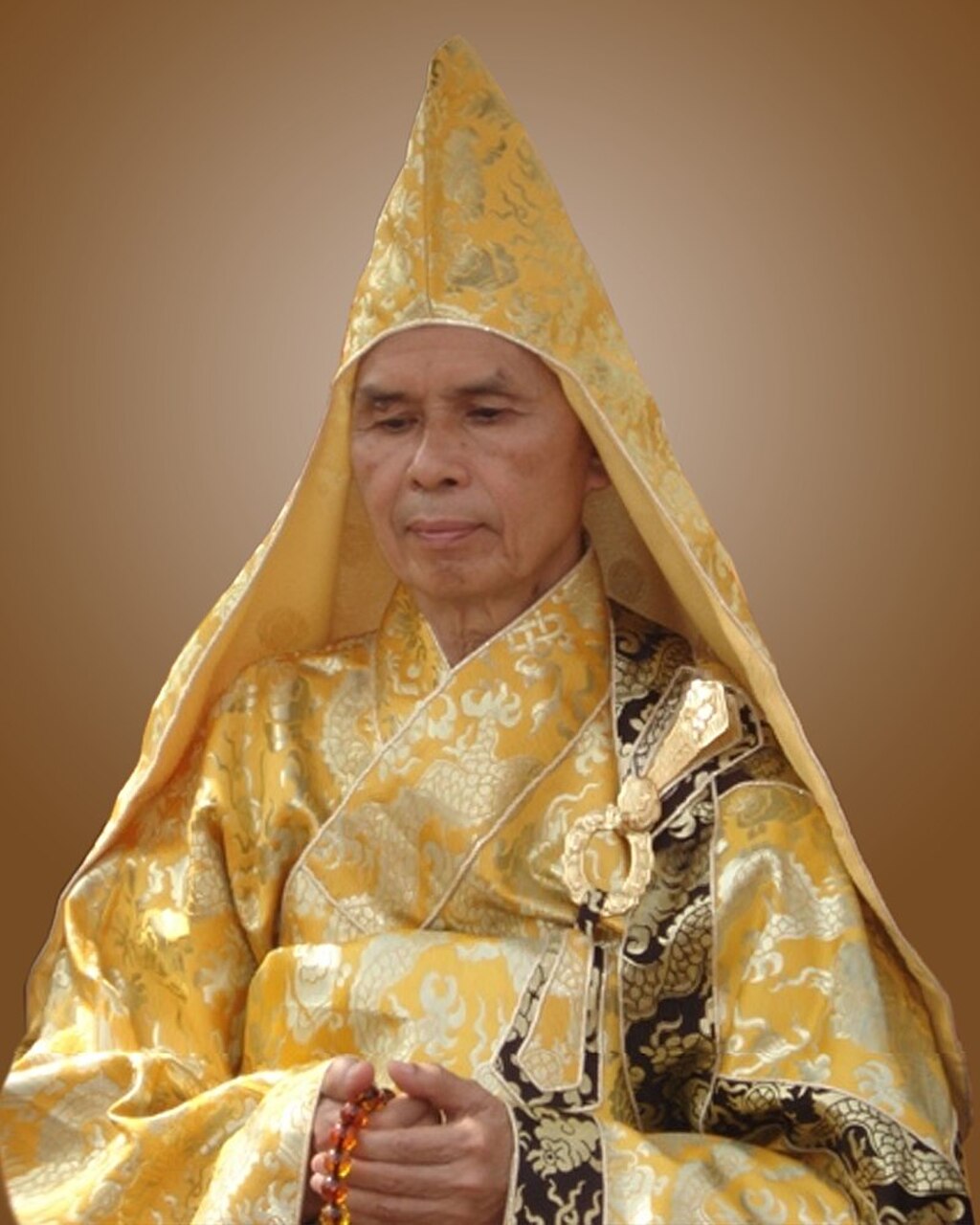
The Harmony of Stillness: Listening to Life's Song
Thich Nhat Hanh's profound assertion, "In stillness, we hear the song of life," invites us to explore the depths of our inner silence as a gateway to understanding the vibrancy of existence. In a world often filled with noise and distraction, this quote serves as a gentle reminder of the importance of cultivating stillness in our lives. It suggests that within the quietude of our minds and hearts, we can access a deeper resonance with the essence of life itself. This exploration is not merely an intellectual exercise; it is a call to experience the richness of being alive.
To delve deeper into this teaching, we must recognize that stillness is not merely the absence of sound or activity. It is an active state of awareness, a profound engagement with the present moment. In this stillness, we can attune ourselves to the subtle melodies of existence that often go unnoticed amidst the clamor of daily life. Thich Nhat Hanh encourages us to embrace this stillness as a means of connecting with the world around us, suggesting that the song of life is always present, waiting for us to listen.
The image / the metaphor
The imagery in Thich Nhat Hanh's quote evokes a sense of serenity and openness. The word "stillness" conjures a tranquil landscape, perhaps a quiet forest or a calm lake, where one can pause and reflect. The phrase "the song of life" suggests a vibrant, dynamic force that is both beautiful and intricate, much like the symphony of nature. The verbs chosen—"hear" and "song"—imply an active participation in this experience, inviting us to engage with life rather than merely observe it.
Diving deeper into the metaphor, we can understand that the "song of life" represents the interconnectedness of all beings and experiences. It is a reminder that life is not a solitary endeavor; rather, it is a harmonious interplay of relationships, emotions, and moments. In stillness, we can begin to discern the unique notes that each person and experience contributes to this grand symphony. This metaphor encourages us to listen not only with our ears but with our hearts, fostering a sense of empathy and connection with the world around us.
In the speaker's tradition
Thich Nhat Hanh's teachings are deeply rooted in the Buddhist tradition, which emphasizes the importance of mindfulness and the cultivation of awareness. Concepts such as dharma, the natural law that governs the universe, and sunyata, or emptiness, resonate with the idea that stillness allows us to perceive the true nature of reality. In this context, stillness becomes a practice of kenosis, or self-emptying, where we let go of our distractions and preconceived notions to fully embrace the present moment.
In his seminal work, "Peace Is Every Step," Thich Nhat Hanh elaborates on the practice of mindfulness as a means to cultivate this stillness. He encourages readers to engage in simple acts—like walking or breathing—mindfully, allowing them to become aware of the beauty and intricacies of life. This practice aligns with the Buddhist notion of prajna, or wisdom, which arises from direct experience and insight. Through stillness, we can access this wisdom and deepen our understanding of the interconnectedness of all things.
Living the teaching
Consider a modern scenario where this teaching might resonate: a busy professional navigating the demands of a hectic workday. In the midst of meetings, emails, and deadlines, the individual may feel overwhelmed and disconnected from their sense of purpose. By intentionally carving out moments of stillness—perhaps through a brief meditation or a quiet walk during lunch—they can reconnect with themselves and the world around them. In these moments, they may begin to hear the "song of life," recognizing the beauty in their work and the relationships they cultivate.
Another application of this teaching can be found in personal relationships, particularly during challenging conversations. When emotions run high, it is easy to become reactive and lose sight of the underlying connection. By practicing stillness—taking a deep breath, pausing before responding—individuals can create space for understanding and empathy. In this stillness, they may hear the unspoken needs and feelings of their partner, allowing for a more compassionate and constructive dialogue. This practice not only enhances relationships but also fosters a deeper appreciation for the shared human experience.
A reflection
As we contemplate Thich Nhat Hanh's invitation to find stillness and listen to the song of life, we might ask ourselves: What distractions in my life prevent me from experiencing the richness of the present moment? This question encourages us to reflect on our daily habits and the ways we might cultivate greater awareness and connection. By embracing stillness, we open ourselves to the beauty and complexity of life, allowing us to engage more fully with ourselves and the world around us.




Join the BrightStar Community
Stay connected with daily inspiration, event announcements, and community wisdom