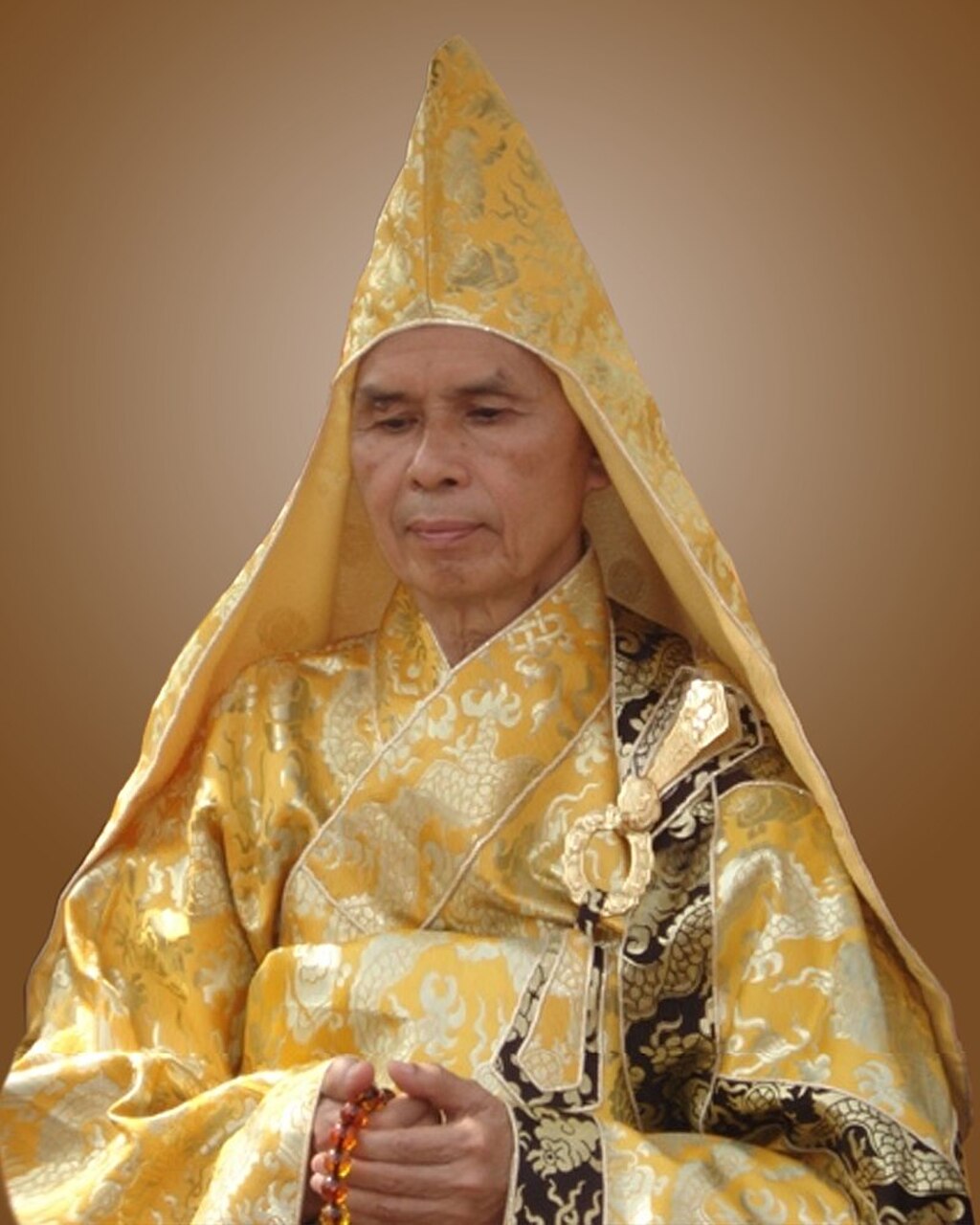
Embracing the Mud: The Beauty of Transformation
Thich Nhat Hanh's profound observation, "In the lotus, we see the mud. In the mud, we see the lotus," invites us to explore the intricate relationship between suffering and beauty, adversity and growth. This quote encapsulates the essence of transformation, suggesting that within our struggles lies the potential for profound beauty and enlightenment. Understanding this duality is essential for navigating the complexities of life, as it encourages us to embrace our challenges rather than shy away from them.
At its core, this teaching is a call to recognize the interconnectedness of our experiences. The lotus flower, revered in many spiritual traditions, emerges from murky waters, symbolizing purity and enlightenment. By acknowledging the mud from which the lotus arises, we cultivate a deeper appreciation for our own journeys, realizing that our hardships can lead to personal growth and spiritual awakening. This perspective not only fosters resilience but also nurtures compassion for ourselves and others as we navigate the inevitable ups and downs of existence.
The image / the metaphor
The imagery of the lotus and the mud is rich and evocative, inviting us to visualize the contrasting elements of our lives. The lotus, with its delicate petals and vibrant colors, stands in stark contrast to the dark, unappealing mud from which it grows. The choice of verbs in the quote—“see” and “see”—suggests a dual act of perception, urging us to look beyond surface appearances and recognize the deeper truths that lie beneath. This duality evokes a felt sense of both struggle and beauty, encapsulating the human experience in a single, powerful metaphor.
In the speaker's tradition
Thich Nhat Hanh's teachings are deeply rooted in the Buddhist tradition, where concepts such as dharma, sunyata (emptiness), and interbeing illuminate the path to understanding our existence. The notion of interbeing, in particular, emphasizes the interconnectedness of all things, suggesting that our suffering and joy are inextricably linked. This perspective aligns with the idea of kenosis, or self-emptying, which invites us to let go of our attachments and preconceived notions, allowing us to embrace the fullness of our experiences, both good and bad.
In his book "No Mud, No Lotus," Thich Nhat Hanh draws upon the teachings of the Buddha, who spoke of suffering as an integral part of life. The Four Noble Truths articulate this understanding, revealing that suffering is a universal experience and that it can lead to liberation when approached with mindfulness and compassion. By recognizing the mud in our lives, we can cultivate the wisdom (prajna) necessary to transform our suffering into a source of strength and insight.
Living the teaching
Consider a modern scenario where this teaching resonates: a person facing job loss. Initially, the experience may feel like a descent into the mud—filled with uncertainty, fear, and self-doubt. However, as they navigate this challenging period, they may discover new opportunities for growth, creativity, and self-reflection. This journey through the mud can lead to a blossoming of new skills, passions, and ultimately, a more fulfilling career path. By embracing the mud, they find the lotus of resilience and newfound purpose.
In relationships, the teaching can also manifest powerfully. Imagine a couple facing a significant conflict that feels insurmountable. In the heat of the moment, the mud of anger and misunderstanding may cloud their vision. Yet, if they can pause and reflect on their struggles, they may uncover deeper layers of love, vulnerability, and connection. By recognizing the mud within their relationship, they can nurture the lotus of intimacy and understanding, transforming their challenges into a source of strength and unity.
A reflection
As we contemplate Thich Nhat Hanh's wisdom, we are invited to reflect on our own lives: What mud have we encountered that has the potential to reveal our inner lotus? In what ways can we embrace our struggles as opportunities for growth and transformation? This contemplative question encourages us to look inward, fostering a deeper understanding of our experiences and the beauty that can arise from them.




Join the BrightStar Community
Stay connected with daily inspiration, event announcements, and community wisdom