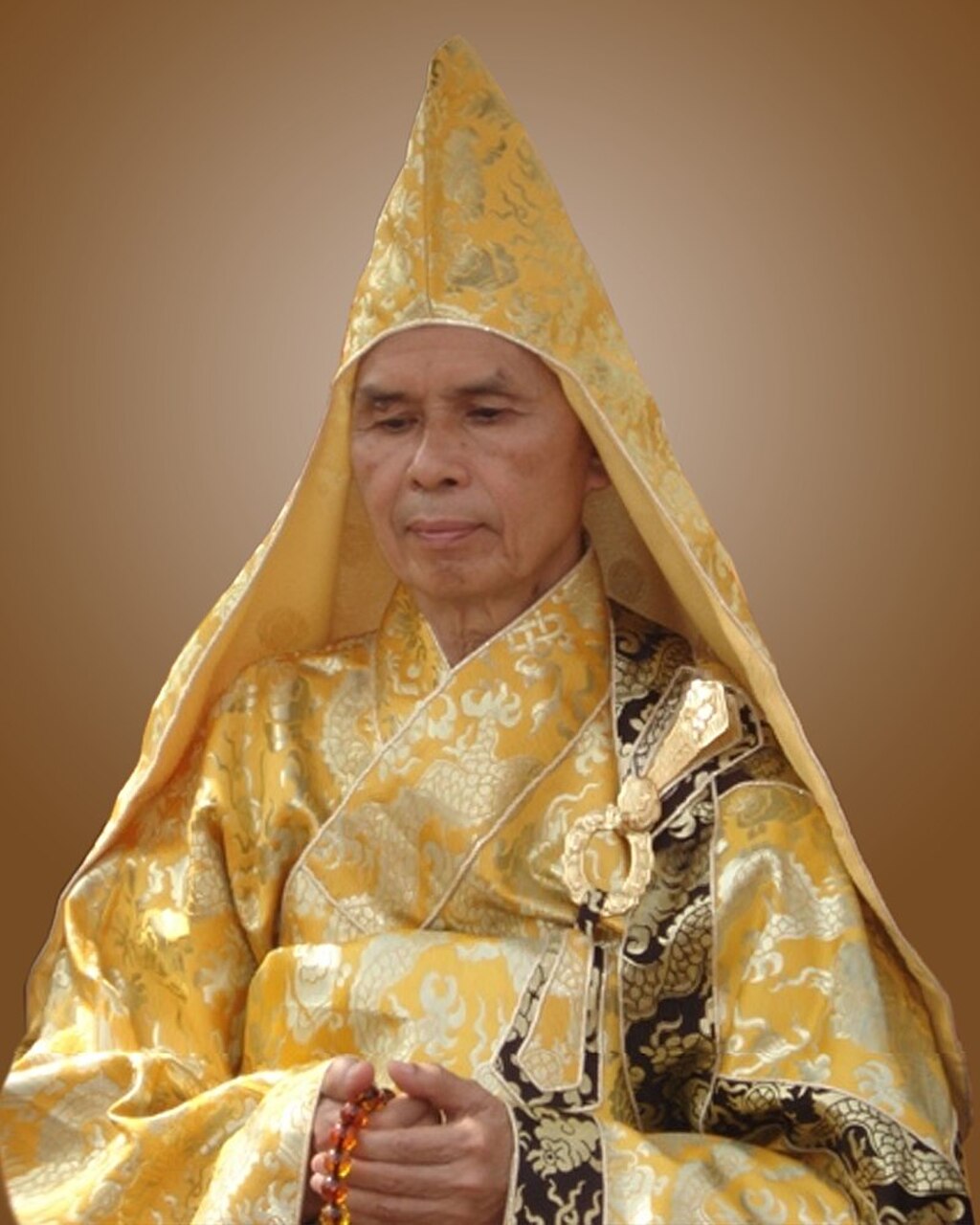
The Intertwined Nature of Joy and Suffering
Thich Nhat Hanh's poignant assertion that "Joy and suffering are not separate. They are the two sides of the lotus" invites us to reconsider the dualities we often impose on our experiences. In this statement, he reveals a profound truth about the human condition: joy and suffering coexist, each giving rise to the other in a delicate dance of existence. Understanding this relationship is crucial, as it encourages us to embrace the entirety of our emotional landscape rather than shying away from the darker aspects of life.
By likening joy and suffering to the two sides of a lotus, Thich Nhat Hanh urges us to recognize that our moments of happiness are often born from the depths of our struggles. This perspective not only fosters resilience but also cultivates compassion for ourselves and others. When we acknowledge that suffering can lead to deeper joy, we begin to see our challenges as integral to our growth, rather than as obstacles to be avoided. This insight can transform our approach to life's inevitable ups and downs, allowing us to navigate them with grace and understanding.
The image / the metaphor
The imagery of the lotus flower is rich and evocative, symbolizing purity and enlightenment in Buddhist tradition. The lotus grows in muddy waters, its roots anchored in the muck while its blossoms rise above the surface, radiant and untouched. This vivid metaphor encapsulates the essence of Thich Nhat Hanh's quote: joy and suffering are inextricably linked, each one informing and enhancing the other. The verbs chosen—"are" and "separate"—suggest a state of being that challenges our conventional understanding of happiness as something that can exist independently from pain.
Diving deeper into this metaphor, we see that the lotus does not shy away from the mud; instead, it embraces it as a necessary part of its journey. This acceptance of the mud symbolizes our willingness to confront our suffering, recognizing it as a fertile ground for growth. In this light, joy becomes not merely a fleeting emotion but a profound realization that emerges from the depths of our struggles. The lotus teaches us that beauty and resilience can flourish even in the most challenging circumstances, reminding us that our suffering can lead to a more profound appreciation of joy.
In the speaker's tradition
Thich Nhat Hanh's teachings are deeply rooted in the Buddhist tradition, which emphasizes the interconnectedness of all phenomena. Concepts such as sunyata (emptiness) and prajna (wisdom) resonate with the idea that joy and suffering are not oppositional forces but rather aspects of a unified whole. In Buddhism, the understanding of dukkha (suffering) is essential, as it acknowledges that suffering is an inherent part of life. By recognizing this, we can cultivate a sense of compassion and understanding, both for ourselves and for others who are navigating their own struggles.
In his book "No Mud, No Lotus," Thich Nhat Hanh draws on the teachings of the Buddha, who spoke of the Four Noble Truths, which outline the nature of suffering and the path to liberation. The Buddha's insights encourage us to confront our suffering with mindfulness and compassion, allowing us to transform it into a source of wisdom. This transformative process echoes the journey of the lotus, illustrating that through our struggles, we can attain a deeper understanding of joy and fulfillment.
Living the teaching
Consider a modern scenario where this teaching resonates: a person grappling with the loss of a loved one. Initially, the overwhelming grief may seem insurmountable, casting a shadow over any sense of joy. However, as time passes, the individual may find that their memories of joy shared with the departed become a source of comfort and strength. In this way, the experience of suffering can deepen their appreciation for the moments of happiness they once shared, illustrating the interconnectedness of joy and sorrow.
In relationships, this teaching can manifest during conflicts or misunderstandings. When partners face challenges, they may feel frustration or sadness, yet these moments can also serve as opportunities for growth and deeper connection. By embracing the discomfort and seeking to understand each other's perspectives, they can emerge from the struggle with a renewed sense of joy and intimacy. This dynamic illustrates how navigating suffering together can ultimately strengthen the bond between individuals, reinforcing the idea that joy and suffering are indeed two sides of the same lotus.
A reflection
As we contemplate Thich Nhat Hanh's profound insight, we are invited to reflect on our own experiences of joy and suffering. How have moments of pain in your life led to a deeper understanding or appreciation of joy? In what ways can you embrace the full spectrum of your emotions, recognizing that each contributes to your growth and wisdom? This contemplation encourages us to honor both joy and suffering as essential elements of our journey, allowing us to cultivate a more compassionate and resilient heart.




Join the BrightStar Community
Stay connected with daily inspiration, event announcements, and community wisdom