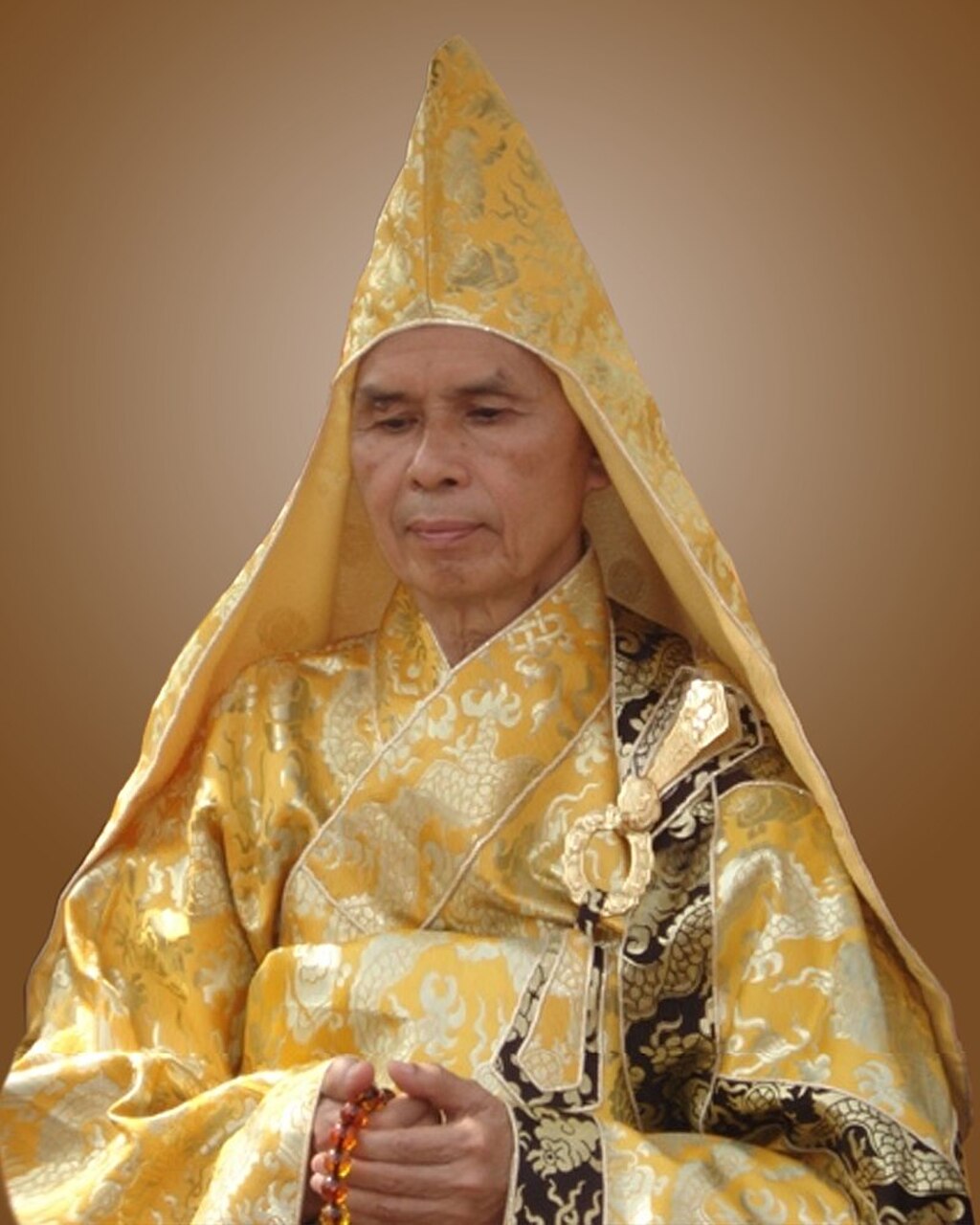
The Call to Engage: Mindfulness in Action
Thich Nhat Hanh's assertion that "mindfulness must be engaged" invites us to consider the active dimension of mindfulness, urging us to move beyond mere awareness into a realm of purposeful action. This statement challenges the common perception of mindfulness as a passive state of being, instead framing it as a dynamic practice that requires our full participation in the world around us. In a time when distractions abound and the pace of life accelerates, this teaching serves as a vital reminder of the importance of intentional engagement with our thoughts, feelings, and the environment.
To engage mindfully is to recognize that awareness alone is insufficient; it must be coupled with action that reflects our values and intentions. This engagement is not merely about doing more but about doing with presence and purpose. It calls us to cultivate a deeper connection with ourselves and others, transforming our mindfulness practice into a vehicle for compassion, understanding, and social responsibility. In this light, Thich Nhat Hanh's words resonate as a profound invitation to embody mindfulness in every aspect of our lives.
The image / the metaphor
The phrase "mindfulness must be engaged" conjures an image of mindfulness as a living, breathing entity that requires our active participation. The verb "engaged" suggests a relationship, an interaction that goes beyond observation. It evokes a sense of urgency and responsibility, as if mindfulness is not a passive state to be achieved but a call to action that demands our involvement. This imagery invites us to visualize mindfulness as a bridge connecting our inner awareness with the outer world, where our thoughts and actions can harmoniously align.
Diving deeper into the metaphor, we can see that engagement implies a commitment to the present moment, where awareness transforms into meaningful action. It suggests that mindfulness is not an isolated practice but rather a communal experience that influences our relationships and the world around us. This understanding encourages us to see mindfulness as a catalyst for change, prompting us to act with intention and compassion in our daily lives. In this way, the metaphor of engagement becomes a powerful reminder that our mindfulness practice can lead to tangible outcomes, shaping not only our inner landscape but also the world we inhabit.
In the speaker's tradition
Thich Nhat Hanh's teachings are deeply rooted in the Buddhist tradition, where concepts such as dharma and prajna illuminate the path toward enlightenment. In Buddhism, mindfulness is often linked to the practice of the Eightfold Path, which emphasizes right action and right livelihood as essential components of a mindful life. This engagement with the world is not merely a personal endeavor; it is a collective responsibility that reflects the interconnectedness of all beings, a core tenet of Hanh's teachings. By engaging mindfully, we embody the principles of compassion and wisdom that are central to the Buddhist path.
In "The Heart of the Buddha's Teaching," Thich Nhat Hanh emphasizes the importance of understanding suffering and the role of mindfulness in alleviating it. He draws upon the concept of sunyata, or emptiness, which teaches us that our perceptions and actions are interdependent. This understanding encourages us to engage with the world not from a place of separation but from a recognition of our shared humanity. By embodying mindfulness in our actions, we contribute to the alleviation of suffering, both for ourselves and for others, thus fulfilling the essence of the dharma.
Living the teaching
Consider a modern scenario where this teaching of engaged mindfulness can be applied: imagine a busy workplace where stress and deadlines often overshadow the well-being of employees. In such an environment, practicing engaged mindfulness could mean taking a moment to pause, breathe, and truly listen to a colleague's concerns. This simple act of presence can foster a culture of empathy and support, transforming the workplace into a space where individuals feel valued and understood. By engaging mindfully, we not only enhance our own experience but also contribute positively to the collective atmosphere.
Another application of this teaching can be found in personal relationships, particularly during conflicts. When faced with a disagreement, engaging mindfully means stepping back to observe our reactions and emotions without judgment. Instead of reacting impulsively, we can choose to respond with compassion and understanding, seeking to understand the other person's perspective. This practice of engaged mindfulness can lead to deeper connections and resolutions that honor both parties, illustrating how mindfulness can transform not only our internal states but also our interactions with others.
A reflection
As we contemplate Thich Nhat Hanh's assertion that "mindfulness must be engaged," we are invited to reflect on our own lives: in what areas are we merely observing rather than actively participating? This question encourages us to examine our daily practices, relationships, and responsibilities, prompting us to consider how we can embody mindfulness in a more engaged way. By embracing this challenge, we open ourselves to the possibility of transformation, both within ourselves and in the world around us.




Join the BrightStar Community
Stay connected with daily inspiration, event announcements, and community wisdom