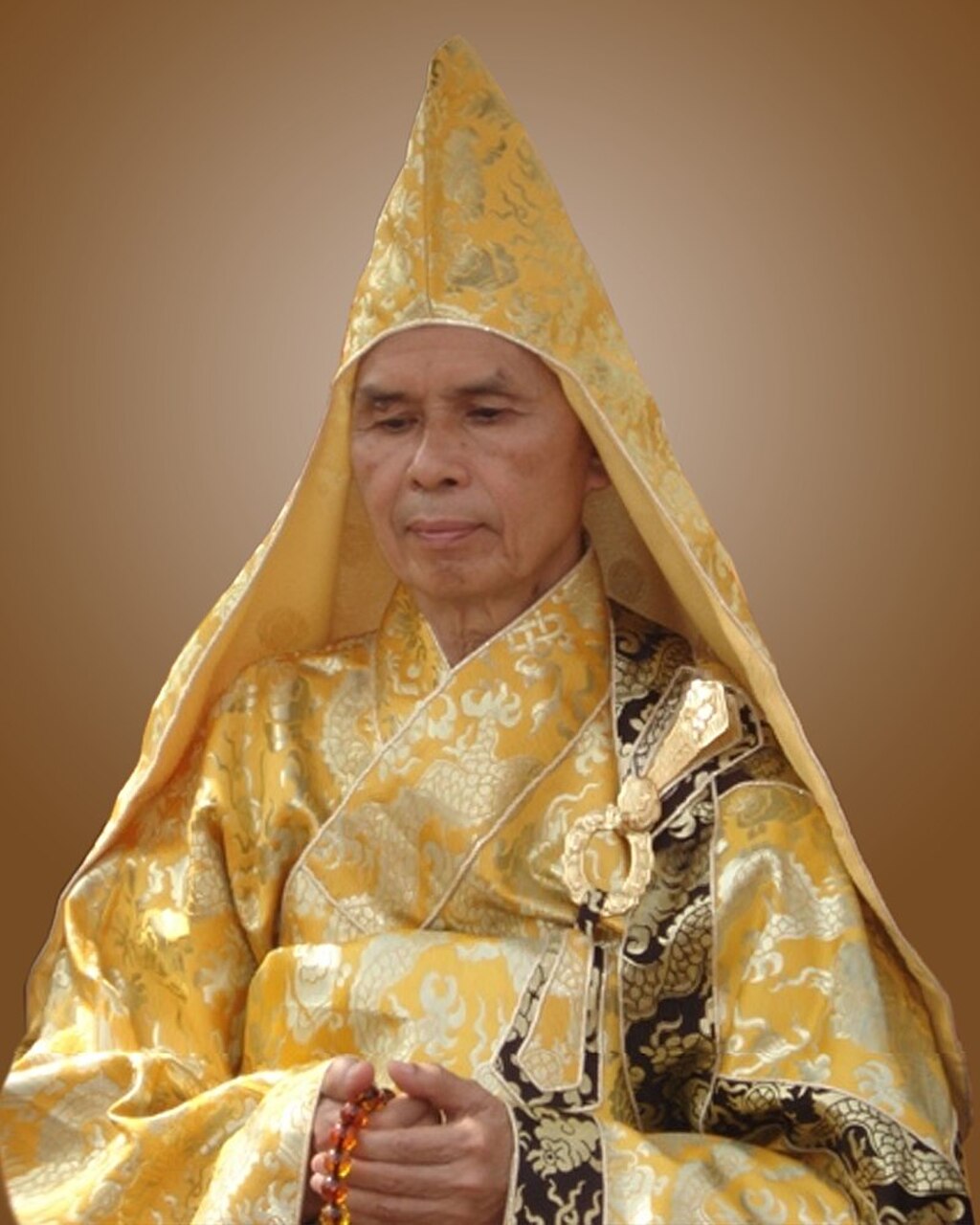
From Darkness to Bloom: The Wisdom of Transformation
The phrase "No mud, no lotus," articulated by Thich Nhat Hanh, encapsulates a profound truth about the nature of existence and transformation. It suggests that the beauty of the lotus flower, which rises from the murky depths of mud, is only possible through the very conditions that seem undesirable. This insight invites us to reflect on our own lives, where moments of struggle and suffering often precede growth and enlightenment. Recognizing this connection can help us embrace our challenges as essential components of our spiritual journey.
In a world that often prioritizes comfort and ease, Thich Nhat Hanh's quote serves as a gentle reminder that adversity can be a fertile ground for personal and spiritual development. The lotus, a symbol of purity and enlightenment in Buddhist tradition, emerges from the mud, suggesting that our own trials can lead to profound insights and transformation. By understanding and accepting the interplay between suffering and beauty, we can cultivate resilience and a deeper appreciation for the complexities of life.
The image / the metaphor
The imagery of mud and lotus is rich and evocative, inviting us to visualize the contrasting elements of our experiences. Mud, often associated with dirtiness and unpleasantness, represents the struggles, pain, and challenges we face in life. In contrast, the lotus flower, with its delicate petals and vibrant colors, symbolizes beauty, purity, and spiritual awakening. The verbs chosen in this phrase—"no" and "no"—emphasize the necessity of one element for the existence of the other, creating a powerful dichotomy that reflects the dual nature of our experiences.
In the speaker's tradition
Thich Nhat Hanh's teaching is deeply rooted in the Buddhist tradition, which emphasizes the interconnectedness of all things and the importance of understanding suffering as a pathway to enlightenment. Concepts such as dharma, the teachings of the Buddha, and sunyata, or emptiness, resonate with the idea that our experiences, both joyful and painful, are integral to our spiritual journey. The notion of kenosis, or self-emptying, also parallels this teaching, suggesting that by letting go of our attachments to comfort and ease, we open ourselves to deeper insights and growth.
In his work, Thich Nhat Hanh often references the Four Noble Truths, which articulate the nature of suffering and the path to liberation. The first truth acknowledges the reality of suffering, while the second identifies its causes, often rooted in our desires and attachments. By recognizing that our struggles are not separate from our spiritual path, we can begin to cultivate a sense of compassion for ourselves and others, understanding that we are all navigating our own mud in search of our lotus.
Living the teaching
Consider a modern scenario where this teaching resonates: a person facing job loss. Initially, the experience may feel like a descent into mud—filled with anxiety, uncertainty, and self-doubt. However, as time passes, this individual may discover new opportunities for growth, perhaps pursuing a passion that had long been neglected or developing new skills that lead to a more fulfilling career. In this way, the mud of job loss becomes a fertile ground for transformation, ultimately leading to a more authentic and satisfying life.
In the realm of relationships, the teaching can also be applied. Imagine a couple navigating a difficult period marked by misunderstandings and conflict. While the mud of their struggles may feel overwhelming, it can also serve as a catalyst for deeper communication and understanding. By confronting their challenges together, they may emerge with a stronger bond, having cultivated empathy and resilience through their shared experience. This illustrates how the mud of relational difficulties can lead to the blossoming of a more profound connection.
A reflection
As we contemplate the wisdom of "No mud, no lotus," we are invited to reflect on our own lives and the challenges we face. What aspects of your life currently feel like mud? How might these experiences be nurturing your growth and transformation? By engaging with these questions, we can begin to shift our perspective, recognizing that our struggles are not merely obstacles but essential components of our journey toward enlightenment and beauty.




Join the BrightStar Community
Stay connected with daily inspiration, event announcements, and community wisdom