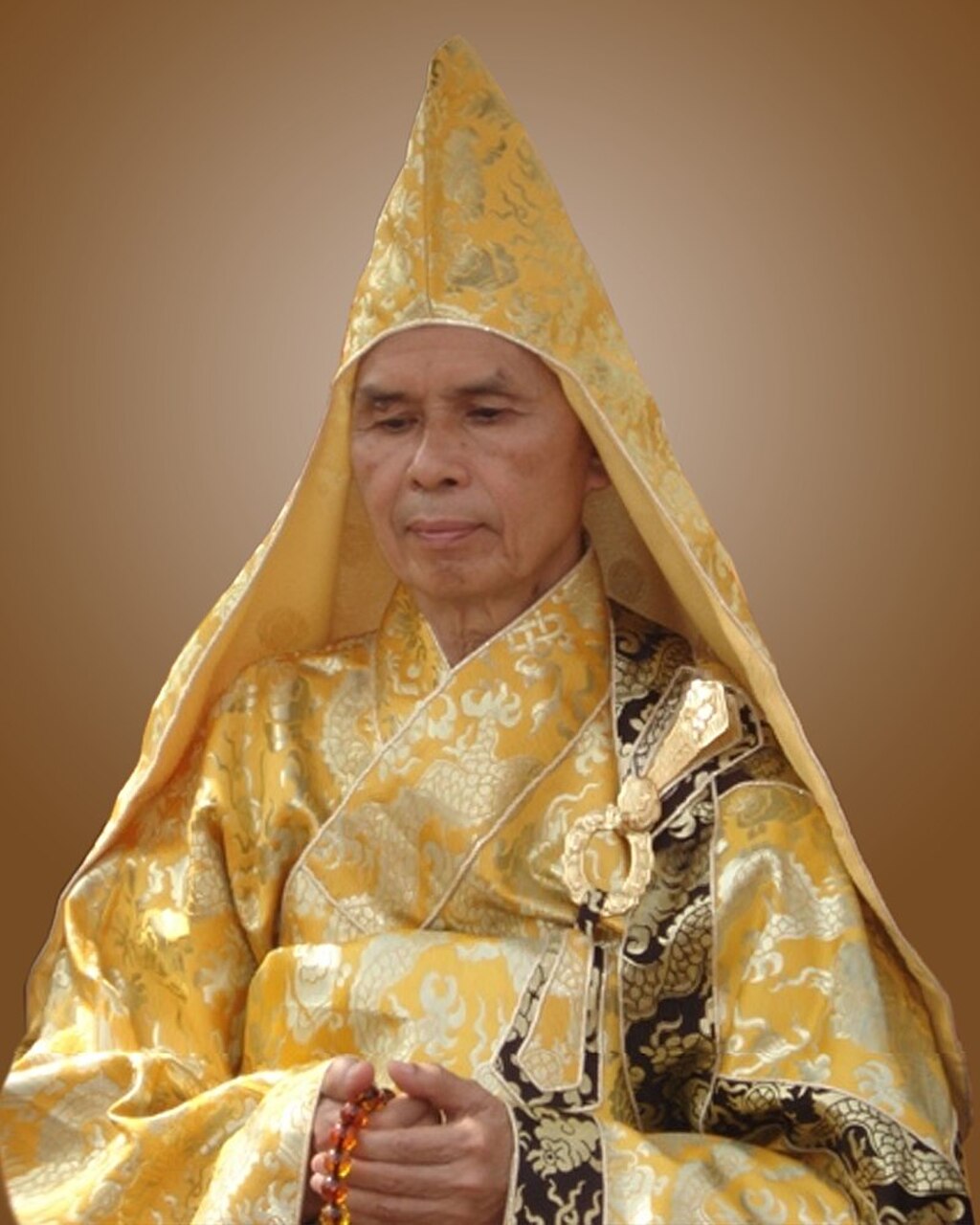
The Transformative Power of a Simple Smile
Thich Nhat Hanh invites us to consider the profound simplicity of a smile, suggesting that it serves as a fundamental form of meditation and yoga. In this assertion, he emphasizes that the act of smiling transcends mere facial expression; it embodies a deeper state of awareness and presence. This perspective challenges us to recognize the potential for mindfulness in our everyday interactions, urging us to cultivate joy and peace through such a simple yet powerful gesture.
In a world often characterized by stress and distraction, the notion that a smile can serve as a gateway to meditation is both refreshing and vital. It beckons us to explore how this seemingly trivial act can ground us in the present moment, fostering a sense of connection with ourselves and others. By framing the smile as a form of yoga, Thich Nhat Hanh encourages us to embrace the idea that our physical expressions can be intertwined with our spiritual practices, ultimately leading to a more harmonious existence.
The image / the metaphor
At its core, the quote evokes a vivid image of a smile as a bridge between the inner and outer worlds. The choice of the word "smile" conjures a sense of warmth and openness, while the verbs "meditation" and "yoga" suggest a dynamic process of engagement with life. This imagery invites us to feel the lightness that a smile can bring, not only to ourselves but also to those around us, creating ripples of positivity that can transform our environment.
Diving deeper into the metaphor, we can see that a smile is not merely a physical action; it is a manifestation of our inner state. When we smile, we are often expressing a moment of joy, acceptance, or compassion. In this way, the smile becomes a form of meditation, allowing us to center ourselves and connect with the present moment. It serves as a reminder that our emotional and spiritual well-being can be cultivated through the simplest of actions, encouraging us to embody mindfulness in our daily lives.
In the speaker's tradition
Thich Nhat Hanh's teachings are deeply rooted in the Buddhist tradition, where concepts such as mindfulness (sati) and interbeing play a crucial role. The idea of a smile as a form of meditation aligns with the Buddhist practice of being fully present and aware in each moment. This perspective resonates with the notion of kenosis, or self-emptying, where one lets go of ego and embraces the interconnectedness of all beings. In this light, a smile can be seen as an expression of compassion and understanding, reflecting the essence of the dharma.
In his seminal work, "The Miracle of Mindfulness," Thich Nhat Hanh elaborates on the importance of being present in our actions, suggesting that even the simplest tasks can become opportunities for mindfulness. He writes about how washing dishes can be a meditative practice when done with full awareness. Similarly, a smile, when offered with genuine presence, becomes a powerful tool for cultivating joy and connection, embodying the teachings of mindfulness and compassion found throughout Buddhist texts.
Living the teaching
Consider a modern scenario where the teaching of smiling as meditation can be applied: imagine walking through a bustling city street, surrounded by hurried commuters. In this environment, a simple smile exchanged with a stranger can create a moment of shared humanity, breaking through the barriers of isolation and disconnection. This small act not only uplifts the spirits of both individuals but also serves as a reminder of the power of presence and kindness in our daily interactions.
In a more intimate context, think about a challenging moment in a relationship, perhaps during a disagreement. Instead of allowing frustration to escalate, taking a moment to pause and share a smile can diffuse tension and invite a more compassionate dialogue. This practice of smiling, even in difficult situations, reinforces the idea that we can choose to respond with love and understanding, transforming conflict into an opportunity for deeper connection and healing.
A reflection
As we contemplate Thich Nhat Hanh's assertion that "the smile is the most basic kind of meditation," we are invited to reflect on our own relationship with this simple gesture. How often do we allow ourselves to smile, both at ourselves and at others? In what ways can we integrate the practice of smiling into our daily lives to foster a greater sense of mindfulness and connection? These questions encourage us to explore the transformative potential of our expressions, reminding us that even the smallest actions can lead to profound shifts in our awareness and interactions.




Join the BrightStar Community
Stay connected with daily inspiration, event announcements, and community wisdom