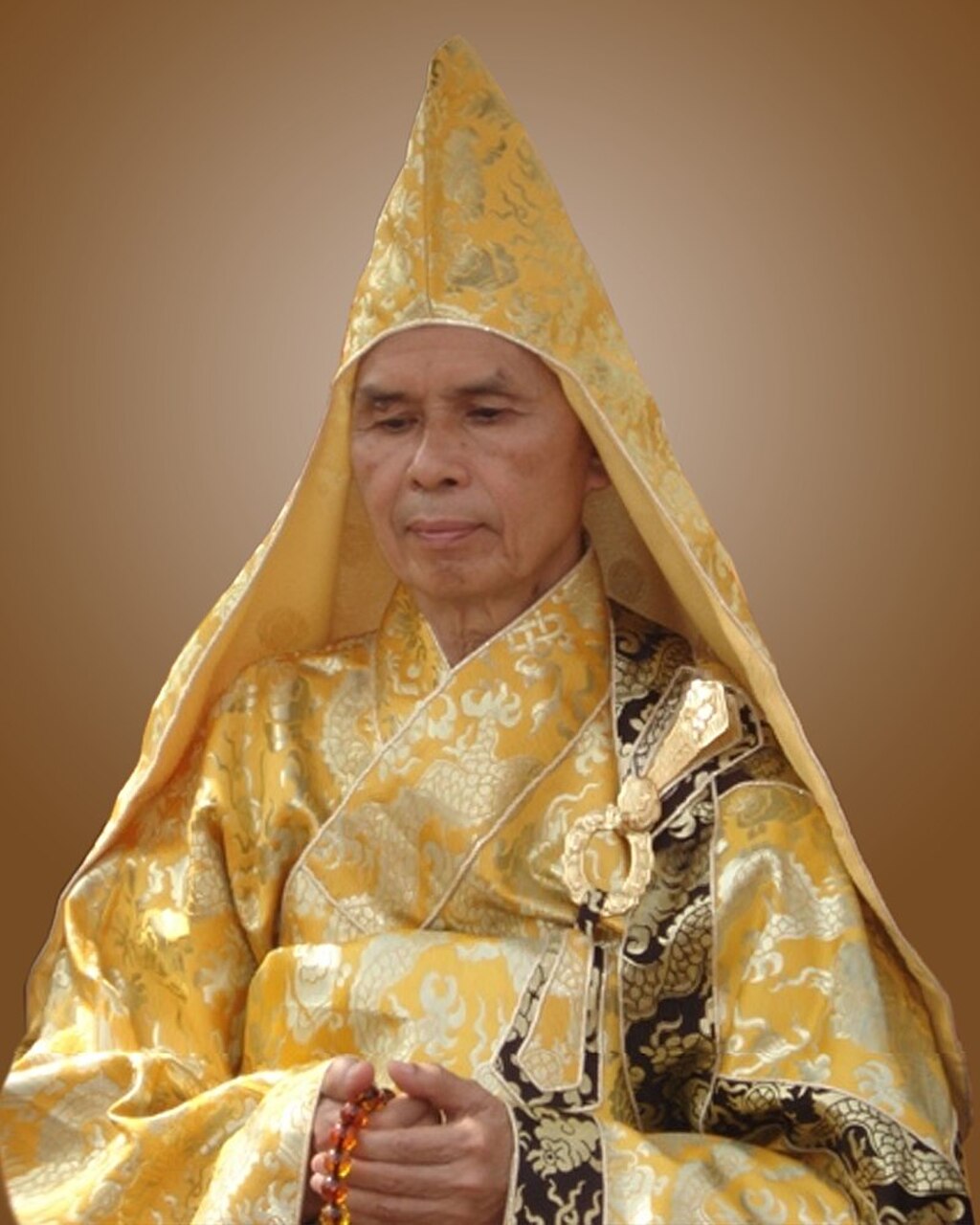
The Duality of Existence: Embracing Suffering and Wonder
Thich Nhat Hanh's poignant assertion, "Suffering is not enough. Life is also wonderful," invites us to recognize the dual nature of our existence. In a world often overshadowed by pain and hardship, this quote serves as a gentle reminder that beauty and joy coexist alongside suffering. It challenges us to cultivate a balanced perspective, acknowledging that while suffering is an undeniable part of life, it does not define the entirety of our experience. This understanding is crucial for personal growth and spiritual development, as it encourages us to seek out the wonder that life has to offer.
Delving deeper into this sentiment, we find that Hanh's words resonate with the essence of mindfulness and presence. To fully appreciate the wonders of life, we must first confront and embrace our suffering. This interplay between suffering and joy is not merely a philosophical concept; it is a lived experience that shapes our understanding of reality. By recognizing both aspects, we can cultivate a more profound sense of gratitude and awareness, allowing us to navigate life's complexities with grace and resilience.
The image / the metaphor
The imagery within Hanh's quote evokes a landscape where suffering and wonder coexist, much like the contrasting elements of a vibrant garden. The verb "is" suggests a state of being, indicating that both suffering and wonder are integral to our existence. This duality creates a rich tapestry of experiences, where each thread—whether painful or joyful—contributes to the overall beauty of life. The felt sense of this quote invites us to explore the depths of our emotions, acknowledging that suffering can lead us to moments of profound insight and appreciation.
In the speaker's tradition
Thich Nhat Hanh's teachings are deeply rooted in the Buddhist tradition, where the concepts of suffering and joy are intricately woven into the fabric of existence. Central to this tradition is the notion of dukkha, often translated as suffering or unsatisfactoriness, which acknowledges that life is inherently filled with challenges. However, Buddhism also emphasizes the importance of awakening to the present moment, a practice that allows us to recognize the beauty and wonder that exists alongside our suffering. This balance is essential for cultivating a sense of equanimity and compassion, both for ourselves and others.
In his seminal work, "Peace Is Every Step," Hanh draws upon the teachings of the Buddha, particularly the Four Noble Truths, which outline the nature of suffering and the path to liberation. By understanding that suffering is a universal experience, we can cultivate empathy and connection with others, recognizing that we are all part of the same human journey. This interconnectedness invites us to embrace both our suffering and the wonder of life, fostering a deeper appreciation for the richness of our shared existence.
Living the teaching
Consider a modern scenario where this teaching resonates: a person navigating the challenges of a demanding job. The stress and pressure may lead to feelings of frustration and despair, yet within this struggle lies an opportunity for growth and self-discovery. By acknowledging the suffering inherent in their work, they can also begin to notice the moments of joy—a supportive colleague, a sense of accomplishment, or the beauty of a sunset after a long day. This awareness allows them to cultivate resilience and gratitude, transforming their experience from one of mere survival to one of appreciation for the complexity of life.
In the context of relationships, Hanh's teaching can also be profoundly impactful. Imagine a couple facing a difficult period marked by misunderstandings and conflict. By recognizing that suffering is a natural part of their journey together, they can approach their challenges with compassion and openness. This perspective allows them to not only address their issues but also to celebrate the moments of connection and joy that arise amidst the struggle. In doing so, they create a deeper bond, rooted in the understanding that both suffering and wonder are essential to their shared experience.
A reflection
As we contemplate Thich Nhat Hanh's wisdom, we are invited to reflect on our own lives: How can we embrace both suffering and wonder in our daily experiences? This question encourages us to explore the duality of our existence, recognizing that each moment holds the potential for growth and appreciation. By cultivating this awareness, we can navigate the complexities of life with a sense of balance, allowing both suffering and wonder to inform our journey.




Join the BrightStar Community
Stay connected with daily inspiration, event announcements, and community wisdom