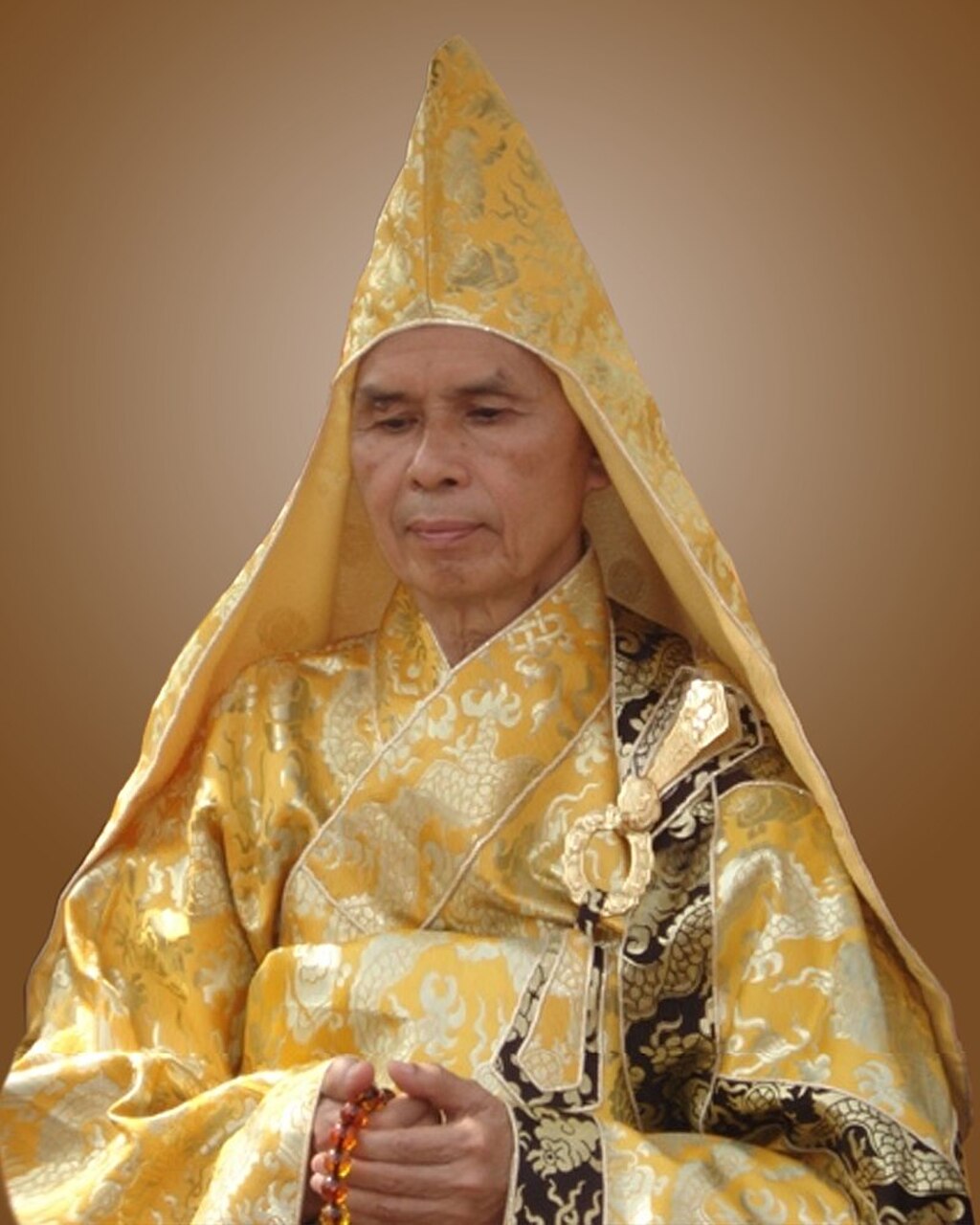
The Doorway to Joy: Embracing Suffering as a Pathway
Thich Nhat Hanh's assertion that "suffering is not the absence of joy; it is the doorway to joy" invites us to reconsider our relationship with pain and hardship. Rather than viewing suffering as a mere obstacle to happiness, he encourages us to see it as an essential part of our journey toward joy. This perspective is vital in a world that often promotes the pursuit of pleasure while shunning discomfort. Understanding this transformative potential of suffering can lead to a more profound, resilient sense of joy that is rooted in the fullness of our human experience.
In a culture that frequently equates joy with the absence of suffering, Thich Nhat Hanh's wisdom serves as a radical reminder. He invites us to embrace the complexities of life, suggesting that joy and suffering are not opposing forces but rather intertwined aspects of our existence. By acknowledging and accepting our suffering, we can cultivate a deeper appreciation for joy, allowing it to emerge more authentically in our lives. This teaching not only reshapes our understanding of happiness but also encourages a compassionate engagement with our own pain and the pain of others.
The image / the metaphor
The imagery in Thich Nhat Hanh's quote evokes a powerful metaphorical landscape. The notion of suffering as a "doorway" suggests an entrance into a new realm of understanding and experience. It implies that suffering is not a dead end but rather a passage that leads us to something greater. The verbs chosen—"is" and "doorway"—imply a sense of immediacy and presence, urging us to recognize suffering as an integral part of our journey rather than a mere inconvenience to be avoided.
Diving deeper into this metaphor, we can envision suffering as the fertile soil from which joy can grow. Just as a seed must break through the earth to reach the sunlight, we too must confront our suffering to access the light of joy. This process of transformation is not instantaneous; it requires patience, nurturing, and a willingness to engage with the darker aspects of our lives. In this way, suffering becomes a teacher, guiding us toward a more profound understanding of ourselves and the world around us.
In the speaker's tradition
Thich Nhat Hanh's teachings are deeply rooted in Buddhist philosophy, particularly the concepts of impermanence and interdependence. In Buddhism, suffering (dukkha) is recognized as an inherent part of life, and the path to liberation involves understanding and embracing this reality. The practice of mindfulness, a cornerstone of Hanh's teachings, encourages us to be present with our suffering, allowing it to inform our experience rather than define it. This approach aligns with the Buddhist concept of sunyata, or emptiness, which teaches that our perceptions of suffering and joy are often conditioned by our attachments and aversions.
In his book "No Mud, No Lotus," Hanh draws parallels between the natural world and our emotional landscapes. Just as the lotus flower blooms beautifully from the mud, our capacity for joy can emerge from the depths of our suffering. This metaphor resonates with the Buddhist understanding of transformation through suffering, echoing the teachings found in the Four Noble Truths, which outline the nature of suffering and the path to its cessation. By embracing our suffering, we can cultivate a deeper sense of compassion and understanding, both for ourselves and for others.
Living the teaching
Consider a modern scenario where this teaching might resonate: a person grappling with the loss of a loved one. Initially, the experience of grief can feel overwhelming, as if joy has been stripped away. However, as they navigate their sorrow, they may begin to uncover moments of connection and love that remind them of the joy their loved one brought into their life. This journey through suffering can ultimately lead to a richer, more nuanced appreciation of joy, transforming the way they remember and honor their loved one.
A reflection
As we contemplate Thich Nhat Hanh's profound insight, we are invited to reflect on our own experiences of suffering and joy. How might we reframe our understanding of pain as a necessary part of our journey toward joy? In what ways can we embrace our suffering, allowing it to guide us toward a deeper appreciation of the beauty and complexity of life? This contemplation can serve as a powerful reminder that joy is not merely the absence of suffering but rather a rich tapestry woven from the threads of our experiences.




Join the BrightStar Community
Stay connected with daily inspiration, event announcements, and community wisdom