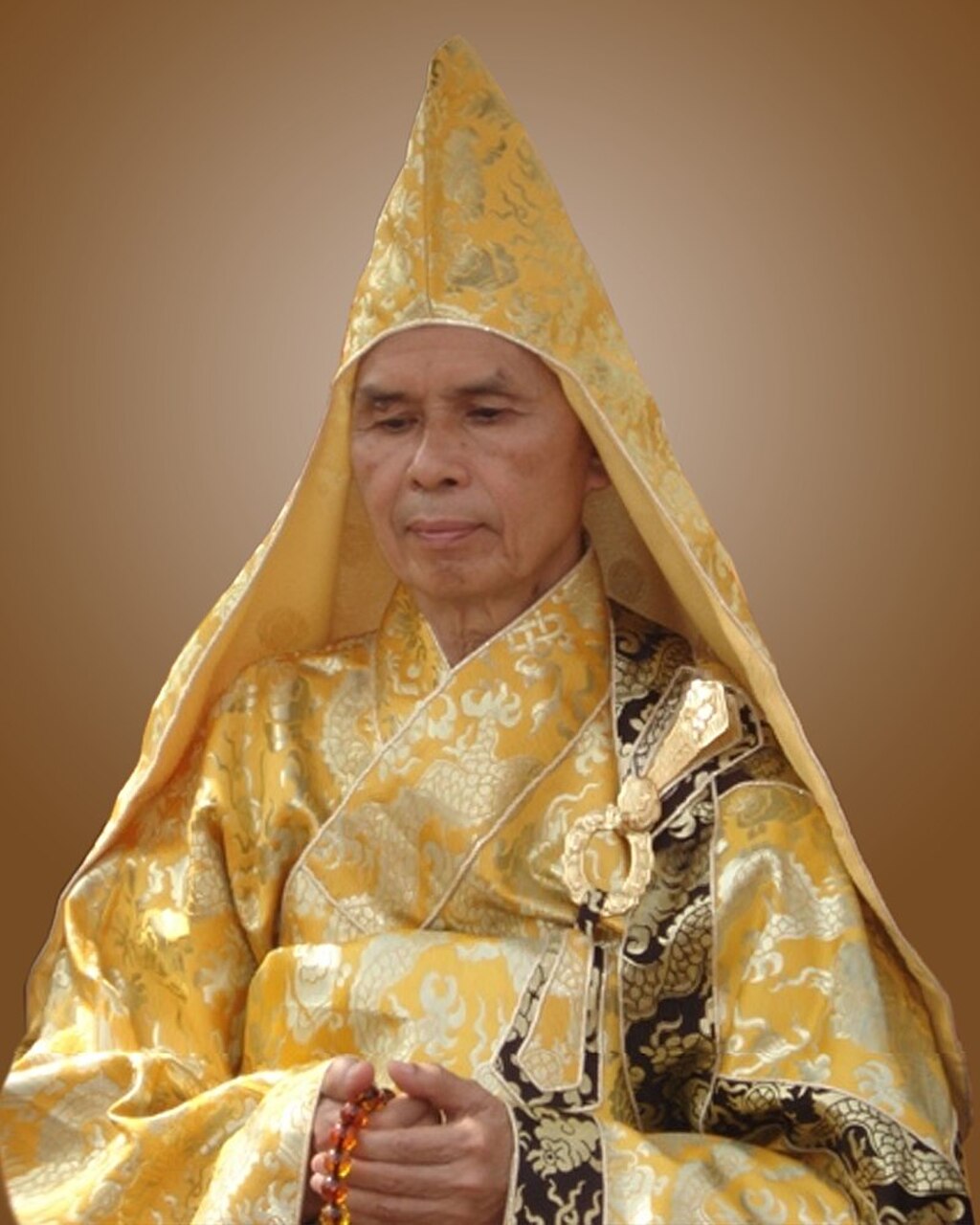
Finding Peace Amidst the Mind's Wanderings
Thich Nhat Hanh's poignant observation, "The mind can go in a thousand directions, but on this beautiful path, I walk in peace," invites us to reflect on the tumultuous nature of our thoughts and the serene potential of mindful practice. In a world where distractions abound and our minds often race with worries and desires, this quote serves as a gentle reminder of the possibility of inner tranquility. It beckons us to consider how we might cultivate a sense of peace amidst the chaos of our mental landscapes.
As we delve deeper into this quote, we recognize the duality of the mind's activity and the peace that can be found through intentional practice. The phrase "this beautiful path" suggests that there is a deliberate choice involved in how we navigate our thoughts and emotions. It challenges us to explore what it means to walk a path of peace, especially when the mind is prone to wander. This exploration is not merely an intellectual exercise; it is an invitation to embody a way of being that harmonizes our inner world with the outer reality.
The image / the metaphor
The imagery in Thich Nhat Hanh's quote evokes a vivid contrast between the restless mind and the tranquil path. The mind, described as capable of "a thousand directions," conjures a sense of chaos and fragmentation, where thoughts flit from one concern to another, often leading to anxiety and distraction. In contrast, the "beautiful path" symbolizes a grounded, intentional way of living that fosters peace and clarity. The verbs "can go" and "walk" highlight the active choice involved in our mental and spiritual journeys, suggesting that while our thoughts may scatter, we have the agency to choose a path that leads us toward serenity.
Diving deeper into the metaphor, we can see that the "beautiful path" represents not just a physical journey but a spiritual one. It embodies the practice of mindfulness, where each step taken is infused with awareness and presence. This path is not always easy to tread; it requires commitment and the willingness to return to the present moment, even when the mind seeks to escape into the past or future. The beauty of this path lies in its simplicity and accessibility, inviting us to find peace in the here and now, regardless of the mental distractions that may arise.
In the speaker's tradition
Thich Nhat Hanh's teachings are deeply rooted in the Buddhist tradition, where concepts such as mindfulness (sati) and the nature of the mind are central to spiritual practice. The idea of walking a "beautiful path" resonates with the Buddhist understanding of the Eightfold Path, which emphasizes right intention, right action, and right mindfulness as essential components of a peaceful life. This path is not merely a set of guidelines but a lived experience that cultivates awareness and compassion, allowing practitioners to navigate the complexities of life with grace.
In his book "Peace Is Every Step," Thich Nhat Hanh draws upon the concept of interbeing, which suggests that all things are interconnected and that our thoughts and actions have profound implications for our well-being. This interconnectedness invites us to recognize that the peace we seek is not separate from the world around us; rather, it is found in our relationships and interactions. By embracing this understanding, we can cultivate a sense of peace that transcends the mind's distractions, allowing us to walk the beautiful path with a heart full of compassion.
Living the teaching
Consider a modern scenario where this teaching might resonate: a busy professional navigating the demands of work and family life. In the midst of deadlines and responsibilities, the mind may race with thoughts of what needs to be accomplished, leading to stress and anxiety. However, by consciously choosing to walk the beautiful path of mindfulness, this individual can pause, take a deep breath, and reconnect with the present moment. This simple act of grounding oneself can transform the experience of overwhelm into one of clarity and peace, allowing for more thoughtful responses to challenges.
In a different context, imagine a relationship strained by misunderstandings and unspoken grievances. Here, the practice of walking the beautiful path becomes an opportunity for healing. By cultivating mindfulness and compassion, individuals can approach each other with open hearts, choosing to listen deeply rather than react impulsively. This shift in awareness not only fosters peace within but also nurtures the relationship, creating a space where both parties can express themselves authentically and find common ground.
A reflection
As we contemplate Thich Nhat Hanh's wisdom, we are invited to consider how we might walk our own beautiful paths amidst the distractions of daily life. What practices can we incorporate to cultivate peace within ourselves, even when our minds are tempted to wander? Reflecting on this question can lead us to discover the transformative power of mindfulness, allowing us to embrace each moment with a sense of serenity and purpose.




Join the BrightStar Community
Stay connected with daily inspiration, event announcements, and community wisdom