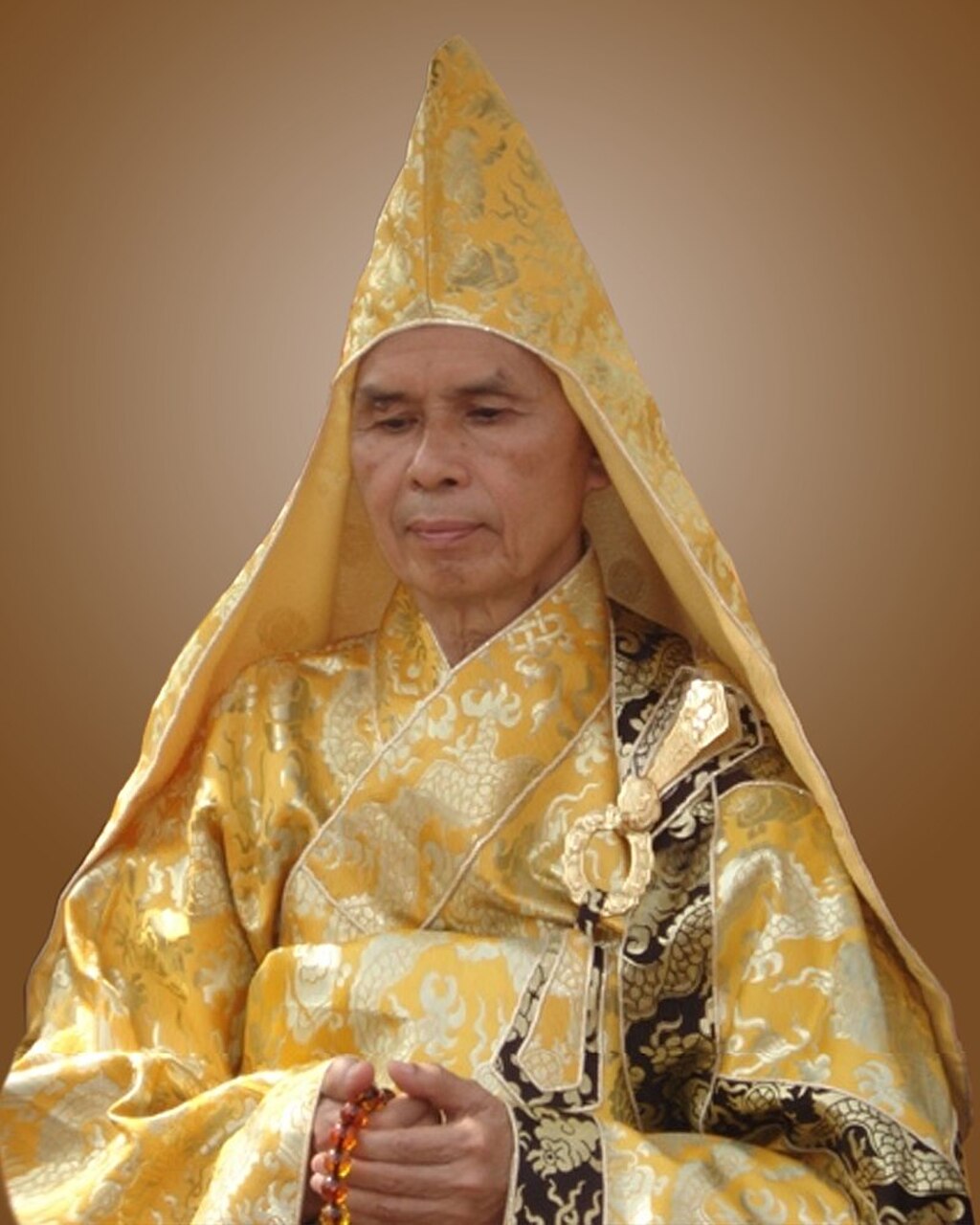
The Joy of Now: Embracing the Present Moment
Thich Nhat Hanh invites us to recognize that the present moment is a reservoir of joy and happiness, waiting to be discovered through our attentive awareness. He suggests that our ability to experience this joy hinges on our capacity to be present, to truly engage with the here and now. In a world often preoccupied with past regrets or future anxieties, this teaching serves as a gentle reminder of the richness available to us in each fleeting moment. The stakes are high; our well-being and peace of mind depend on our ability to cultivate this awareness.
In a society that often glorifies busyness and distraction, Hanh's assertion challenges us to pause and reflect on the nature of our existence. The present moment, he suggests, is not merely a point in time but a vibrant tapestry woven with the threads of our experiences, emotions, and sensations. By honing our attention, we can uncover layers of joy that are often obscured by our habitual patterns of thought. This teaching beckons us to shift our focus from the external chaos to the internal serenity that resides within us, waiting to be acknowledged.
The image / the metaphor
The imagery in Hanh's quote evokes a sense of immediacy and intimacy with the present. The phrase "filled with joy and happiness" suggests a bountiful landscape, rich with potential and beauty, while the call to be "attentive" implies an active engagement with our surroundings. The verbs chosen—filled, see—invite us to not only recognize but also to actively participate in the unfolding of our experiences. This is not a passive observation; it is an invitation to immerse ourselves fully in the moment, to savor the sweetness that life offers.
In the speaker's tradition
Thich Nhat Hanh's teachings are deeply rooted in the Buddhist tradition, where concepts such as mindfulness (sati) and the nature of suffering (dukkha) play pivotal roles. The idea of being present aligns with the dharma, the path of practice that leads to enlightenment. In Buddhism, the present moment is often viewed as the only reality we can truly experience, as the past is gone and the future is yet to come. This understanding invites us to cultivate a state of kenosis, or self-emptying, allowing us to let go of distractions and fully engage with the now.
In his seminal work, "Peace Is Every Step," Hanh draws upon the teachings of the Buddha, emphasizing that true happiness arises from our ability to be present and aware. This echoes the concept of sunyata, or emptiness, which teaches that our perceptions and attachments often cloud our ability to experience joy. By releasing these attachments and embracing the present, we can access a profound sense of peace and fulfillment, a theme that resonates throughout Buddhist literature.
Living the teaching
Consider a modern scenario where this teaching can be applied: a busy morning commute. Many of us rush through this daily ritual, consumed by thoughts of the day ahead, the tasks to be completed, or the worries that linger from yesterday. However, if we pause to breathe and observe our surroundings, we might notice the beauty of the sunrise, the laughter of fellow commuters, or the simple act of our own breath. By cultivating attention in this moment, we can transform a mundane experience into a source of joy and connection.
In relationships, this teaching can also find fertile ground. Imagine a moment of conflict with a loved one, where emotions run high and communication falters. By practicing mindfulness and being fully present, we can listen deeply, allowing ourselves to understand the other person's perspective without judgment. This attentiveness not only fosters compassion but also opens the door to healing and reconciliation, illustrating how the present moment can be a powerful catalyst for joy and connection.
A reflection
As we contemplate Thich Nhat Hanh's words, we are invited to reflect on our own relationship with the present moment. How often do we allow ourselves to be fully present, to experience the joy that is available to us right now? In what ways can we cultivate a deeper awareness in our daily lives, transforming ordinary moments into extraordinary experiences? Let this inquiry guide you as you navigate your journey towards a more mindful existence.




Join the BrightStar Community
Stay connected with daily inspiration, event announcements, and community wisdom