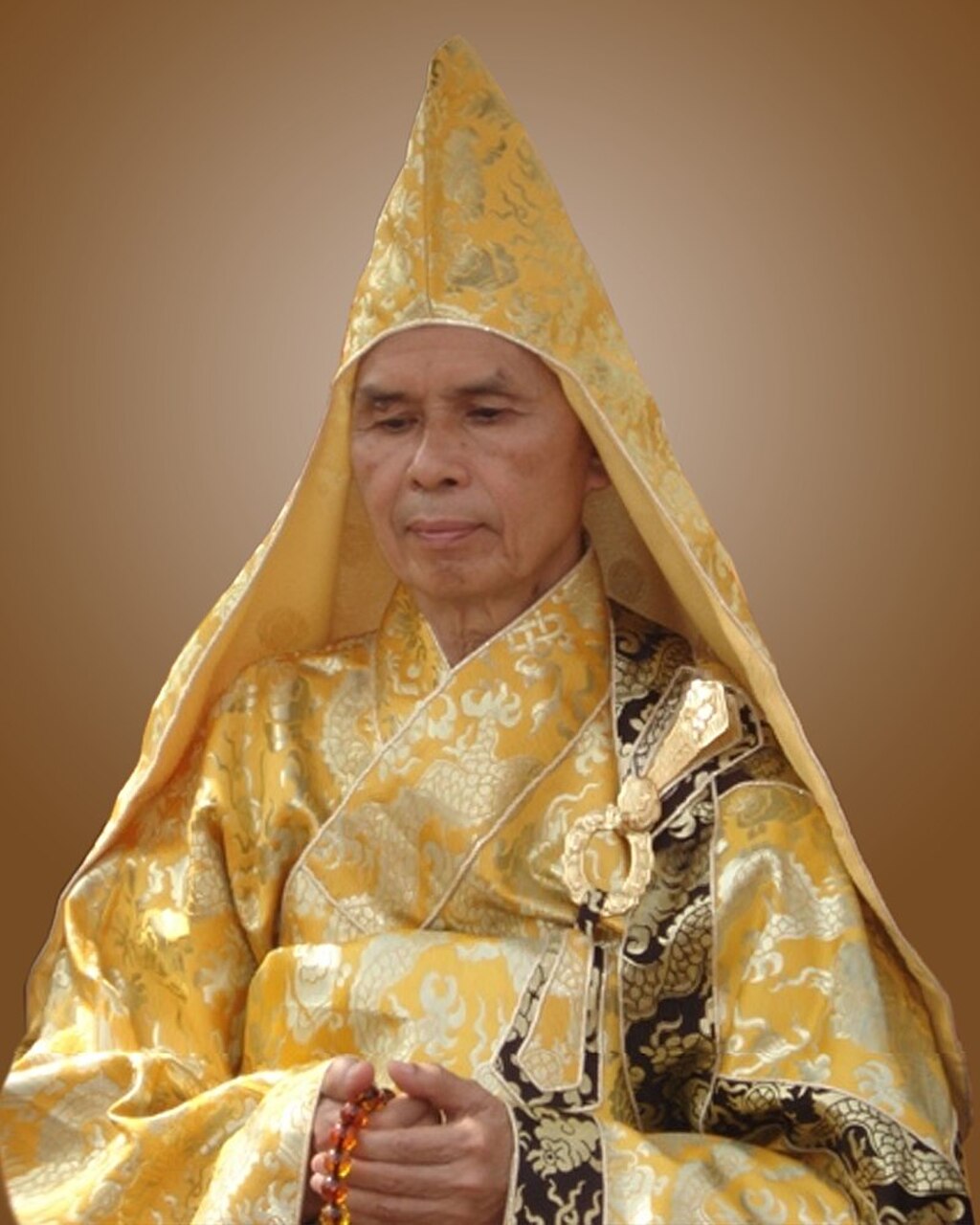
Embracing Happiness Amidst Suffering
Thich Nhat Hanh's poignant reminder that "the seed of suffering in you may be strong, but don't wait until you have no more suffering before allowing yourself to be happy" invites us to reconsider our relationship with joy and pain. This statement challenges the common belief that happiness is a distant goal, only attainable once we have resolved our inner turmoil. It emphasizes the importance of recognizing our suffering while simultaneously allowing ourselves to experience happiness, suggesting that these two states are not mutually exclusive but rather intertwined aspects of the human experience.
In a world that often equates happiness with the absence of suffering, Thich Nhat Hanh's wisdom serves as a gentle nudge towards a more nuanced understanding of our emotional landscape. This perspective encourages us to cultivate joy even in the midst of life's challenges, fostering resilience and a deeper appreciation for the present moment. By acknowledging our suffering without allowing it to dominate our existence, we can create space for happiness to flourish, ultimately leading to a more balanced and fulfilling life.
The image / the metaphor
The imagery in Thich Nhat Hanh's quote evokes the duality of existence, where suffering and happiness coexist like two sides of the same coin. The "seed of suffering" suggests that pain is an inherent part of our being, deeply rooted within us. The choice to embrace happiness, despite this suffering, is likened to nurturing a fragile plant that requires care and attention to thrive. The verbs "wait" and "allow" indicate an active engagement with our emotional states, urging us to take responsibility for our happiness rather than passively waiting for suffering to dissipate.
Diving deeper into the metaphor, we can see that the seed represents not just suffering but also the potential for growth and transformation. Just as a seed must be nurtured to blossom into a flower, our capacity for happiness must be cultivated amidst the challenges we face. This metaphor invites us to view our suffering not as a barrier to happiness but as a fertile ground from which joy can emerge. By tending to our emotional garden with mindfulness and compassion, we can foster a rich tapestry of experiences that includes both sorrow and delight.
In the speaker's tradition
Thich Nhat Hanh's teachings are deeply rooted in the Buddhist tradition, which emphasizes the interconnectedness of all experiences. Concepts such as dharma, the path of truth and righteousness, and sunyata, or emptiness, resonate with the idea that suffering and happiness are not fixed states but rather fluid experiences that inform one another. In Buddhism, the practice of mindfulness encourages us to be present with our suffering, allowing us to recognize its transient nature and the potential for joy that exists alongside it. This understanding aligns with the notion of kenosis, or self-emptying, where we let go of our attachments to suffering and open ourselves to the fullness of life.
In his book "No Mud, No Lotus," Thich Nhat Hanh draws parallels between the growth of a lotus flower and the human experience of suffering and happiness. Just as the lotus rises from the mud to bloom in beauty, our capacity for joy often emerges from the depths of our struggles. This metaphor serves as a powerful reminder that our suffering can be a catalyst for personal growth, leading us to a more profound understanding of ourselves and the world around us. The teachings of the Buddha encourage us to embrace this duality, recognizing that both suffering and happiness are integral to our journey toward enlightenment.
Living the teaching
Consider a modern scenario where this teaching resonates: a person grappling with the loss of a loved one. In the midst of their grief, they may feel that happiness is an unattainable luxury, something to be postponed until the pain subsides. However, Thich Nhat Hanh's wisdom encourages them to find moments of joy even within their sorrow—perhaps through cherished memories, the support of friends, or the beauty of nature. By allowing themselves to experience happiness alongside their grief, they can honor their loss while also embracing the richness of life.
This teaching can also be applied in the context of relationships. Imagine a couple facing challenges in their partnership, where misunderstandings and conflicts create a sense of suffering. Instead of waiting for these issues to be resolved before seeking happiness together, they can choose to cultivate joy in small, everyday moments—sharing laughter, engaging in meaningful conversations, or simply enjoying each other's company. By acknowledging their struggles while also prioritizing happiness, they create a resilient bond that can weather the storms of life.
A reflection
As we contemplate Thich Nhat Hanh's profound insight, we are invited to reflect on our own relationship with suffering and happiness. Are there areas in your life where you find yourself postponing joy until your challenges have been resolved? How might you begin to embrace happiness in the midst of your struggles, allowing both to coexist as integral parts of your journey? This contemplation opens the door to a deeper understanding of the human experience, encouraging us to cultivate a life rich with both joy and sorrow.




Join the BrightStar Community
Stay connected with daily inspiration, event announcements, and community wisdom