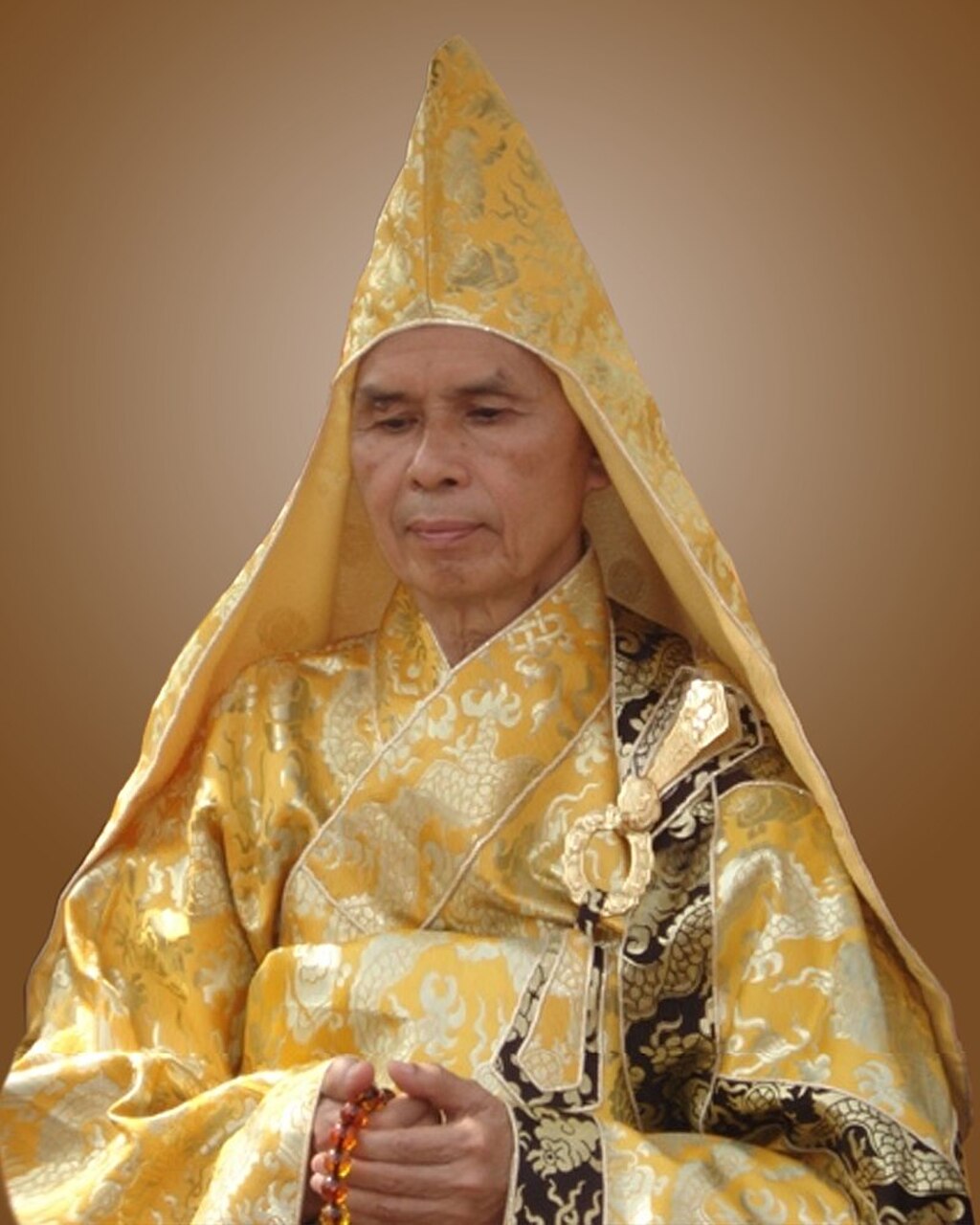
The Fullness of Emptiness: A Journey into Possibility
Thich Nhat Hanh's assertion that "emptiness is not nothingness; it is the fullness of all possibilities" invites us to reconsider our understanding of emptiness. In a world often characterized by materialism and distraction, this quote serves as a profound reminder that true richness lies not in accumulation but in the spaciousness of our consciousness. Emptiness, in this context, becomes a fertile ground for creativity, wisdom, and peace, challenging us to embrace the potential that arises when we let go of our attachments and preconceived notions.
To grasp the depth of this teaching, we must first recognize that emptiness is not a void to be feared but a canvas upon which life unfolds. It is a state of being that allows for the emergence of new ideas, relationships, and experiences. By understanding emptiness as a dynamic force rather than a static absence, we open ourselves to the myriad possibilities that life offers. This perspective not only enriches our personal journey but also fosters a sense of interconnectedness with all beings, reminding us that our existence is woven into the fabric of the universe.
The image / the metaphor
At first glance, the imagery of emptiness may evoke feelings of desolation or lack. However, Thich Nhat Hanh's choice of words—"fullness of all possibilities"—transforms this notion into something vibrant and alive. The verbs in his statement suggest an active engagement with life, where emptiness is not a passive state but a dynamic space filled with potential. This felt sense of emptiness invites us to explore the depths of our consciousness, where we can discover the richness that lies beneath the surface of our everyday experiences.
Diving deeper into the metaphor, we can envision emptiness as a vast ocean, where each wave represents a unique possibility waiting to be realized. Just as the ocean is not defined by any single wave, our lives are not confined to any one experience or identity. This understanding encourages us to embrace the fluidity of existence, recognizing that our true nature is not limited by our thoughts or circumstances. In this way, emptiness becomes a source of liberation, allowing us to navigate the complexities of life with grace and ease.
In the speaker's tradition
Thich Nhat Hanh's teachings are deeply rooted in the Zen tradition, where concepts such as sunyata (emptiness) and prajna (wisdom) play pivotal roles. In this context, emptiness is understood as the absence of inherent existence, a realization that frees us from the shackles of attachment and aversion. This non-dual perspective encourages practitioners to see beyond the illusions of separateness, fostering a sense of unity with all beings. The practice of mindfulness, central to Hanh's teachings, serves as a means to cultivate this awareness, allowing us to experience the fullness of life in each moment.
In his seminal work, "The Heart of Understanding," Hanh draws upon the teachings of the Heart Sutra, which famously states that "form is emptiness, and emptiness is form." This profound insight reveals the interdependence of all phenomena, suggesting that our perceptions of reality are shaped by our understanding of emptiness. By embracing this wisdom, we can transcend the dualistic thinking that often limits our experience, opening ourselves to the boundless possibilities that arise from a deeper awareness of our interconnectedness.
Living the teaching
Consider a modern scenario where this teaching can be applied: a professional facing burnout in a demanding job. The weight of expectations and responsibilities can create a sense of emptiness, leading to feelings of inadequacy and despair. However, by embracing the notion that emptiness is a space for potential, this individual can begin to explore new avenues for fulfillment. Instead of clinging to the identity of a 'successful professional,' they might find the courage to pursue a passion project or engage in self-care practices that nourish their spirit, ultimately transforming their experience of work into one of creativity and joy.
In the realm of relationships, the teaching of emptiness can also provide profound insights. Imagine a couple navigating a difficult moment, where misunderstandings and resentments have created emotional distance. By recognizing that their perceptions are shaped by attachment to their individual narratives, they can approach the situation with a sense of openness and curiosity. This shift allows them to create a space for honest communication, where both partners can express their feelings without fear of judgment. In this way, the fullness of possibilities inherent in emptiness can lead to deeper connection and understanding.
A reflection
As we contemplate Thich Nhat Hanh's profound statement, we are invited to explore our own relationship with emptiness. What does it mean for you to embrace the fullness of possibilities in your life? In moments of uncertainty or challenge, how might you shift your perspective to see emptiness as a source of potential rather than a void? Allow these questions to guide your reflection, opening your heart to the richness that lies within the space of emptiness.




Join the BrightStar Community
Stay connected with daily inspiration, event announcements, and community wisdom