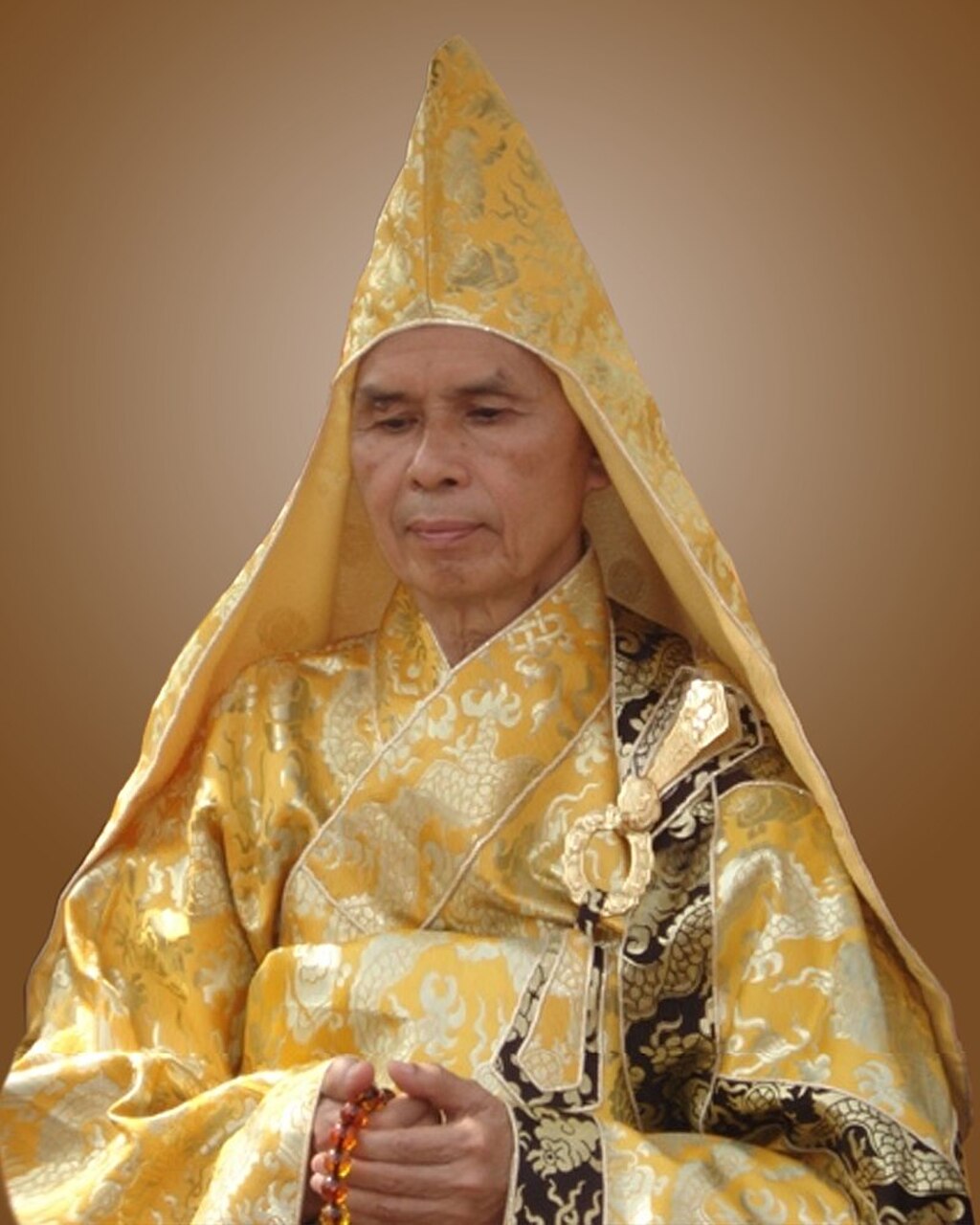
Awakening to Our True Nature: The Ocean and the Wave
Thich Nhat Hanh's profound assertion, "Enlightenment is when a wave realizes it is the ocean," invites us to explore the depths of our consciousness and the interconnectedness of all existence. This metaphor encapsulates the journey of awakening, where the individual self, often perceived as separate and isolated, comes to recognize its true nature as part of a greater whole. Understanding this relationship is not merely an intellectual exercise; it is a transformative realization that can shift our perception of self and reality, leading to profound peace and compassion.
In a world often dominated by the illusion of separateness, this teaching serves as a gentle reminder of our inherent unity. The wave, in its quest for identity, may feel distinct and alone, yet it is never separate from the ocean that cradles it. This realization is crucial in our pursuit of spiritual awakening, as it encourages us to dissolve the boundaries we create between ourselves and others, fostering a sense of belonging and interconnectedness that is essential for personal and collective healing.
The image / the metaphor
The imagery of a wave recognizing itself as the ocean is rich with meaning. The wave, a transient form, embodies the impermanence of our individual identities, while the ocean represents the vast, unchanging essence of existence. The verbs "realizes" and "is" suggest a moment of awakening, a shift in perception that transforms understanding from mere knowledge to lived experience. This moment of recognition is not just intellectual; it is a felt sense of belonging to something far greater than oneself.
Diving deeper into this metaphor, we see that the wave's journey is reflective of our own spiritual path. The wave's struggle against the shore, its rise and fall, mirrors the human experience of striving, suffering, and ultimately seeking liberation. When the wave recognizes its true nature as the ocean, it transcends its limitations and fears, embodying a state of peace and acceptance. This awakening is not an endpoint but a continuous unfolding, inviting us to embrace both our individuality and our unity with all that is.
In the speaker's tradition
Thich Nhat Hanh's teaching emerges from the rich soil of Buddhist philosophy, where concepts such as sunyata (emptiness) and interbeing play pivotal roles. The realization of the wave as the ocean aligns with the Buddhist understanding of non-duality, where the self is seen as an illusion, and true wisdom arises from recognizing the interconnectedness of all phenomena. This perspective encourages a deep sense of compassion, as we come to understand that the suffering of one is the suffering of all.
In "The Heart of Understanding," Thich Nhat Hanh draws upon the teachings of the Heart Sutra, which emphasizes the notion that form is emptiness and emptiness is form. This profound insight invites practitioners to see beyond the surface of existence, recognizing that our identities are not fixed but fluid, shaped by our relationships and experiences. By embracing this understanding, we can cultivate a sense of peace and compassion that transcends the boundaries of self and other.
Living the teaching
Consider a modern scenario where this teaching resonates: a workplace conflict where individuals feel isolated and misunderstood. Each person, like a wave, may be caught in their own perspective, struggling to assert their identity and defend their position. However, if they can pause and reflect on their interconnectedness, recognizing that they are all part of the same organizational ocean, they may find common ground and compassion. This shift in perspective can transform conflict into collaboration, fostering a healthier and more harmonious work environment.
In a personal relationship, this teaching can also manifest profoundly. Imagine a moment of tension between partners, where each feels misunderstood and alone in their feelings. By embracing the idea that they are both waves in the same ocean, they can cultivate empathy and understanding, recognizing that their struggles are not isolated but shared. This awareness can lead to deeper connection and healing, as they learn to support each other in their individual journeys while celebrating their unity.
A reflection
As we contemplate Thich Nhat Hanh's insightful words, we are invited to reflect on our own lives: In what ways do we cling to the illusion of separateness? How might recognizing our interconnectedness transform our relationships and our understanding of ourselves? This contemplative question encourages us to explore the depths of our consciousness, inviting us to awaken to the ocean of existence that we are all a part of.




Join the BrightStar Community
Stay connected with daily inspiration, event announcements, and community wisdom