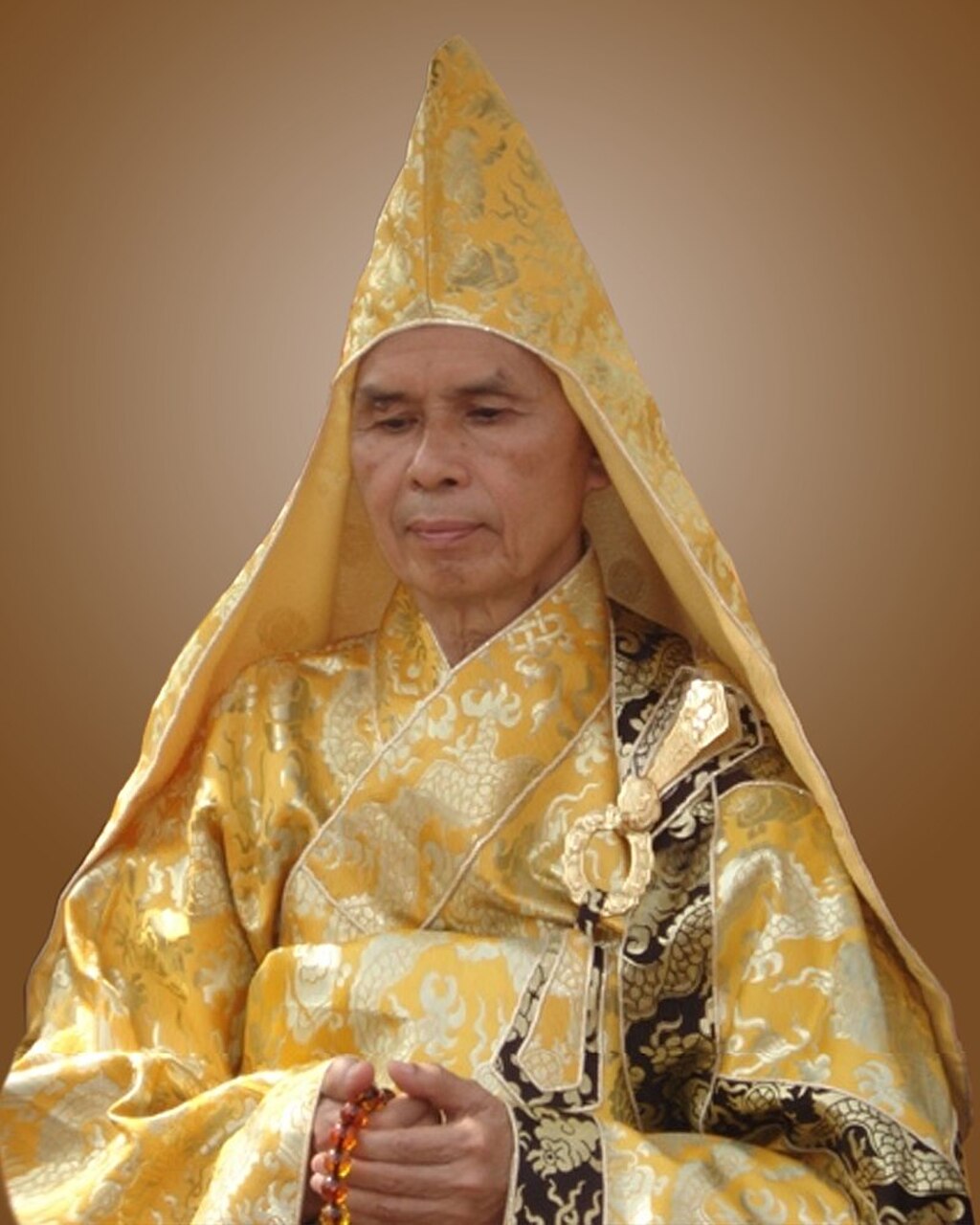
The Gentle Art of Presence
In the simple yet profound words of Thich Nhat Hanh, "Smile, breathe, and go slowly," we find an invitation to embrace the present moment with grace and mindfulness. This quote encapsulates a way of being that encourages us to slow down, to cultivate awareness, and to approach life with a sense of ease. In a world that often demands haste and urgency, these three actions serve as a gentle reminder of the peace that can be found in stillness and presence.
To smile, breathe, and go slowly is not merely a suggestion; it is a profound practice that can transform our experience of life. Each element of this triad holds significance: the smile opens the heart, the breath anchors us in the present, and the act of moving slowly allows us to savor each moment. In a culture that often equates busyness with productivity, Thich Nhat Hanh's wisdom invites us to reconsider our relationship with time and presence, urging us to find joy and tranquility in the simplicity of being.
The image / the metaphor
The imagery in Thich Nhat Hanh's quote evokes a serene landscape where the hustle of life fades into the background. To smile is to express an inner joy, a warmth that radiates outward, while breathing serves as a bridge to the present moment, grounding us in our physical existence. The directive to go slowly suggests a deliberate pace, one that allows us to engage fully with our surroundings and experiences. Together, these actions create a tapestry of mindfulness, inviting us to engage with life in a way that is both gentle and profound.
In the speaker's tradition
Thich Nhat Hanh's teachings are deeply rooted in the Buddhist tradition, where concepts such as mindfulness (sati) and the nature of suffering (dukkha) play pivotal roles. The practice of mindfulness encourages us to be fully present in each moment, allowing us to observe our thoughts and feelings without judgment. This aligns with the notion of sunyata, or emptiness, which teaches that our experiences are transient and interconnected. By smiling, breathing, and moving slowly, we engage with these fundamental principles, cultivating a deeper understanding of ourselves and our place in the world.
In his seminal work, "The Miracle of Mindfulness," Thich Nhat Hanh emphasizes the importance of being aware of our actions and thoughts. He writes about the power of mindful breathing as a means to anchor ourselves in the present, echoing the essence of his quote. This practice not only alleviates stress but also fosters a sense of connection to the world around us, illustrating how the simple act of being present can lead to profound insights and transformations.
Living the teaching
Consider a modern scenario where the teachings of Thich Nhat Hanh can be applied: imagine a busy morning where the demands of work and family life create a sense of overwhelm. In this moment, taking a pause to smile, breathe, and go slowly can shift the entire experience. By smiling, we can cultivate a sense of gratitude for the day ahead; by breathing deeply, we can ground ourselves amidst the chaos; and by moving slowly, we can approach our tasks with clarity and intention, transforming a frantic morning into a mindful ritual.
In relationships, the application of this teaching can be equally transformative. During a difficult conversation, instead of reacting impulsively, we can choose to smile gently, breathe deeply, and take our time to respond thoughtfully. This practice not only fosters a more compassionate dialogue but also allows us to connect with our partner on a deeper level. By embodying the principles of mindfulness in our interactions, we create space for understanding and healing, reinforcing the importance of presence in our relationships.
A reflection
As we contemplate Thich Nhat Hanh's invitation to "smile, breathe, and go slowly," we are called to reflect on our own pace of life. How often do we rush through our days, missing the beauty and richness of the present moment? In what ways can we integrate these simple yet profound actions into our daily routines to cultivate a deeper sense of peace and presence? Let us take a moment to consider how we might embody this teaching in our lives, allowing it to guide us toward a more mindful existence.




Join the BrightStar Community
Stay connected with daily inspiration, event announcements, and community wisdom