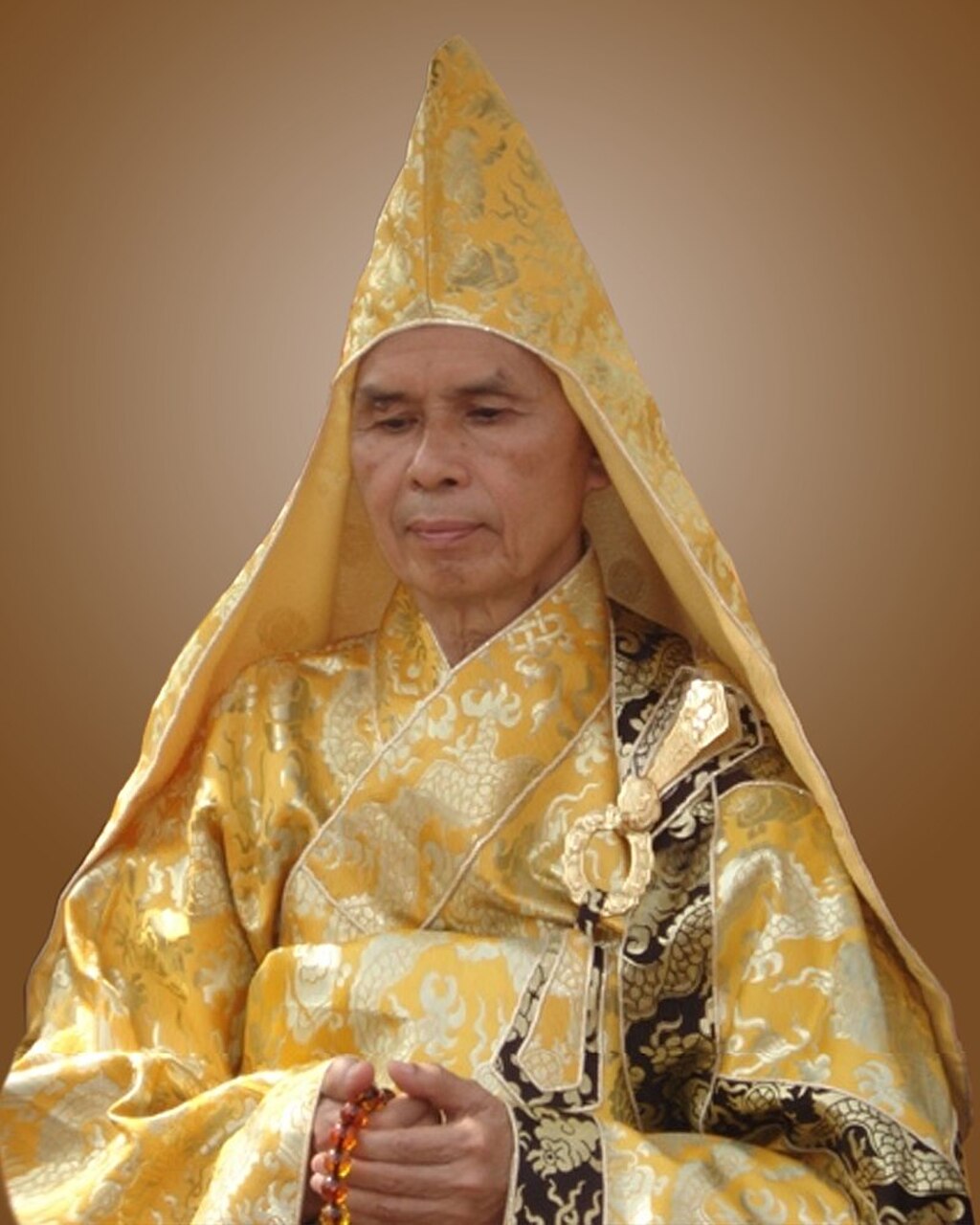
The Essence of Presence: Love Beyond Possession
Thich Nhat Hanh's poignant assertion, "The greatest love is not to possess but to be present," invites us to reconsider our understanding of love in a world often dominated by materialism and attachment. In this statement, he emphasizes that true love transcends ownership and instead flourishes in the act of being fully present with others. This perspective is not merely a philosophical musing; it is a profound call to engage with life and relationships in a more meaningful way, urging us to cultivate mindfulness and connection.
To grasp the depth of this teaching, we must explore the implications of presence as an expression of love. In a society that frequently equates love with possession—whether through physical gifts, emotional claims, or social status—Hanh's words serve as a gentle reminder that the essence of love lies in our ability to be fully attentive and available to those we care about. This presence nurtures relationships, fostering intimacy and understanding, while also liberating us from the burdens of expectation and control.
The image / the metaphor
At the heart of Hanh's quote lies a rich tapestry of imagery that contrasts possession with presence. The verb "to possess" evokes a sense of ownership, suggesting a grasping or clinging to something or someone, while "to be present" conjures an image of openness and availability. This juxtaposition creates a felt sense of freedom and connection, where love is not a commodity to be hoarded but a state of being that invites others into our lives without conditions.
Diving deeper into this metaphor, we can see that presence requires a certain vulnerability. To be present means to let go of our defenses, to allow ourselves to be seen and to see others in their entirety. It is an invitation to engage with the world authentically, to share in the joys and sorrows of those around us without the need to control or possess. In this way, presence becomes a powerful act of love, one that fosters genuine connection and understanding.
In the speaker's tradition
Thich Nhat Hanh's teachings are deeply rooted in Zen Buddhism, where concepts such as mindfulness and interbeing play a crucial role in understanding love and relationships. The notion of "kenosis," or self-emptying, resonates with Hanh's emphasis on presence, as it encourages individuals to release their attachments and ego-driven desires in favor of a more profound connection with others. This aligns with the Buddhist principle of "sunyata," or emptiness, which teaches that true fulfillment arises not from clinging but from recognizing the interconnectedness of all beings.
In his seminal work, "The Miracle of Mindfulness," Hanh illustrates how mindfulness practices can cultivate this sense of presence. He writes about the importance of being fully aware in each moment, suggesting that when we practice mindfulness, we can truly engage with those we love. This practice not only enhances our relationships but also deepens our understanding of love as a dynamic, ever-evolving force that thrives in the space of presence.
Living the teaching
Consider a modern scenario where this teaching can be applied: a busy parent returning home after a long day at work. The temptation may be to retreat into the comfort of distractions—checking emails or scrolling through social media—rather than engaging with their children. However, by choosing to be present, the parent can transform a mundane evening into a cherished experience, listening to their child's stories and sharing in their laughter. This simple act of presence can foster a deeper bond, illustrating how love flourishes when we prioritize connection over distraction.
Another application of this teaching can be found in romantic relationships, particularly during moments of conflict. Instead of seeking to possess or control the narrative, partners can practice being present with one another, listening deeply and acknowledging each other's feelings. This approach not only diffuses tension but also cultivates a sense of safety and trust, allowing love to thrive in an environment of mutual respect and understanding. In these moments, presence becomes a powerful antidote to the fear of loss or rejection, reinforcing the idea that love is not about possession but about shared experience.
A reflection
As we contemplate Thich Nhat Hanh's profound assertion, we might ask ourselves: In what areas of my life am I clinging to possession rather than embracing presence? This question invites us to reflect on our relationships and interactions, encouraging us to explore how we can cultivate a deeper sense of connection through mindfulness and attentiveness. By examining our own tendencies toward possession, we can begin to shift our focus toward the transformative power of being present, ultimately enriching our experience of love in all its forms.




Join the BrightStar Community
Stay connected with daily inspiration, event announcements, and community wisdom