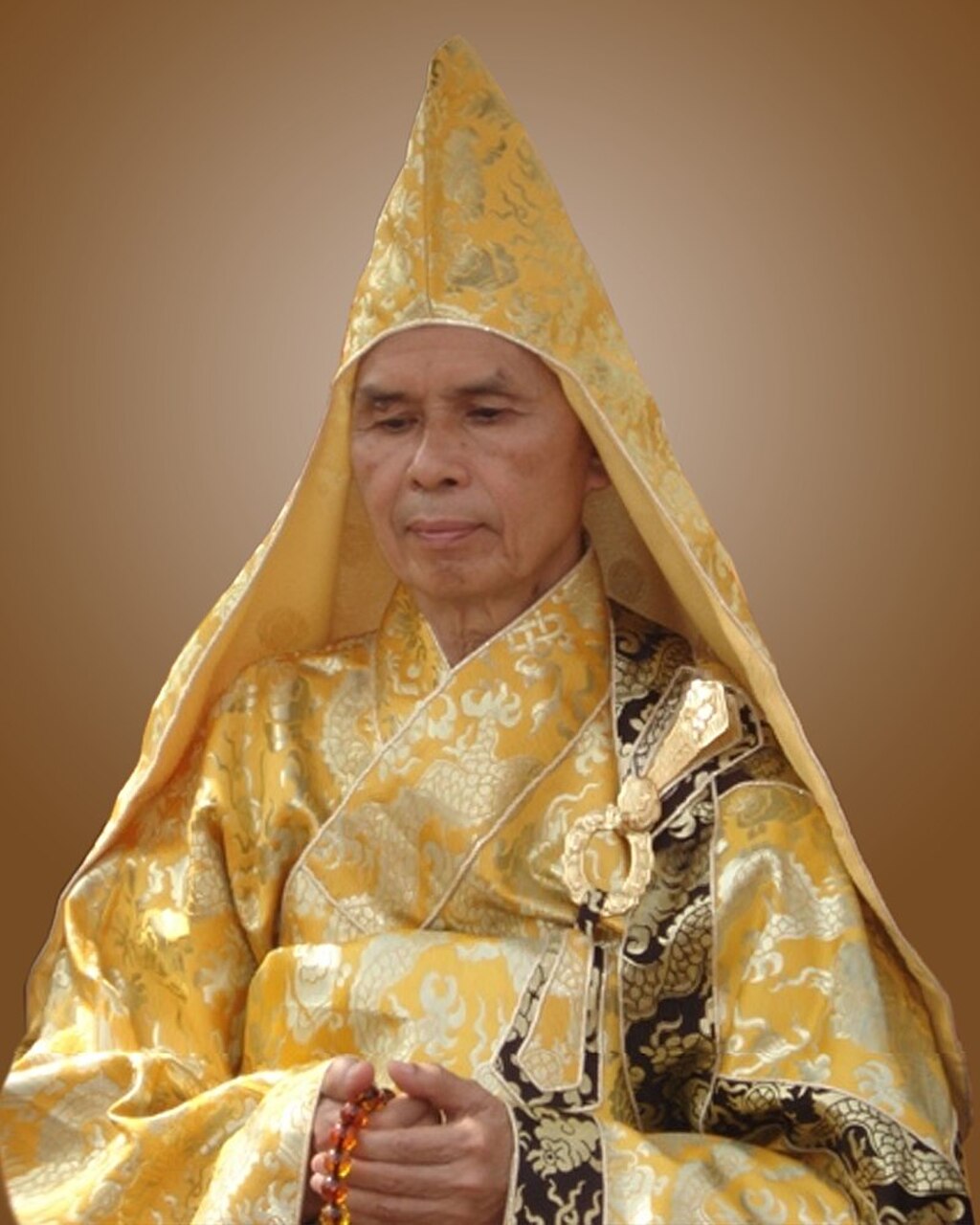
The Peaceful Path of Presence
In the words of Thich Nhat Hanh, "The mind can go in a thousand directions, but on this beautiful path, I walk in peace." This quote encapsulates the essence of mindfulness, emphasizing the dichotomy between the restless nature of the mind and the serene experience of being fully present. In a world filled with distractions and incessant thoughts, the ability to cultivate peace within ourselves becomes not just a luxury, but a necessity for our well-being. This teaching invites us to explore the profound impact of mindfulness on our daily lives, urging us to find tranquility amidst the chaos of our thoughts.
As we delve deeper into this quote, we recognize that the "beautiful path" is not merely a metaphorical journey but a tangible practice rooted in the present moment. Thich Nhat Hanh, a revered Zen master, encourages us to embrace the simplicity of being here and now. This path is one of awareness, where each step taken is imbued with intention and clarity. By walking this path, we can transform our relationship with our thoughts, allowing us to experience peace rather than being swept away by the currents of our mind.
The image / the metaphor
The imagery in Thich Nhat Hanh's quote evokes a vivid contrast between the chaotic nature of the mind and the serene experience of walking a path. The phrase "a thousand directions" suggests the overwhelming multitude of thoughts, worries, and distractions that can easily pull us away from the present moment. In contrast, the "beautiful path" symbolizes a journey of mindfulness, where each step is taken with awareness and purpose. The act of walking itself becomes a meditative practice, grounding us in the here and now, allowing us to cultivate a sense of peace.
In the speaker's tradition
Thich Nhat Hanh's teachings are deeply rooted in the Buddhist tradition, where concepts such as mindfulness (sati) and the nature of suffering (dukkha) play pivotal roles. The practice of mindfulness invites us to observe our thoughts without judgment, allowing us to cultivate a sense of awareness that leads to inner peace. This aligns with the Buddhist understanding of sunyata, or emptiness, which teaches that our thoughts and emotions are transient and do not define our true selves. By walking the beautiful path of mindfulness, we can experience the liberation that comes from recognizing the impermanence of our mental states.
In his seminal work, "The Miracle of Mindfulness," Thich Nhat Hanh emphasizes the importance of being present in every moment. He draws upon the teachings of the Buddha, who spoke of the Four Noble Truths and the Eightfold Path as a means to alleviate suffering. The practice of mindfulness serves as a bridge between these teachings and our daily lives, offering a practical approach to experiencing peace amidst the turmoil of our thoughts. By embodying these principles, we can walk the beautiful path with intention and grace.
Living the teaching
Consider a modern scenario where the teachings of Thich Nhat Hanh can be applied: a busy day at work filled with meetings, deadlines, and constant notifications. In such a setting, the mind may race in a thousand directions, leading to stress and overwhelm. However, by consciously choosing to take a moment to breathe and ground oneself in the present, one can transform the experience. This simple act of mindfulness—pausing to notice the breath, the sensations in the body, or the sounds around—can create a pocket of peace, allowing one to navigate the day with greater clarity and calm.
In the context of relationships, the teachings of mindfulness can also be profoundly transformative. Imagine a difficult conversation with a loved one, where emotions run high and misunderstandings abound. By practicing mindfulness, one can approach the dialogue with a sense of presence, listening deeply and responding thoughtfully rather than reacting impulsively. This practice not only fosters a deeper connection but also cultivates an atmosphere of peace, allowing both individuals to walk together on the beautiful path of understanding and compassion.
A reflection
As we reflect on Thich Nhat Hanh's poignant words, we are invited to consider our own relationship with the mind and the paths we choose to walk. What does it mean for you to walk in peace amidst the chaos of your thoughts? In what ways can you cultivate mindfulness in your daily life, allowing the beautiful path to unfold before you? These contemplative questions encourage us to explore the depths of our experience, inviting us to embrace the present moment with open hearts and minds.




Join the BrightStar Community
Stay connected with daily inspiration, event announcements, and community wisdom