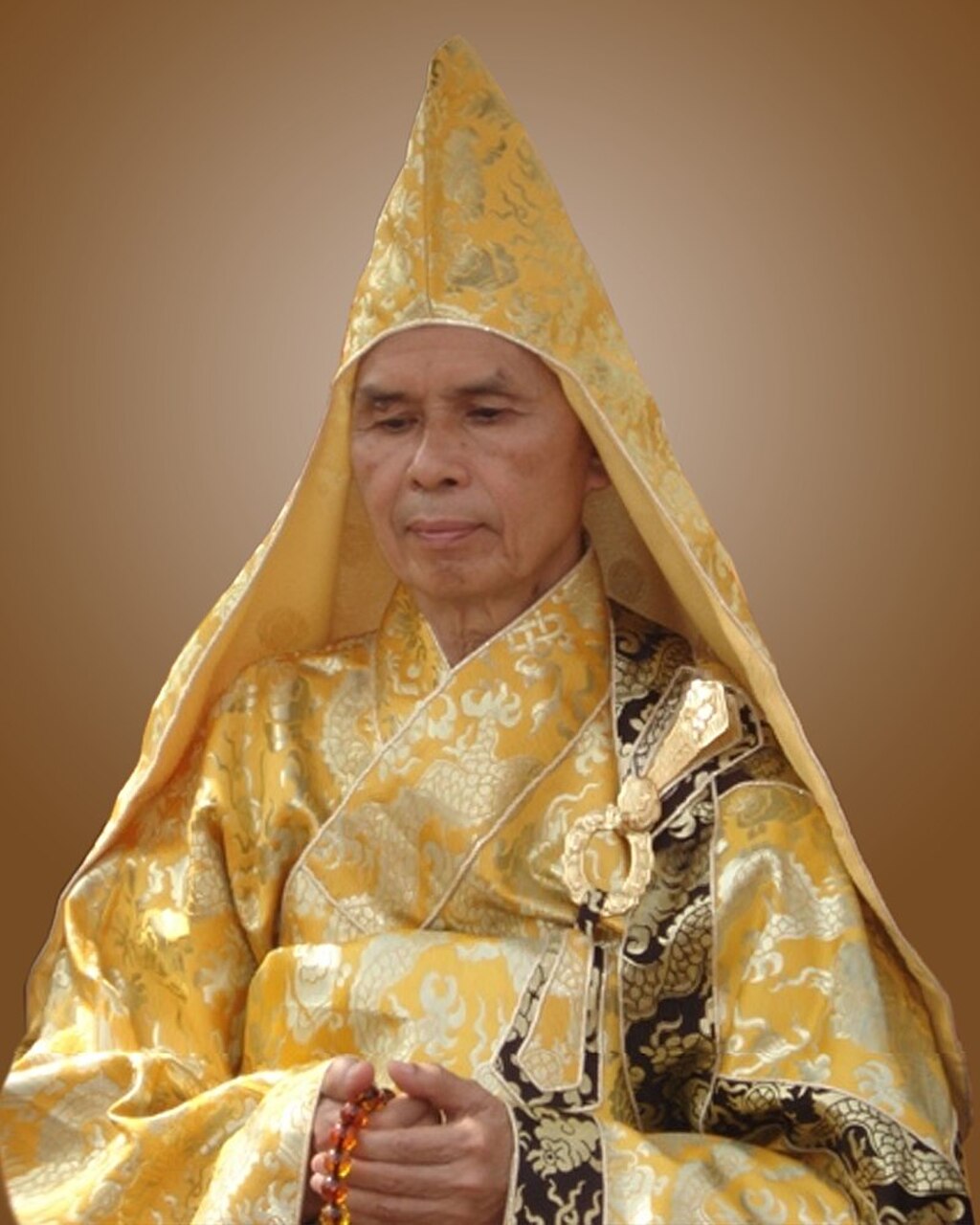
The Miracle of Being: Embracing Life's Journey
Thich Nhat Hanh's assertion that "to be born and grow is itself the great miracle" invites us to reflect on the profound wonder inherent in our existence. This statement serves as a gentle reminder that the very act of living—of experiencing growth, change, and transformation—is a miraculous phenomenon often taken for granted. In a world that frequently emphasizes achievement and productivity, this perspective encourages us to pause and appreciate the simple yet profound miracle of life itself.
In a society that often prioritizes external accomplishments over internal experiences, Hanh's words resonate deeply. They beckon us to cultivate a sense of awe and gratitude for our existence, urging us to recognize the beauty in our everyday lives. By acknowledging the miracle of being, we can foster a deeper connection to ourselves, others, and the world around us, ultimately leading to a more fulfilling and meaningful life.
The image / the metaphor
The imagery in Hanh's quote evokes a sense of wonder and reverence for the process of life. The verbs "to be born" and "to grow" suggest a dynamic journey, one that encompasses not only the physical act of entering the world but also the ongoing evolution of our being. This growth is not merely a biological process; it is an unfolding of potential, a blossoming into the fullness of who we are meant to be. The word "miracle" encapsulates the extraordinary nature of this journey, inviting us to see life as a sacred gift.
Diving deeper into the metaphor, we can interpret "miracle" as a call to mindfulness and presence. Each moment of growth—whether it be a milestone in childhood, a lesson learned in adulthood, or a moment of insight in our later years—can be viewed as a miraculous occurrence. This perspective encourages us to approach life with curiosity and openness, recognizing that every experience, no matter how mundane, holds the potential for transformation and awakening.
In the speaker's tradition
Thich Nhat Hanh's teachings are deeply rooted in the Buddhist tradition, which emphasizes the interconnectedness of all beings and the impermanence of life. Concepts such as *dharma* (the path of righteousness) and *sunyata* (emptiness) resonate with the idea that life itself is a miraculous unfolding. In Buddhism, the recognition of life as a miracle invites practitioners to cultivate *prajna*, or wisdom, allowing them to see beyond the surface of existence and appreciate the deeper truths that lie within.
In his book *Peace Is Every Step*, Hanh draws upon the teachings of the Buddha, who emphasized the importance of mindfulness and presence. The Buddha's insights into the nature of suffering and the path to enlightenment echo Hanh's assertion that the miracle of life is found in our ability to be fully present in each moment. By embracing the teachings of mindfulness, we can learn to appreciate the beauty of our existence and the interconnectedness of all life.
Living the teaching
Consider a modern scenario where this teaching can be applied: a busy parent juggling work, household responsibilities, and the demands of family life. In the midst of the chaos, it can be easy to overlook the miracle of watching children grow and develop their unique personalities. By taking a moment to pause and appreciate the small, everyday moments—like a child's laughter or the warmth of a shared meal—a parent can cultivate a sense of gratitude and wonder, transforming the mundane into the miraculous.
In relationships, this teaching can also find expression. During difficult moments, such as conflicts or misunderstandings, we can remind ourselves of the miracle of connection and growth that relationships offer. By approaching these challenges with mindfulness and compassion, we can foster deeper understanding and healing, recognizing that even the most challenging experiences contribute to our personal and relational growth.
A reflection
As we contemplate Thich Nhat Hanh's profound statement, we might ask ourselves: "In what ways can I cultivate a deeper appreciation for the miracle of my own life?" This question invites us to explore our daily experiences with fresh eyes, encouraging us to find beauty and wonder in the ordinary. By embracing this perspective, we can transform our relationship with life, allowing us to live more fully and authentically in each moment.




Join the BrightStar Community
Stay connected with daily inspiration, event announcements, and community wisdom