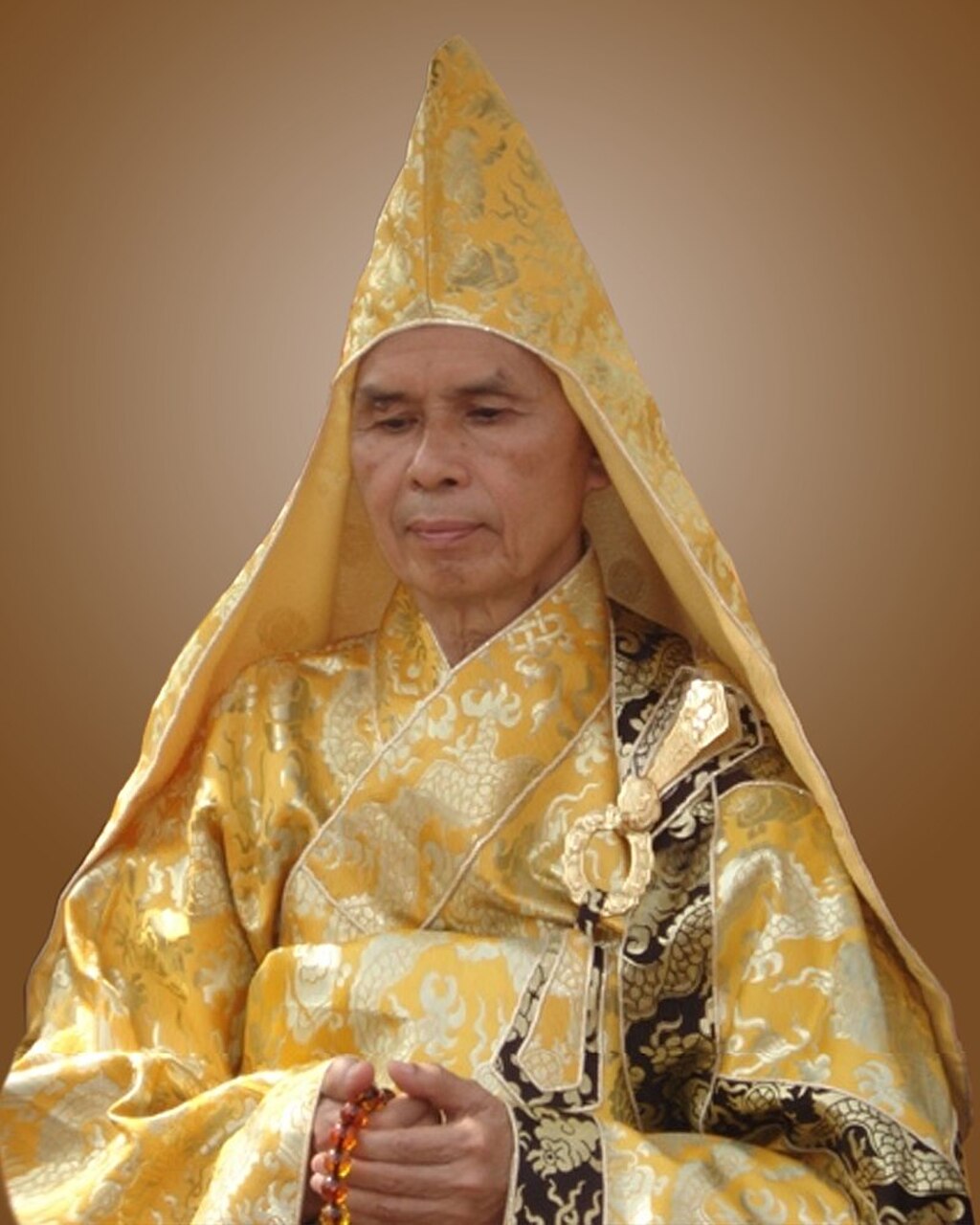
The Quietude of Truth: A Journey Within
Thich Nhat Hanh's assertion, "To be quiet within is the foundation of speaking truthfully," invites us to explore the profound relationship between inner silence and authentic expression. In a world often filled with noise and distraction, this quote serves as a reminder that true communication arises not from mere words but from a deep, tranquil space within ourselves. The stakes are high; without this inner quietude, our words may become mere echoes of external chaos rather than reflections of our genuine selves.
Delving deeper, we recognize that the essence of this teaching is not merely about the absence of sound but rather the presence of clarity and peace within. In a society that often equates busyness with productivity, the call to cultivate inner stillness can feel counterintuitive. Yet, it is precisely in this stillness that we can discern our truths, allowing us to speak with integrity and authenticity. This exploration of silence as a precursor to truthful speech is not only relevant to our personal lives but also critical in fostering meaningful connections with others.
The image / the metaphor
The imagery in Thich Nhat Hanh's quote evokes a serene landscape, where the mind is likened to a still pond, reflecting the clarity of the sky above. The verbs "to be quiet" and "to speak" suggest a dynamic interplay between stillness and expression, emphasizing that one must first cultivate an inner sanctuary before venturing into the world of words. This quietude is not a passive state; rather, it is an active engagement with our inner landscape, a preparation for the authenticity that follows.
In the speaker's tradition
Thich Nhat Hanh's teachings are deeply rooted in the Buddhist tradition, where concepts such as dharma and sunyata (emptiness) illuminate the path to understanding our true nature. The practice of mindfulness, central to Hanh's philosophy, encourages us to cultivate awareness of our thoughts and feelings, fostering a space where inner quietude can flourish. This quietness is not merely the absence of noise but a profound engagement with the present moment, allowing us to connect with the essence of our being.
In his work, Hanh often references the importance of "right speech," a concept found in the Noble Eightfold Path. Right speech is grounded in the understanding that our words carry weight and impact, and thus must arise from a place of compassion and clarity. This aligns beautifully with the idea that to speak truthfully, we must first cultivate a quiet mind, one that is attuned to the subtleties of our inner experience. In this way, Hanh's teachings resonate with the broader Buddhist emphasis on the interconnectedness of thought, speech, and action.
Living the teaching
Consider a modern scenario where this teaching finds relevance: a heated discussion at work where emotions run high and misunderstandings abound. In such moments, the ability to pause and cultivate inner quiet can transform the conversation. By taking a breath and grounding oneself in stillness, one can approach the dialogue with clarity, allowing for a more truthful exchange that transcends the immediate tensions. This practice of inner quiet not only enhances communication but also fosters a culture of understanding and respect.
Another application of this teaching can be found in personal relationships, particularly during conflicts. When faced with a disagreement, the urge to respond impulsively can lead to further discord. However, if one takes the time to cultivate inner silence, it becomes possible to respond from a place of love and understanding rather than reactivity. This shift not only enriches the relationship but also nurtures a deeper connection, as both parties feel heard and valued. In this way, the practice of being quiet within becomes a powerful tool for fostering harmony and truth in our interactions.
A reflection
As we reflect on Thich Nhat Hanh's profound insight, we are invited to consider: What does it mean for me to cultivate quietness within, and how might this inner stillness transform the way I communicate with others? This contemplative question encourages us to explore the depths of our own experience, prompting us to seek the silence that lies beneath the surface of our busy lives. In doing so, we may uncover the truths that long to be expressed, allowing our words to resonate with authenticity and compassion.




Join the BrightStar Community
Stay connected with daily inspiration, event announcements, and community wisdom