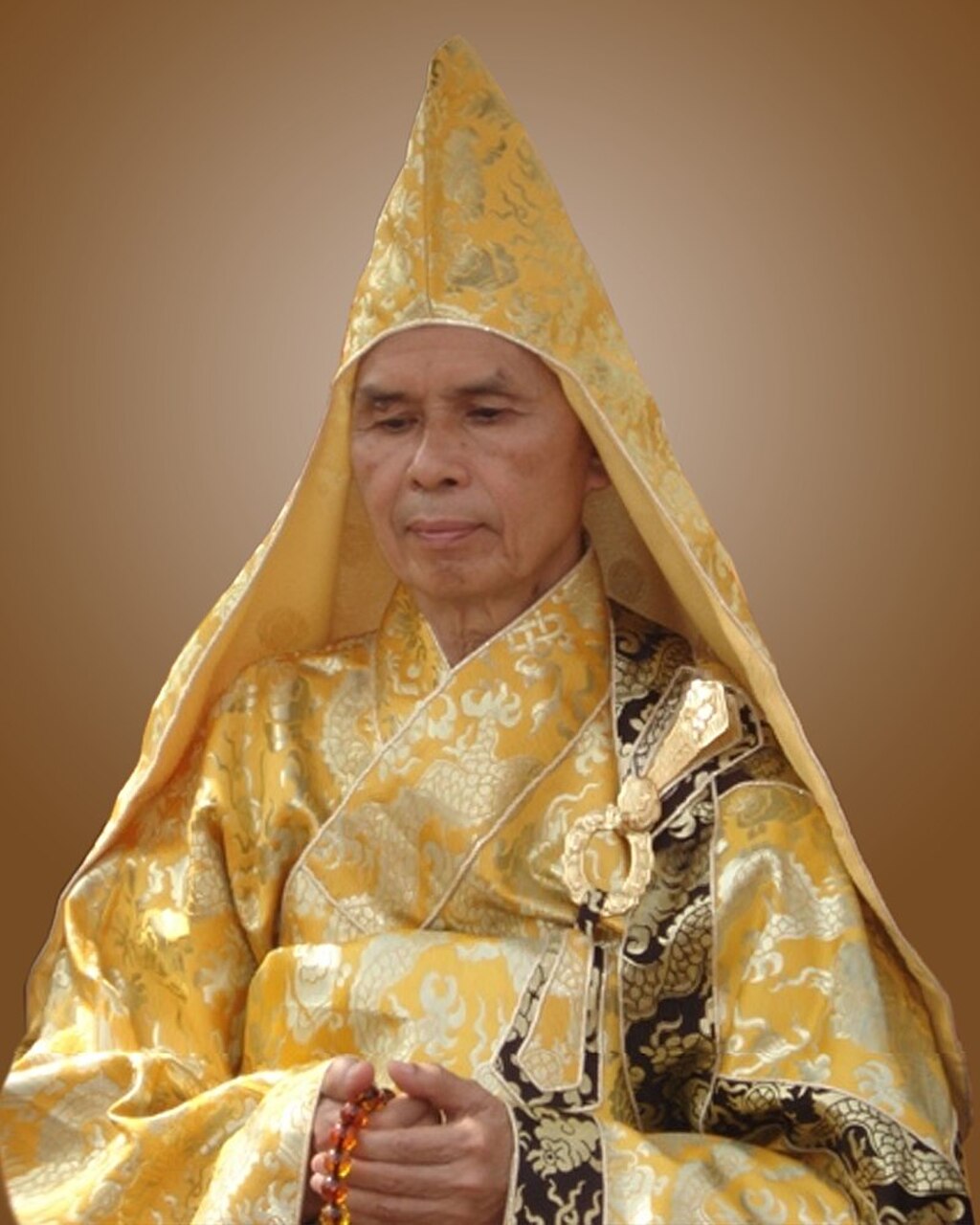
The Essence of Presence in Love
Thich Nhat Hanh's poignant assertion, "To love is to be present," invites us to reconsider the nature of love itself. In a world often characterized by distractions and superficial connections, this quote serves as a gentle reminder that true love requires our full attention and engagement. The stakes are high; without presence, love can become diluted, reduced to mere sentimentality rather than a profound, transformative experience. This teaching beckons us to explore the depths of our relationships and the essence of our interactions with others.
Delving deeper, we recognize that presence is not merely a physical state but an emotional and spiritual commitment. To love fully is to immerse oneself in the moment, to be attuned to the needs and feelings of another. This presence fosters a connection that transcends the ordinary, allowing love to flourish in its most authentic form. In this light, Thich Nhat Hanh's words challenge us to cultivate mindfulness, urging us to be aware of our thoughts, emotions, and actions as we engage with those we cherish.
The image / the metaphor
The imagery in Thich Nhat Hanh's quote evokes a sense of intimacy and immediacy. The verb "to be" suggests a state of existence that is active and intentional, while "present" implies a conscious awareness of the here and now. This duality of being and presence creates a vivid picture of love as a living, breathing entity that requires our undivided attention. It is not enough to simply profess love; we must embody it through our actions and our awareness.
In the speaker's tradition
Thich Nhat Hanh's teachings are deeply rooted in the Buddhist tradition, where concepts such as mindfulness (sati) and interbeing play crucial roles. Mindfulness encourages us to be fully aware of our thoughts and actions, while interbeing emphasizes the interconnectedness of all beings. In this context, love is not an isolated emotion but a manifestation of our understanding of the interconnected web of life. To love is to recognize that our well-being is intricately linked to the well-being of others, fostering a sense of compassion and empathy.
In his work "True Love," Thich Nhat Hanh elaborates on the idea of love as a practice of presence and mindfulness. He draws parallels between love and the Buddhist concept of "kenosis," or self-emptying, where one must let go of the ego to truly connect with another. This selfless love aligns with the notion of "sunyata," or emptiness, suggesting that to love is to transcend the self and embrace the fullness of another's existence. Through these teachings, we see that love, in its truest form, is an expression of our deepest understanding of reality.
Living the teaching
Consider a modern scenario where this teaching resonates: a busy parent juggling work, household responsibilities, and social commitments. In the midst of this chaos, the parent may find themselves physically present with their children but mentally preoccupied with tasks and worries. Thich Nhat Hanh's teaching serves as a gentle nudge to pause, breathe, and truly engage with their children. By setting aside distractions, the parent can create moments of genuine connection, fostering a deeper bond that enriches both their lives.
Another application of this teaching can be found in romantic relationships. Imagine a couple facing a difficult conversation, where emotions run high and misunderstandings abound. By embodying presence, each partner can listen deeply, setting aside their own agendas and judgments. This commitment to being present allows for a more compassionate exchange, where love can emerge from vulnerability and understanding. In this way, Thich Nhat Hanh's wisdom becomes a guiding principle, reminding us that love flourishes in the fertile ground of presence.
A reflection
As we contemplate Thich Nhat Hanh's profound statement, we are invited to reflect on our own capacity for presence in our relationships. How often do we find ourselves physically present yet emotionally distant? In what ways can we cultivate a deeper awareness of those we love, allowing our connections to blossom? This contemplation encourages us to explore the transformative power of presence, inviting us to engage more fully with the essence of love in our lives.




Join the BrightStar Community
Stay connected with daily inspiration, event announcements, and community wisdom