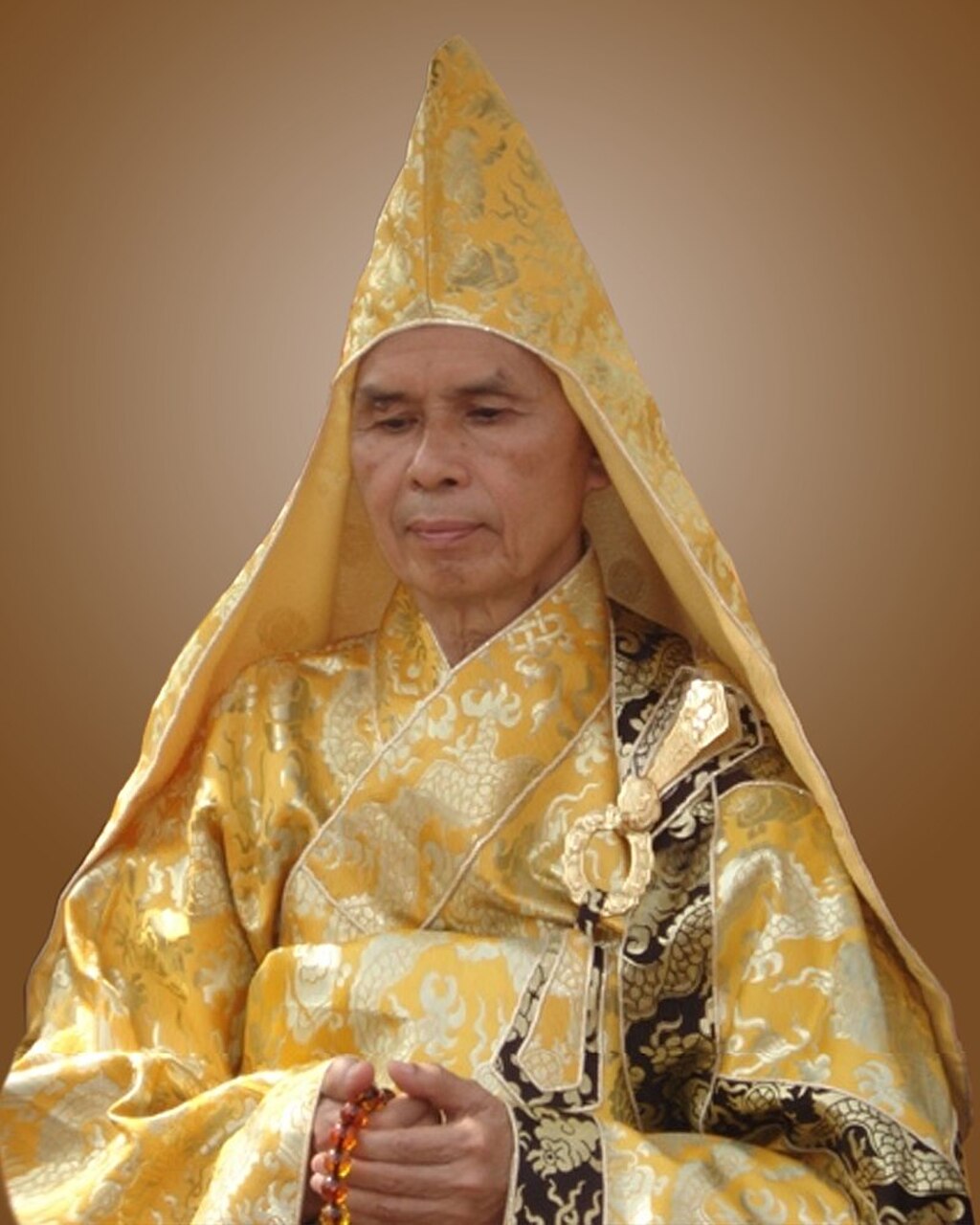
The Art of Remembering: A Journey into Mindfulness
Thich Nhat Hanh's profound assertion, "To meditate is to remember," invites us to reconsider the essence of meditation itself. Rather than merely a practice of quieting the mind or seeking tranquility, meditation emerges as a pathway to recollecting our true selves and the interconnectedness of all existence. This perspective shifts the stakes of meditation from a personal endeavor to a collective awakening, emphasizing the importance of remembrance in our spiritual journeys.
In a world often characterized by distraction and forgetfulness, the act of remembering becomes a radical return to our essence. Thich Nhat Hanh encourages us to delve into the depths of our consciousness, where we can rediscover the wisdom and compassion that reside within. This remembrance is not just about recalling past experiences; it is about reconnecting with the fundamental truths of our being and the world around us. In this light, meditation transforms into a sacred act of retrieval, allowing us to reclaim our innate mindfulness and presence.
The image / the metaphor
The imagery embedded in the phrase "to meditate is to remember" evokes a sense of depth and intimacy with our inner landscape. The verb "meditate" suggests a deliberate, focused engagement with our thoughts and feelings, while "remember" implies a gentle, nurturing act of bringing forth what may have been obscured or forgotten. This duality creates a felt sense of returning home, as if we are peeling back layers of distraction to reveal the core of our being.
In the speaker's tradition
Thich Nhat Hanh's teachings are deeply rooted in the Buddhist tradition, where concepts such as mindfulness, interbeing, and the nature of suffering play pivotal roles. The notion of "remembering" aligns closely with the Buddhist practice of dharma, which encourages practitioners to recall the teachings of the Buddha and apply them to their lives. This remembrance fosters a sense of interconnectedness, as we recognize that our individual experiences are woven into the larger tapestry of existence.
In his seminal work, "The Miracle of Mindfulness," Thich Nhat Hanh emphasizes the importance of being present and aware in each moment. This echoes the teachings found in the Satipatthana Sutta, where mindfulness is cultivated through the recollection of the body, feelings, mind, and phenomena. By engaging in this practice, we not only remember our own experiences but also cultivate a deeper understanding of the impermanence and interdependence that characterize all life.
Living the teaching
Consider a modern scenario where the teaching of remembering through meditation can be applied: a busy professional, overwhelmed by the demands of work and life, finds solace in a few moments of quiet reflection. As they sit in meditation, they begin to remember the passions and dreams that once ignited their spirit. This act of remembrance allows them to reconnect with their purpose, fostering a renewed sense of clarity and motivation in their daily endeavors.
In a different context, imagine a relationship strained by misunderstandings and unspoken grievances. By practicing meditation together, partners can create a space to remember the love and connection that initially brought them together. As they meditate, they may recall shared moments of joy and laughter, allowing them to approach their challenges with compassion and understanding, ultimately deepening their bond.
A reflection
As we contemplate Thich Nhat Hanh's assertion that "to meditate is to remember," we are invited to explore the depths of our own consciousness. What aspects of ourselves have we forgotten in the hustle and bustle of daily life? In what ways can we cultivate a practice of remembrance that nurtures our spirit and fosters a deeper connection to ourselves and others? These questions serve as a gentle reminder that the journey of meditation is not merely about stillness but about the profound act of remembering who we truly are.




Join the BrightStar Community
Stay connected with daily inspiration, event announcements, and community wisdom