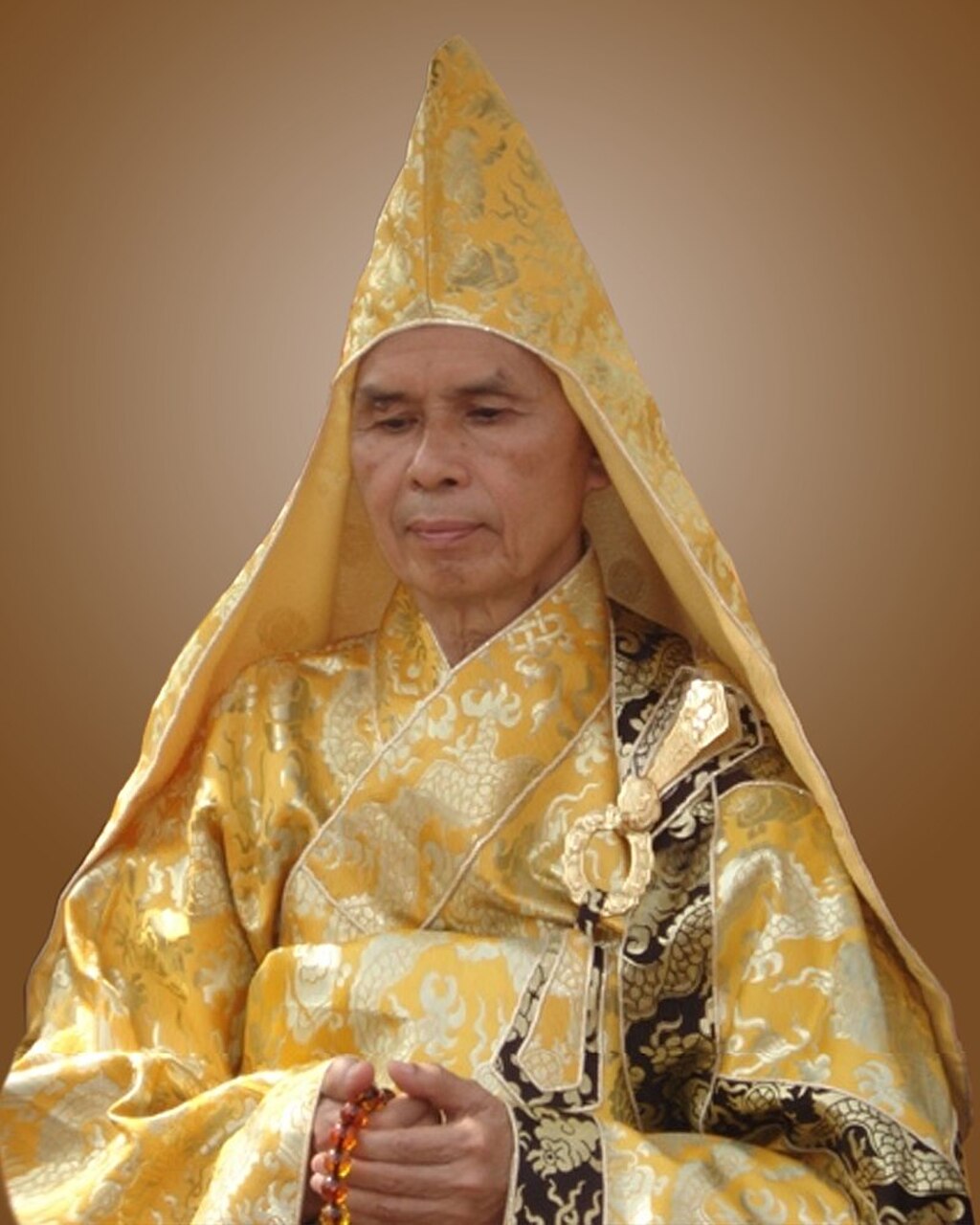
Embracing the Soil of Suffering for Spiritual Growth
Thich Nhat Hanh's profound assertion, "To suffer well is to grow," invites us to reconsider our relationship with suffering. Rather than viewing suffering as a mere burden or an obstacle to happiness, he suggests that it can be a fertile ground for personal and spiritual development. This perspective is crucial in a world that often seeks to avoid discomfort at all costs, emphasizing the importance of embracing our pain as a pathway to deeper wisdom and understanding.
In a society that frequently equates suffering with failure, Hanh's words challenge us to reframe our experiences. They remind us that growth often emerges from the most challenging moments in our lives. By acknowledging suffering as an integral part of the human experience, we can cultivate resilience and compassion, not only for ourselves but also for others who endure similar trials. This transformative approach to suffering is not merely philosophical; it is a call to action, urging us to engage with our pain in a meaningful way.
The image / the metaphor
The imagery in Hanh's quote evokes a sense of duality, where suffering and growth are intertwined like roots and blossoms in a garden. The verb "to suffer" implies an active engagement with pain, suggesting that it is not a passive experience but one that requires our attention and intention. The word "grow" connotes a natural progression, a movement towards something greater, hinting at the potential for transformation that lies within our struggles.
Diving deeper into this metaphor, we can envision suffering as the dark, rich soil from which the lotus flower emerges. Just as the lotus must push through the murky waters to reach the light, we too must navigate our own depths of despair to find clarity and purpose. This process of emergence is not instantaneous; it requires patience, nurturing, and the willingness to confront our shadows. In this way, suffering becomes a crucible for growth, shaping us into more compassionate and wise beings.
In the speaker's tradition
Thich Nhat Hanh's teachings are deeply rooted in the Buddhist tradition, which emphasizes the interconnectedness of all life and the impermanence of suffering. Central to this philosophy is the concept of dukkha, often translated as suffering or unsatisfactoriness, which is a fundamental aspect of the human condition. Hanh's perspective aligns with the Buddhist understanding that suffering is not to be avoided but embraced as a teacher, guiding us toward the path of enlightenment and liberation.
In his work, Hanh often references the notion of sunyata, or emptiness, which invites us to recognize that our attachments to suffering can cloud our perception of reality. By letting go of these attachments, we can cultivate prajna, or wisdom, allowing us to see suffering as a catalyst for growth. This understanding resonates with the teachings found in the Pali Canon, where the Buddha speaks of the Four Noble Truths, emphasizing that acknowledging suffering is the first step toward liberation. Hanh's insights serve as a contemporary reminder of these timeless truths.
Living the teaching
Consider a modern scenario where this teaching might resonate: a person grappling with the loss of a loved one. Initially, the pain feels overwhelming, a dark cloud that obscures any sense of hope or purpose. However, as time passes, this individual begins to reflect on the lessons learned through their grief—how it has deepened their capacity for empathy and connection with others who are suffering. In this way, the experience of loss transforms into a source of strength, illustrating Hanh's assertion that suffering can indeed lead to profound personal growth.
Another application of this teaching can be found in the realm of relationships. Imagine a couple facing a significant conflict that threatens to unravel their bond. Instead of avoiding the discomfort or allowing resentment to fester, they choose to engage with their differences openly and honestly. Through this process, they not only resolve their issues but also emerge with a deeper understanding of each other and a stronger foundation for their relationship. Here, the act of suffering together becomes a transformative experience, reinforcing Hanh's message that growth often arises from the willingness to confront our pain.
A reflection
As we contemplate Thich Nhat Hanh's insightful words, we are invited to reflect on our own relationship with suffering. How can we embrace our struggles as opportunities for growth rather than obstacles to our happiness? In what ways might our pain serve as a catalyst for deeper understanding and compassion, both for ourselves and for others? These questions encourage us to engage with our experiences thoughtfully, fostering a sense of resilience and wisdom that can illuminate our path forward.




Join the BrightStar Community
Stay connected with daily inspiration, event announcements, and community wisdom