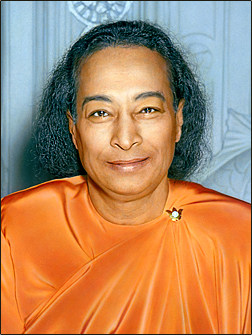
The Illusion of Desire: Unveiling the Halo of Attachment
Paramahansa Yogananda's assertion that "attachment is blinding; it lends an imaginary halo of attractiveness to the object of desire" invites us to reflect on the nature of our attachments and desires. In essence, he suggests that our emotional investments can distort our perceptions, leading us to idealize what we covet. This distortion can have profound implications for our spiritual journey, as it often diverts us from the essence of true fulfillment and understanding.
In a world that constantly bombards us with messages about what we should desire, Yogananda's words serve as a poignant reminder of the need for discernment. The allure of attachment can create a mirage, making us believe that happiness lies in external objects or relationships. By recognizing this blinding effect, we can begin to cultivate a deeper awareness of our true needs and the transient nature of our desires, ultimately guiding us toward a more authentic existence.
The image / the metaphor
The imagery in Yogananda's quote evokes a powerful visual: the "imaginary halo" surrounding the object of desire suggests a deceptive glow that obscures reality. The term "blinding" indicates a loss of clarity, as if our vision is clouded by the very attachments we hold dear. This metaphor captures the essence of how desire can warp our understanding, transforming ordinary experiences into objects of obsession, thus leading us away from a balanced perspective.
In the speaker's tradition
Yogananda's teachings are deeply rooted in the rich tapestry of Hindu philosophy, where concepts such as dharma and bhakti illuminate the path toward spiritual awakening. In this context, attachment can be seen as a deviation from one's dharma, or righteous duty, which calls for a balanced approach to life. The notion of kenosis, or self-emptying, resonates here, as it encourages individuals to release their attachments and desires to experience a deeper connection with the divine.
Moreover, the Buddhist concept of sunyata, or emptiness, parallels Yogananda's insights. Both traditions emphasize the importance of recognizing the transient nature of existence and the illusions that arise from attachment. In the Bhagavad Gita, Krishna advises Arjuna to act without attachment to the fruits of his actions, underscoring the necessity of detachment for spiritual growth. This wisdom invites us to examine our own attachments and the ways they may hinder our journey toward enlightenment.
Living the teaching
Consider a modern scenario where the blinding effect of attachment manifests in the workplace. An individual may become fixated on a promotion, believing that achieving this status will bring them happiness and fulfillment. This attachment can lead to stress, anxiety, and a distorted view of their self-worth, overshadowing the intrinsic value of their contributions and relationships with colleagues. By recognizing this blinding attachment, one can shift their focus from the external validation of a title to the internal satisfaction of doing meaningful work.
In the realm of personal relationships, the impact of attachment can be equally profound. A person may idealize their partner, attributing qualities and attributes that may not be entirely accurate, thus creating an unrealistic expectation. This attachment can lead to disappointment and conflict when the partner inevitably falls short of the imagined ideal. By cultivating awareness of this tendency, individuals can learn to appreciate their partners for who they truly are, fostering a more authentic and compassionate connection.
A reflection
As we contemplate Yogananda's profound insight, we are invited to ask ourselves: What attachments in my life are blinding me to the truth of my experiences? This question encourages a deep introspection, prompting us to examine the desires that may be shaping our perceptions and decisions. By engaging with this inquiry, we can begin to peel away the layers of illusion, allowing for a clearer vision of our true selves and the world around us.




Join the BrightStar Community
Stay connected with daily inspiration, event announcements, and community wisdom