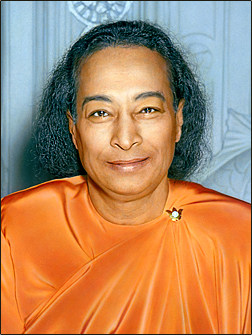
The Breath of Immortality: Embracing Calmness in a Chaotic World
Paramahansa Yogananda's assertion that "Calmness is the living breath of God's immortality in you" invites us to explore the profound connection between inner tranquility and the divine essence within ourselves. In a world often marked by turmoil and distraction, this quote serves as a reminder that our ability to cultivate calmness is not merely a personal endeavor but a spiritual practice that aligns us with the eternal. The stakes are high: to embrace calmness is to tap into a source of strength and resilience that transcends the ephemeral nature of our daily lives.
Delving deeper, we recognize that calmness is not simply the absence of noise or chaos; it is a vibrant state of being that allows us to connect with the divine. Yogananda suggests that within each of us lies a breath of immortality, a divine spark that can be accessed through the practice of calmness. This perspective invites us to consider how our inner state influences our external reality and how nurturing calmness can lead to a more profound understanding of our existence and purpose.
The image / the metaphor
The imagery in Yogananda's quote evokes a sense of life and vitality. The phrase "living breath" suggests an active, dynamic force that is essential for existence, much like the breath itself, which sustains our physical life. By linking calmness to the divine, Yogananda paints a picture of tranquility as a sacred state that nourishes our spiritual essence. The verbs chosen—"is" and "breath"—imply a continuous, flowing relationship between calmness and the divine, emphasizing that this state is not a fleeting moment but a persistent reality we can embody.
Diving deeper into the metaphor, we can see calmness as a bridge connecting our mortal experience to the divine. Just as breath is vital for life, calmness is essential for spiritual awakening. It allows us to transcend the limitations of our ego and connect with the infinite. In this sense, calmness becomes a conduit through which we experience God's immortality, reminding us that our true nature is not bound by the temporal but is part of a greater, eternal reality.
In the speaker's tradition
Paramahansa Yogananda's teachings are rooted in the rich tradition of Hindu philosophy, which emphasizes the interconnectedness of all beings and the pursuit of spiritual realization. Concepts such as dharma, the moral order of the universe, and bhakti, the path of devotion, resonate deeply with the idea of calmness as a divine state. In this context, calmness can be seen as a form of kenosis, or self-emptying, where one surrenders the tumult of the mind to embrace the divine presence within. This surrender allows for a deeper understanding of one's dharma and a more profound connection to the divine.
Moreover, Yogananda's emphasis on calmness aligns with the teachings found in the Bhagavad Gita, where Lord Krishna advises Arjuna to maintain equanimity in the face of life's challenges. The Gita speaks of the importance of remaining centered and detached, which echoes Yogananda's assertion that calmness is essential for realizing our immortal nature. This timeless wisdom invites us to cultivate a state of inner peace that reflects our divine essence, allowing us to navigate the complexities of life with grace and clarity.
Living the teaching
Consider a modern scenario where the teaching of calmness manifests: a hectic workplace filled with deadlines and pressures. In such an environment, the ability to maintain calmness can transform not only one's own experience but also the atmosphere around them. When faced with stress, an individual who embodies calmness can serve as a stabilizing force, fostering a sense of collective tranquility. This practice of remaining centered amidst chaos not only enhances personal well-being but also encourages others to seek their own inner calm.
Another application of this teaching can be found in personal relationships, especially during conflicts. When tensions rise, the practice of calmness allows individuals to respond thoughtfully rather than react impulsively. By embodying the breath of immortality that Yogananda speaks of, one can approach disagreements with a sense of compassion and understanding, creating space for healing and connection. In these moments, calmness becomes a powerful tool for nurturing relationships and fostering deeper bonds.
A reflection
As we contemplate Yogananda's profound insight, we are invited to reflect on our own relationship with calmness. How often do we allow the chaos of the external world to disrupt our inner peace? In what ways can we cultivate a deeper sense of calmness that connects us to the divine breath of immortality within us? This contemplation encourages us to explore the transformative power of calmness in our lives, guiding us toward a more profound understanding of our spiritual essence.




Join the BrightStar Community
Stay connected with daily inspiration, event announcements, and community wisdom