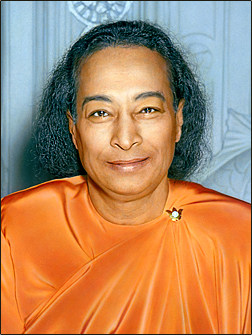
The Tempest Within: Navigating Desire and Detachment
Paramahansa Yogananda's observation that "Desire is the storm that rages in the sea of feeling, producing the waves of likes and dislikes" invites us to reflect on the tumultuous nature of our inner emotional landscape. In this metaphor, desire is not merely an impulse but a powerful force that shapes our experiences, often leading to a cycle of attachment and aversion. Understanding this dynamic is crucial for anyone seeking a deeper sense of peace and fulfillment in life, as it reveals the underlying currents that drive our choices and reactions.
As we delve into this quote, we begin to recognize that desire, while a natural part of the human experience, can also be a source of suffering. The "storm" Yogananda describes suggests an uncontrollable force that can disrupt our inner calm, leading us to chase fleeting pleasures or recoil from discomfort. This realization is essential for those on a spiritual path, as it highlights the importance of cultivating detachment and awareness in the face of our desires, ultimately guiding us toward a more serene existence.
The image / the metaphor
The imagery in Yogananda's quote evokes a vivid picture of a stormy sea, where waves of likes and dislikes crash against one another, creating chaos and confusion. The choice of the word "storm" implies a sense of violence and unpredictability, suggesting that our desires can overwhelm us if left unchecked. The "sea of feeling" further emphasizes the depth and vastness of our emotional experiences, hinting at the complexity of human nature and the myriad feelings that arise from our desires.
Diving deeper into this metaphor, we can see that the storm represents not only the intensity of our desires but also the transient nature of our emotional states. Just as storms pass and the sea can become calm again, so too can our feelings shift and change. This understanding encourages us to cultivate a sense of equanimity, recognizing that while desires may arise and create turbulence, they do not define us. By observing our feelings without attachment, we can learn to navigate the waves of our emotional landscape with greater ease.
In the speaker's tradition
Paramahansa Yogananda's teachings are deeply rooted in the spiritual tradition of Hinduism, which emphasizes the importance of understanding the nature of desire and its impact on our spiritual journey. Concepts such as dharma, or one's duty, and bhakti, the path of devotion, provide a framework for understanding how to engage with desire in a way that aligns with our higher purpose. In this context, desire can be seen as both a potential obstacle and a catalyst for growth, depending on how we choose to respond to it.
In the Bhagavad Gita, a foundational text in Hindu philosophy, the idea of detachment from the fruits of one's actions is central to the teachings of Krishna. This aligns closely with Yogananda's perspective, as both emphasize the importance of transcending the dualities of likes and dislikes to achieve a state of inner peace. By recognizing that our desires are often fleeting and not inherently tied to our true selves, we can cultivate a deeper understanding of our spiritual path and move toward a state of liberation.
Living the teaching
Consider a modern scenario where this teaching resonates: a professional striving for success may find themselves caught in a relentless pursuit of accolades and recognition. The desire for approval can create a storm of anxiety and dissatisfaction, leading to a cycle of chasing after external validation. By reflecting on Yogananda's insight, this individual might begin to recognize that their worth is not contingent upon others' opinions, allowing them to detach from the storm of desire and find fulfillment in their intrinsic value and contributions.
In the realm of relationships, the impact of desire can be equally profound. Imagine a couple navigating the complexities of love, where one partner's desire for closeness clashes with the other's need for independence. This tension can create waves of conflict and misunderstanding. By applying Yogananda's teaching, both partners can learn to observe their desires without becoming entangled in them, fostering a space of compassion and understanding that allows for both connection and personal freedom. This practice of detachment can transform their relationship into a more harmonious and supportive partnership.
A reflection
As we contemplate Yogananda's words, we are invited to ask ourselves: How do my desires shape my emotional landscape, and in what ways can I cultivate detachment to navigate the storms within? This question encourages a deeper exploration of our motivations and attachments, prompting us to consider how we can align our desires with our spiritual growth. By engaging with this inquiry, we open ourselves to the possibility of greater peace and clarity in our lives.




Join the BrightStar Community
Stay connected with daily inspiration, event announcements, and community wisdom