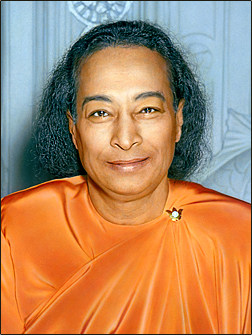
Awakening from the Dream: Embracing Life's Illusions
Paramahansa Yogananda invites us to reconsider our relationship with life's experiences, urging us not to take them too seriously. He suggests that these experiences, often laden with emotional weight, are akin to dreams—fleeting and insubstantial. This perspective is vital in a world where we frequently allow our circumstances to dictate our emotional well-being. By recognizing the ephemeral nature of our experiences, we can cultivate a sense of detachment that fosters inner peace and resilience.
In a society that often equates seriousness with depth, Yogananda's wisdom serves as a gentle reminder that life is not merely a series of trials to endure but rather a rich tapestry of experiences to observe. The invitation to not let these experiences hurt us speaks to the heart of human suffering, which often arises from our attachment to outcomes and identities. By embracing the notion that our experiences are ultimately illusory, we can navigate life's challenges with grace and a lighter heart.
The image / the metaphor
Yogananda's quote employs vivid imagery that evokes the transient nature of dreams. The verbs "take" and "hurt" suggest an active engagement with life's experiences, highlighting our tendency to internalize and personalize them. The metaphor of life as a dream encourages us to step back and observe rather than react, inviting a sense of wonder and curiosity about our circumstances. This perspective allows us to see our experiences not as definitive truths but as passing moments that can inform our growth without defining our essence.
Diving deeper into this metaphor, we can understand that dreams often reflect our subconscious fears and desires, much like our waking experiences can mirror our attachments and aversions. By recognizing that both dreams and life experiences are shaped by our perceptions, we can cultivate a more profound sense of detachment. This detachment does not imply indifference; rather, it invites us to engage with life fully while maintaining an awareness of its impermanence and fluidity.
In the speaker's tradition
Yogananda's teachings are deeply rooted in the Hindu tradition, where concepts such as *maya* (illusion) and *samsara* (the cycle of birth and rebirth) play pivotal roles. The notion of detachment, or *vairagya*, is essential in this context, as it encourages practitioners to transcend the material world and its fleeting pleasures. By understanding that our experiences are part of a larger cosmic play, we can align ourselves with our true nature, which is eternal and unchanging, rather than being swept away by the currents of life.
In the Bhagavad Gita, Krishna imparts wisdom on the importance of performing one's duty without attachment to the results. This teaching resonates with Yogananda's message, as both emphasize the significance of engaging with life while recognizing its illusory nature. The Gita's call to *karma yoga*, or the yoga of action, invites us to act with intention and awareness, allowing us to navigate life's challenges without being ensnared by them.
Living the teaching
Consider a modern scenario where this teaching can be applied: a professional facing a challenging project at work. The pressure to succeed can create anxiety and stress, leading to a sense of personal failure if the outcome is not favorable. By embracing Yogananda's perspective, the individual can approach the project with curiosity rather than fear, recognizing that the experience, regardless of the outcome, is a valuable opportunity for growth and learning. This shift in perspective allows for a more balanced emotional response, reducing the weight of perceived failure.
In the realm of relationships, Yogananda's wisdom can also provide solace. Imagine a conflict arising between friends, where emotions run high and misunderstandings abound. By applying the principle of detachment, both individuals can step back and view the situation as a temporary experience rather than a definitive rupture in their bond. This approach fosters compassion and understanding, allowing for resolution without the burden of emotional pain that often accompanies attachment to outcomes.
A reflection
As we contemplate Yogananda's profound insight, we are invited to reflect on our own experiences and the weight we assign to them. How often do we allow our circumstances to dictate our emotional state? In what ways can we cultivate a sense of detachment that honors our experiences without being defined by them? This contemplative inquiry can lead us to a deeper understanding of ourselves and our place within the ever-changing tapestry of life.




Join the BrightStar Community
Stay connected with daily inspiration, event announcements, and community wisdom