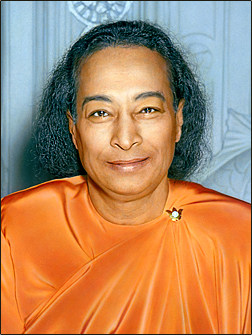
The Source of All Abundance
In the profound words of Paramahansa Yogananda, "God is the fountain of health, prosperity, wisdom, and eternal joy. We forsake our source when we allow our minds to dwell on worldly things." This statement invites us to reflect on the nature of our existence and the sources from which we derive our well-being. It suggests that true fulfillment is found not in the transient pleasures of the material world but in a deeper connection to the divine. The stakes are high; in a world that often prioritizes superficial gains, recognizing our spiritual source can lead to a life rich in meaning and purpose.
Yogananda's assertion challenges us to examine where we place our focus and energy. The allure of worldly distractions can easily lead us away from the profound truths that nourish our souls. By allowing our minds to dwell on fleeting desires, we risk losing touch with the eternal joy and wisdom that flow from our connection to God. This quote serves as a reminder that our spiritual health is intrinsically linked to our awareness of the divine, urging us to cultivate a mindset that prioritizes spiritual abundance over material accumulation.
The image / the metaphor
The imagery in Yogananda's quote is striking; he presents God as a fountain, a source of life-giving water that nourishes all aspects of our being. The verbs "forsake" and "dwell" evoke a sense of choice and agency, suggesting that we have the power to either connect with this divine source or turn away from it. The metaphor of a fountain implies an endless supply of health, prosperity, wisdom, and joy, contrasting sharply with the finite nature of worldly possessions. This imagery invites us to visualize our spiritual journey as one of seeking and drinking deeply from the fountain of divine grace.
Diving deeper into the metaphor, we can see that a fountain not only provides sustenance but also symbolizes purity and clarity. Just as water cleanses and refreshes, a connection to God can purify our thoughts and intentions, allowing us to navigate life with greater wisdom. The act of dwelling on worldly things can cloud our perception, leading us to forget the source of our true abundance. In this light, Yogananda's words become a call to return to the clarity and vitality that comes from recognizing God as our ultimate source.
In the speaker's tradition
Paramahansa Yogananda's teachings are deeply rooted in the rich tradition of Hindu philosophy, where concepts such as dharma, bhakti, and prajna play pivotal roles. Dharma, or the moral order of the universe, encourages us to align our actions with our higher purpose, while bhakti emphasizes the importance of devotion to God as a means of experiencing divine love and joy. Yogananda's perspective resonates with the idea of kenosis, the self-emptying of one's own desires to make room for divine presence, suggesting that true prosperity arises from surrendering to the divine will.
In the Bhagavad Gita, a foundational text in Hinduism, Lord Krishna imparts wisdom about the nature of reality and the importance of focusing on one's spiritual duties rather than being attached to the fruits of one's actions. This aligns beautifully with Yogananda's message; when we dwell on worldly things, we become entangled in the cycle of desire and suffering. Instead, by centering our lives around our connection to the divine, we can experience the eternal joy and wisdom that Yogananda speaks of, echoing the Gita's call to seek the eternal amidst the ephemeral.
Living the teaching
Consider a modern scenario where this teaching resonates: a professional caught in the relentless pursuit of success. As deadlines loom and competition intensifies, the individual may find themselves consumed by stress and anxiety, losing sight of their deeper values and well-being. In this context, Yogananda's quote serves as a gentle reminder to pause and reconnect with the divine source of health and wisdom. By taking moments to meditate, reflect, or simply breathe, one can shift focus from external pressures to internal peace, allowing the fountain of joy to flow once more.
In relationships, this teaching can manifest in moments of conflict or misunderstanding. When we allow our minds to dwell on grievances or material concerns, we risk forsaking the love and connection that bind us. By consciously choosing to focus on the divine qualities of compassion and understanding, we can transcend the pettiness of worldly disputes. This shift not only enriches our relationships but also aligns us with the eternal joy that Yogananda describes, reminding us that our true prosperity lies in the depth of our connections with others and with God.
A reflection
As we contemplate Yogananda's profound words, we are invited to ask ourselves: In what ways do I allow my mind to dwell on worldly distractions, and how can I redirect my focus toward the divine source of health, wisdom, and joy? This question encourages a deep exploration of our priorities and the choices we make daily. By reflecting on this, we can begin to cultivate a life that honors our spiritual essence and embraces the abundance that flows from our connection to the divine.




Join the BrightStar Community
Stay connected with daily inspiration, event announcements, and community wisdom