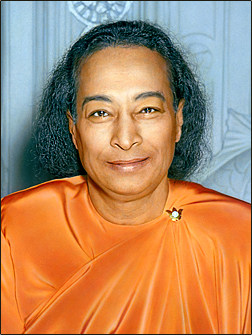
Embracing the Impermanence of Life
Paramahansa Yogananda's poignant inquiry, "If death came to you now, would you be content with the way you have lived?" invites us to confront the profound reality of our mortality. This question serves as a mirror reflecting our choices, values, and the essence of our existence. It compels us to evaluate whether our lives are aligned with our deepest aspirations and whether we have embraced our purpose fully. In a world often distracted by the mundane, this inquiry becomes a vital touchstone for authentic living.
To engage with this question is to embark on a journey of self-reflection that transcends mere existential dread. It challenges us to consider not only our accomplishments but also the quality of our relationships, the depth of our experiences, and the sincerity of our intentions. In doing so, we are invited to cultivate a sense of urgency and purpose, recognizing that life is fleeting and that each moment is an opportunity to live meaningfully. This contemplation is not merely an exercise in introspection; it is a call to action, urging us to align our lives with the values we hold dear.
The image / the metaphor
The imagery embedded in Yogananda's quote evokes a stark yet liberating confrontation with death. The phrase "if death came to you now" suggests an immediacy that jolts us from complacency, urging us to consider our lives as a finite journey. The verb "content" carries a weight of satisfaction that implies a life lived with intention and fulfillment. This metaphorical lens invites us to visualize our lives as a tapestry woven with choices, experiences, and relationships, prompting us to assess whether the threads are vibrant and meaningful or frayed and lacking substance.
In the speaker's tradition
Paramahansa Yogananda's teachings are deeply rooted in the spiritual tradition of Hinduism, where concepts such as dharma (righteous duty) and moksha (liberation) play pivotal roles. The inquiry into our contentment at the time of death resonates with the idea of living one's dharma, which emphasizes the importance of fulfilling one's purpose in life. Yogananda's emphasis on self-realization and the pursuit of divine love (bhakti) aligns with the notion that true fulfillment comes from living in harmony with our higher selves and the universe.
In the Bhagavad Gita, a foundational text of Hindu philosophy, Lord Krishna imparts wisdom on the nature of life and death, urging Arjuna to perform his duty without attachment to the fruits of his actions. This teaching echoes Yogananda's inquiry, as it invites us to reflect on whether we are living in accordance with our higher calling. The Gita's teachings on selfless action and the impermanence of life serve as a backdrop for understanding the urgency of Yogananda's question, reminding us that our lives are a sacred opportunity to express our true essence.
Living the teaching
Consider a modern scenario where this teaching resonates profoundly: a professional at a crossroads in their career. Faced with the choice between a lucrative job that feels misaligned with their values and a less secure path that ignites their passion, the question posed by Yogananda becomes a guiding light. In this moment of decision, reflecting on whether they would be content with their choice at the end of their life can illuminate the path toward authenticity. This contemplation can lead to a courageous leap into a vocation that aligns with their true purpose, fostering a sense of fulfillment that transcends material success.
In the realm of relationships, Yogananda's inquiry can serve as a powerful tool for introspection. Imagine a person grappling with unresolved conflicts in a significant relationship. By contemplating the question of contentment in the face of mortality, they may find the courage to address lingering grievances or express unspoken love. This reflection can transform the dynamic, fostering deeper connections and a sense of peace. In daily practice, such moments of reflection can cultivate a habit of living with intention, encouraging us to prioritize what truly matters in our interactions and commitments.
A reflection
As we draw this exploration to a close, we are left with Yogananda's profound question echoing in our hearts: "If death came to you now, would you be content with the way you have lived?" This inquiry invites us to pause and reflect on our lives with honesty and compassion. In this moment of contemplation, consider: what changes might you make today to ensure that your life aligns more closely with your deepest values and aspirations? Allow this question to guide you toward a life of authenticity and purpose.




Join the BrightStar Community
Stay connected with daily inspiration, event announcements, and community wisdom