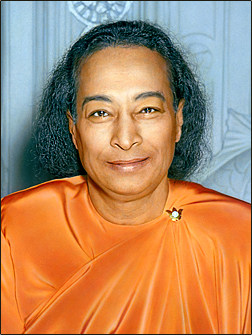
The Dance of Light and Shadow: Embracing Duality in Thought
Paramahansa Yogananda's assertion that "Life has a bright side and a dark side, for the world of relativity is composed of light and shadows" invites us to explore the dual nature of existence. He warns that if we allow our thoughts to linger on negativity, we risk becoming a reflection of that darkness. This insight is not merely philosophical; it is a profound call to mindfulness, urging us to recognize the power of our thoughts in shaping our reality. The stakes are high, as our mental landscape directly influences our emotional and spiritual well-being.
In a world often dominated by chaos and uncertainty, Yogananda's words serve as a beacon of clarity. They remind us that our perceptions can either illuminate or obscure our path. By acknowledging both the light and the shadows within ourselves and our surroundings, we cultivate a deeper understanding of the human experience. This duality is not a contradiction but rather an invitation to embrace the full spectrum of life, allowing us to navigate our journey with greater wisdom and compassion.
The image / the metaphor
The imagery in Yogananda's quote evokes a vivid landscape where light and shadows coexist, each defining the other. The use of "bright side" and "dark side" encapsulates the essence of duality, suggesting that life is a tapestry woven from contrasting threads. The verbs "permit" and "dwell" highlight our agency in choosing where to focus our thoughts. This choice is not trivial; it shapes our character and influences our interactions with the world around us.
Diving deeper into the metaphor, we see that light symbolizes positivity, clarity, and growth, while shadows represent negativity, confusion, and stagnation. The interplay between these elements reflects the fundamental nature of existence, where joy and sorrow, love and fear, coexist. By recognizing that both light and shadow are integral to our experience, we can cultivate a more nuanced understanding of ourselves and others, fostering empathy and resilience in the face of life's challenges.
In the speaker's tradition
Paramahansa Yogananda's teachings are deeply rooted in the Hindu tradition, where the concepts of dharma and duality play pivotal roles. Dharma, or righteous living, encourages individuals to align their thoughts and actions with their higher purpose. In this context, Yogananda's emphasis on the mind's power resonates with the idea of prajna, or wisdom, which guides us in discerning the light from the shadows. This alignment fosters a sense of inner peace and fulfillment, allowing us to navigate the complexities of life with grace.
Moreover, Yogananda's insights echo the teachings found in the Bhagavad Gita, where the nature of the mind is explored extensively. In Chapter 6, Krishna advises Arjuna on the importance of controlling the mind, stating that it can be both a friend and an enemy. This duality of the mind reflects Yogananda's assertion that our thoughts shape our reality, urging us to cultivate a disciplined and positive mental state to achieve spiritual growth and harmony.
Living the teaching
Consider a modern scenario where this teaching resonates: a workplace filled with stress and competition. In such an environment, it is easy to succumb to negative thoughts, focusing on rivalry and discontent. However, by consciously choosing to dwell on the positive aspects—collaboration, support, and shared goals—one can transform the atmosphere. This shift in perspective not only enhances personal well-being but also fosters a more harmonious workplace, illustrating the profound impact of our thoughts on collective experiences.
In the realm of relationships, Yogananda's teaching offers a powerful lens through which to view conflicts. When faced with misunderstandings or disagreements, it is tempting to dwell on grievances and perceived wrongs. Yet, by choosing to focus on love, understanding, and forgiveness, we can transcend the darkness of resentment. This practice not only heals relationships but also cultivates a sense of inner beauty and strength, aligning with Yogananda's vision of becoming a reflection of the light we choose to embrace.
A reflection
As we contemplate Yogananda's wisdom, we are invited to ask ourselves: What thoughts am I permitting to dwell in my mind, and how do they shape my perception of myself and the world? This question encourages a deep introspection, prompting us to examine the narratives we create and the emotions we cultivate. By becoming aware of our mental patterns, we can consciously choose to focus on the light, allowing it to illuminate our path and transform our lives.




Join the BrightStar Community
Stay connected with daily inspiration, event announcements, and community wisdom