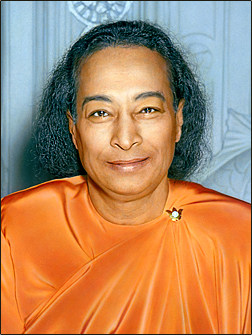
The Mental Hospital of the Soul
Paramahansa Yogananda's poignant observation that "Most of the world is like a mental hospital" invites us to reflect on the pervasive emotional ailments that afflict humanity. He identifies jealousy, anger, hatred, and selfishness as the primary maladies that cloud our consciousness and distort our interactions. This metaphor not only highlights the fragility of the human psyche but also underscores the urgent need for healing and awareness in our lives. Understanding this perspective is crucial, as it compels us to examine our own emotional states and the impact they have on our relationships and society at large.
Yogananda's words resonate deeply in a world often characterized by conflict and division. The metaphor of a mental hospital suggests that many individuals are trapped in cycles of negative emotions, unable to break free from their self-imposed prisons. This imagery serves as a call to action, urging us to cultivate awareness and compassion, both for ourselves and others. By recognizing the emotional struggles that we and those around us face, we can begin to foster a more harmonious existence, rooted in understanding and healing.
The image / the metaphor
The metaphor of a "mental hospital" conjures a vivid image of a place where individuals are confined, not by physical barriers, but by the chains of their own emotional turmoil. The choice of words like "sick" and "hospital" evokes a sense of urgency and necessity for healing. It suggests that just as one would seek treatment for a physical ailment, so too must we address the emotional and psychological afflictions that plague our lives. The verbs chosen—sick, afflicted—imply a lack of agency, a state of being that many find themselves in, often without realizing it.
Diving deeper into this metaphor, we can see that Yogananda is not merely pointing out the flaws in others; he is inviting us to recognize our own vulnerabilities. The "mental hospital" serves as a reflection of our collective consciousness, where jealousy, anger, and hatred are not just personal failings but societal conditions that require collective healing. This imagery encourages us to cultivate a sense of empathy, recognizing that everyone is grappling with their own struggles, and that healing begins with awareness and compassion.
In the speaker's tradition
Paramahansa Yogananda's insights are deeply rooted in the spiritual tradition of Hinduism, which emphasizes the importance of self-awareness and the journey toward enlightenment. Concepts such as dharma, or righteous living, and bhakti, the path of devotion, are integral to understanding how we can transcend the emotional ailments he describes. Yogananda's teachings encourage us to engage in practices that foster inner peace and self-realization, ultimately leading to a state of spiritual health that counters the mental afflictions he identifies.
In the context of Yogananda's work, we can draw parallels to the Buddhist concept of sunyata, or emptiness, which invites us to let go of attachments and negative emotions. Just as sunyata encourages a release from the ego's grasp, Yogananda's call for awareness and healing urges us to confront our emotional states and seek liberation from them. This interplay between recognizing our emotional struggles and striving for spiritual growth is a central theme in Yogananda's teachings, as seen in his seminal work, "Autobiography of a Yogi," where he emphasizes the transformative power of self-awareness and meditation.
Living the teaching
Consider a modern scenario where this teaching finds relevance: a workplace filled with competition and rivalry. In such an environment, jealousy and anger can easily fester, leading to a toxic atmosphere that stifles collaboration and creativity. By recognizing that many of our colleagues may be grappling with their own emotional struggles, we can approach interactions with greater empathy and understanding. This awareness allows us to foster a more supportive workplace culture, where healing and growth become possible.
In personal relationships, the teachings of Yogananda can also provide profound insights. Imagine a conflict with a loved one, where anger and resentment have taken root. By applying Yogananda's perspective, we can begin to see the underlying emotional wounds that contribute to these feelings. This shift in awareness encourages us to engage in open dialogue, fostering healing and understanding rather than allowing negative emotions to dictate our interactions. In this way, the teachings of Yogananda become a practical guide for navigating the complexities of human relationships.
A reflection
As we contemplate Yogananda's assertion that "Most of the world is like a mental hospital," we are invited to reflect on our own emotional states and the impact they have on our lives. What emotional afflictions do we carry, and how do they shape our interactions with others? In recognizing our own struggles, we can begin to cultivate a deeper sense of compassion, both for ourselves and for those around us. This awareness is the first step toward healing, allowing us to transform our personal "mental hospitals" into spaces of growth and understanding.




Join the BrightStar Community
Stay connected with daily inspiration, event announcements, and community wisdom