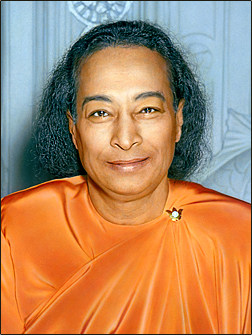
The Serenity of Self-Mastery
Paramahansa Yogananda invites us to cultivate a state of calm and self-command, suggesting that through this inner tranquility, we can navigate our relationships with greater ease. His assertion, "Remain calm, serene, always in command of yourself. You will then find out how easy it is to get along," underscores the profound connection between our inner state and our interactions with others. In a world often marked by chaos and discord, this wisdom serves as a beacon, illuminating the path toward harmonious living.
In a society that frequently equates busyness with productivity, Yogananda’s call for serenity challenges us to reconsider our priorities. The essence of his teaching lies not merely in the pursuit of peace but in the mastery of oneself. By remaining composed, we not only enhance our own experience of life but also create a ripple effect that can positively influence those around us. This notion of self-mastery is not a destination but a continuous journey, one that requires dedication and mindfulness.
The image / the metaphor
The imagery in Yogananda's quote evokes a sense of stillness amidst the storm. The verbs "remain" and "command" suggest a deliberate choice to cultivate an inner landscape that is unshakeable, regardless of external circumstances. This calmness is not passive; rather, it is an active engagement with oneself, a conscious decision to maintain serenity in the face of life's inevitable challenges. The felt sense of this quote is one of empowerment, inviting us to take responsibility for our emotional state and, consequently, our interactions with others.
Diving deeper into the metaphor, we can see that Yogananda is not merely advocating for a superficial calm but rather a profound inner peace that arises from self-awareness and self-regulation. This state of being is akin to a still lake, reflecting the beauty of the world around it without distortion. When we are in command of ourselves, we become like that lake—able to reflect the truth of our surroundings without being disturbed by the ripples of external events. This metaphor serves as a reminder that our inner world shapes our outer experiences.
In the speaker's tradition
Yogananda's teachings are deeply rooted in the rich tradition of Hindu philosophy, where concepts such as dharma (righteous duty) and prajna (wisdom) play pivotal roles. The idea of remaining calm and in command aligns with the practice of self-realization, a core tenet of Yogananda's teachings. In this context, self-mastery is not merely an individual endeavor but a spiritual practice that contributes to the greater good, reflecting the interconnectedness of all beings. The cultivation of inner peace is seen as a pathway to fulfilling one's dharma, allowing us to act with clarity and purpose.
In the Bhagavad Gita, a foundational text in Hindu philosophy, we find similar sentiments expressed through the character of Arjuna, who learns the importance of maintaining equanimity in the face of conflict. Krishna advises him to act without attachment to the results, emphasizing that true mastery comes from a place of inner calm. This parallel reinforces Yogananda's message, illustrating that the journey toward self-mastery is both timeless and universal.
Living the teaching
Consider a modern scenario where this teaching can be applied: imagine a workplace filled with tension and competing deadlines. In such an environment, it is easy to become overwhelmed and reactive. However, by embodying Yogananda's wisdom, one can choose to remain calm and centered, responding to challenges with clarity rather than frustration. This approach not only enhances personal well-being but also fosters a more collaborative atmosphere, allowing colleagues to work together more effectively.
Another application of this teaching can be found in personal relationships, particularly during moments of conflict. When disagreements arise, the instinct may be to react defensively or with anger. Yet, by practicing self-mastery and remaining calm, we create space for understanding and compassion. This shift in perspective can transform a potentially volatile situation into an opportunity for deeper connection and resolution, illustrating the power of Yogananda's insight in our daily lives.
A reflection
As we contemplate Yogananda's profound words, we are invited to reflect on our own capacity for self-mastery. How often do we allow external circumstances to dictate our emotional state? In what ways can we cultivate a deeper sense of calm within ourselves, thereby enhancing our interactions with others? This contemplation not only encourages personal growth but also serves as a reminder of the interconnectedness of our inner peace and the harmony we create in the world around us.




Join the BrightStar Community
Stay connected with daily inspiration, event announcements, and community wisdom