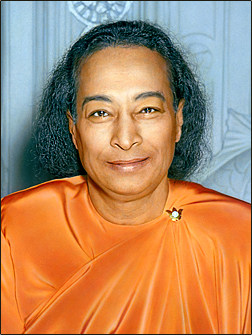
Transforming Karma Through Divine Wisdom
Paramahansa Yogananda's profound assertion, "Seeds of past karma cannot germinate if they are roasted in the fires of divine wisdom," invites us to explore the transformative power of wisdom in our lives. At its core, this quote suggests that the burdens of our past actions—our karma—can be rendered ineffective when we engage deeply with spiritual insight. This understanding is crucial, as it offers a pathway to liberation from the cycles of suffering and attachment that often define our human experience.
In a world where we often feel the weight of our past decisions, Yogananda's words serve as a beacon of hope. They remind us that while we may carry the consequences of our actions, we are not doomed to be defined by them. Instead, through the cultivation of divine wisdom, we can transcend our past and create a new reality. This teaching resonates deeply within the framework of Hindu philosophy, where the interplay of karma and wisdom is central to the journey toward self-realization and liberation.
The image / the metaphor
The imagery of "seeds of past karma" evokes a sense of potentiality and growth, suggesting that our actions, like seeds, have the capacity to sprout and bear fruit. However, the act of "roasting" these seeds in the "fires of divine wisdom" introduces a transformative process. Roasting implies a purification, a destruction of the seed's ability to germinate, which in this context symbolizes the power of wisdom to alter our relationship with our past. The verbs chosen—"germinate" and "roasted"—convey a dynamic interplay between potential and transformation, highlighting the active role wisdom plays in reshaping our destiny.
Diving deeper into this metaphor, we can see that the "fires of divine wisdom" represent a profound inner clarity and understanding that can incinerate the negative tendencies associated with our past actions. This wisdom is not merely intellectual; it is experiential and deeply rooted in spiritual practice. It suggests that through contemplation, meditation, and the pursuit of higher truths, we can effectively neutralize the impact of our past karma, allowing us to live more freely in the present moment.
In the speaker's tradition
Paramahansa Yogananda's teachings are deeply embedded in the rich tapestry of Hindu philosophy, where concepts such as dharma, karma, and moksha (liberation) are intricately interwoven. The notion of divine wisdom aligns closely with the idea of prajna, or insight, which is essential for navigating the complexities of life. In this context, wisdom acts as a guiding light, illuminating the path of dharma—the ethical and moral duties that govern our actions. By understanding and embodying our dharma, we can mitigate the effects of our past karma and move toward a state of liberation.
Furthermore, Yogananda's emphasis on wisdom resonates with the teachings found in the Bhagavad Gita, where Lord Krishna imparts knowledge to Arjuna, helping him to see beyond his immediate fears and attachments. In Chapter 4, Verse 38, it is stated, "In this world, there is nothing so purifying as knowledge." This echoes Yogananda's assertion that wisdom can transform our relationship with karma, allowing us to rise above the limitations imposed by our past actions.
Living the teaching
Consider a modern scenario where an individual grapples with the consequences of a past decision—perhaps a career choice that led to dissatisfaction and regret. In this situation, the individual may feel trapped by their karma, believing that their past defines their future. However, by engaging with the "fires of divine wisdom," such as through meditation or seeking guidance from a mentor, they can gain new insights that allow them to reframe their experiences. This shift in perspective can empower them to make choices that align more closely with their true self, ultimately leading to a more fulfilling life.
A reflection
As we contemplate Yogananda's profound insight, we are invited to consider how we might apply the fires of divine wisdom to our own lives. What past actions or decisions continue to influence our present experience? In what ways can we seek wisdom to transform these burdens into opportunities for growth and liberation? Reflecting on these questions can guide us toward a deeper understanding of ourselves and our journey, illuminating the path to a more liberated existence.




Join the BrightStar Community
Stay connected with daily inspiration, event announcements, and community wisdom