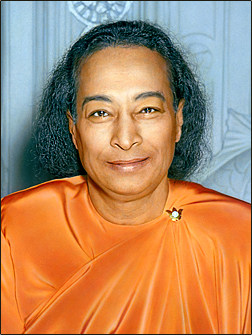
The Gentle Path of Spiritual Growth
Paramahansa Yogananda once stated, "Softness and gentleness of character are marks of true spiritual development." This profound assertion invites us to reconsider our understanding of strength and character in the context of spiritual evolution. In a world often enamored with assertiveness and dominance, Yogananda's words remind us that true spiritual maturity is reflected not in the hardness of our demeanor but in the softness of our hearts. This perspective challenges us to cultivate gentleness as a core aspect of our spiritual journey, suggesting that our inner development is intimately tied to our capacity for compassion and kindness.
To delve deeper into this idea, we must recognize that softness and gentleness are not signs of weakness but rather indicators of profound inner strength. They signify a heart that has been tempered by experience, a mind that has learned to embrace humility, and a spirit that seeks harmony with the world. In this light, Yogananda's quote serves as a guiding principle for those on a spiritual path, encouraging us to nurture these qualities within ourselves as we navigate the complexities of life. The cultivation of gentleness becomes a transformative practice, inviting us to engage with ourselves and others in a way that fosters understanding and connection.
The image / the metaphor
At first glance, the imagery of "softness and gentleness" evokes a sense of tranquility and warmth. These qualities conjure images of a gentle breeze, a soft touch, or the tender embrace of a loved one. The verbs chosen—softness and gentleness—suggest a fluidity of character that is adaptable and responsive rather than rigid and unyielding. This felt sense of gentleness invites us to explore how we can embody these traits in our daily interactions, allowing our character to reflect a deeper spiritual truth.
Delving deeper into the metaphor, we can see that softness does not imply passivity; rather, it embodies a dynamic strength that arises from a place of love and understanding. Just as a river carves its path through the landscape, gentle persistence can lead to profound transformation. This metaphor encourages us to recognize that true strength lies in our ability to remain open-hearted and compassionate, even in the face of adversity. By embracing gentleness, we cultivate a resilience that allows us to navigate life's challenges with grace and poise.
In the speaker's tradition
Paramahansa Yogananda's teachings are deeply rooted in the rich tradition of Hindu philosophy, where concepts such as dharma and bhakti play pivotal roles in spiritual development. Dharma, or righteous living, emphasizes the importance of aligning our actions with our higher purpose, which often requires a gentle and compassionate approach to ourselves and others. Similarly, bhakti, the path of devotion, calls for an open heart and a loving disposition, reinforcing the idea that true spiritual growth is marked by our capacity for gentleness and love.
In the Bhagavad Gita, a foundational text of Hindu philosophy, we find echoes of Yogananda's sentiment. The Gita teaches that the wise are those who remain undisturbed by the dualities of life, embodying a sense of equanimity that is rooted in love and compassion. This aligns with Yogananda's assertion that softness and gentleness are hallmarks of spiritual maturity, suggesting that the cultivation of these qualities is essential for anyone seeking to walk the path of true spiritual development.
Living the teaching
Consider a modern scenario where this teaching can be applied: imagine a workplace conflict where tensions run high, and assertiveness is the norm. In such an environment, responding with gentleness can feel counterintuitive, yet it often leads to more constructive outcomes. By approaching the situation with a soft demeanor, one can create space for dialogue and understanding, allowing for a resolution that honors the perspectives of all involved. This practice of gentleness not only fosters harmony but also reflects a deeper commitment to spiritual growth.
In the realm of personal relationships, the application of Yogananda's teaching becomes even more poignant. During moments of disagreement or emotional turmoil, the choice to respond with gentleness can transform the interaction. Instead of reacting with defensiveness or anger, one might pause and approach the other with compassion, seeking to understand their feelings. This gentle approach not only deepens the connection but also cultivates a nurturing environment where both individuals can grow and evolve together, embodying the essence of true spiritual development.
A reflection
As we contemplate Yogananda's assertion that "softness and gentleness of character are marks of true spiritual development," we are invited to reflect on our own lives. How can we cultivate gentleness in our interactions with ourselves and others? In what ways might embracing a softer approach lead to deeper connections and greater understanding? These questions serve as a guiding light on our spiritual journey, encouraging us to explore the transformative power of gentleness in our daily lives.




Join the BrightStar Community
Stay connected with daily inspiration, event announcements, and community wisdom