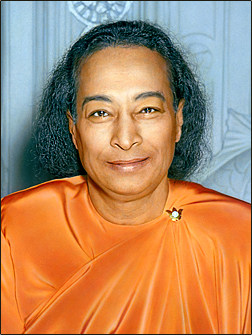
The Path of Habits: A Journey Towards Success
Paramahansa Yogananda's assertion that "Success is hastened or delayed by one's habits" invites us to reflect on the profound impact of our daily routines and choices. At its core, this statement emphasizes that the trajectory of our lives—whether we find ourselves thriving or struggling—is intricately linked to the habits we cultivate. This understanding is not merely an observation; it is a call to examine the very fabric of our existence, urging us to recognize that our habits shape our destinies.
In a world that often equates success with external achievements, Yogananda's words remind us that true success is an internal journey, one that requires discipline and mindfulness. The habits we form are not just actions; they are reflections of our values, intentions, and aspirations. By acknowledging the power of our habits, we can begin to align our daily practices with our deeper goals, ultimately creating a life that resonates with authenticity and purpose.
The image / the metaphor
Yogananda's quote conjures a vivid image of a path, where each habit serves as a stepping stone that either propels us forward or hinders our progress. The verbs "hastened" and "delayed" evoke a sense of urgency and consequence, suggesting that our choices are not neutral but rather dynamic forces that shape our journey. This imagery invites us to visualize our lives as a series of interconnected actions, where each habit contributes to the larger narrative of our success or failure.
Diving deeper into the metaphor, we can see that habits are akin to the soil in which our aspirations are planted. Just as a seed requires nurturing soil to grow, our dreams need the right environment—formed by our daily practices—to flourish. This understanding compels us to consider the quality of our habits: Are they nourishing our growth, or are they weeds that stifle our potential? In this light, Yogananda's insight becomes not just a statement about success, but a profound exploration of the relationship between our inner landscape and outer achievements.
In the speaker's tradition
Paramahansa Yogananda's teachings are deeply rooted in the rich tradition of Hindu philosophy, where concepts such as dharma (righteous duty) and karma (the law of cause and effect) play pivotal roles. The notion that our habits influence our success aligns with the principle of dharma, which emphasizes living in accordance with one's true nature and purpose. By cultivating habits that reflect our highest values, we align ourselves with our dharma, thus paving the way for authentic success.
Moreover, Yogananda's teachings resonate with the idea of kenosis, or self-emptying, found in various spiritual traditions. This concept encourages individuals to release attachments and ego-driven desires, allowing for a more profound connection to the divine. In this context, our habits can be seen as vehicles for this self-emptying process, guiding us toward a state of openness and receptivity that fosters true success. The Bhagavad Gita, a foundational text in Hinduism, echoes this sentiment, urging individuals to act with intention and awareness, thereby shaping their destinies through conscious choices.
Living the teaching
Consider a modern scenario where an individual aspires to achieve a healthier lifestyle. Each day presents a choice: to indulge in convenience or to prepare nourishing meals. The habits formed in this context—whether they involve mindful eating, regular exercise, or self-care—directly influence the individual's journey toward health. By consciously choosing habits that align with their goals, they not only hasten their success but also cultivate a deeper sense of well-being and fulfillment.
A reflection
As we contemplate Yogananda's insight, we are invited to ask ourselves: What habits am I currently nurturing, and how do they align with my vision of success? This question encourages a deep introspection, prompting us to evaluate the choices we make daily. By reflecting on our habits, we can begin to discern which ones serve our highest aspirations and which may need to be transformed, guiding us toward a more intentional and fulfilling life.




Join the BrightStar Community
Stay connected with daily inspiration, event announcements, and community wisdom