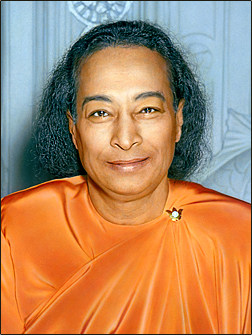
Confronting the Shadows Within
Paramahansa Yogananda's assertion that "tender inner weaknesses, turning to vices in outer expression, are the most dangerous enemies of the soul" invites us to explore the delicate interplay between our internal vulnerabilities and their external manifestations. At its core, this quote serves as a poignant reminder that the subtleties of our inner life can have profound implications for our spiritual journey. When we fail to acknowledge and address these weaknesses, they can morph into destructive vices that not only hinder our growth but also threaten the very essence of our being.
In a world that often prioritizes strength and resilience, Yogananda's words challenge us to embrace our vulnerabilities with compassion rather than shame. This perspective encourages a deeper understanding of the human experience, suggesting that our weaknesses are not merely flaws to be eradicated but rather aspects of ourselves that require nurturing and awareness. By recognizing the potential for these tender weaknesses to evolve into harmful expressions, we are called to cultivate a more profound relationship with our inner selves, fostering healing and transformation.
The image / the metaphor
The imagery in Yogananda's quote evokes a sense of fragility and danger, as it speaks to the tender nature of our inner weaknesses. The use of the word "tender" suggests a softness that is often overlooked, while "vices" conveys a sense of aggression and harm. This contrast highlights the duality of our inner landscape, where gentle vulnerabilities can, if left unchecked, give rise to destructive behaviors that can ensnare the soul. The verbs chosen—"turning" and "expression"—imply a dynamic process, one that requires our active engagement and awareness to navigate.
Diving deeper into the metaphor, we can see that Yogananda is not merely warning us of the dangers of vice; he is illuminating the path of self-awareness and self-acceptance. The transformation from weakness to vice is not instantaneous; it is a gradual process that unfolds over time, often unnoticed until it manifests in harmful ways. This metaphor serves as a call to vigilance, urging us to cultivate a compassionate awareness of our inner lives, recognizing that our weaknesses, when embraced and understood, can lead to profound personal growth rather than self-destruction.
In the speaker's tradition
Paramahansa Yogananda's teachings are deeply rooted in the rich tradition of Hindu philosophy, where concepts such as dharma, the moral order of the universe, and bhakti, the path of devotion, play pivotal roles. In this context, our inner weaknesses can be seen as misalignments with our dharma, leading us away from our true purpose. The notion of kenosis, or self-emptying, resonates here as well; by surrendering our ego-driven desires and acknowledging our vulnerabilities, we create space for divine grace to enter our lives, transforming our weaknesses into sources of strength.
Moreover, the Buddhist concept of sunyata, or emptiness, parallels Yogananda's insights. Just as sunyata teaches us to recognize the impermanence of our attachments and desires, Yogananda encourages us to confront our inner weaknesses with a sense of openness and acceptance. In the Bhagavad Gita, we find a similar sentiment expressed through the idea of self-awareness and the importance of recognizing one's own limitations as a pathway to spiritual growth. This interconnectedness of ideas across traditions underscores the universality of Yogananda's message.
Living the teaching
Consider a modern scenario where this teaching resonates: a professional grappling with the pressures of success may find themselves overwhelmed by self-doubt. This inner weakness, if unacknowledged, can manifest as procrastination or a fear of failure, ultimately hindering their progress. By recognizing this vulnerability and addressing it with compassion, the individual can transform their self-doubt into a catalyst for growth, seeking support and embracing the learning process rather than succumbing to the vices of avoidance or despair.
In the realm of relationships, Yogananda's teaching can be particularly illuminating. Imagine a couple facing recurring conflicts rooted in unspoken insecurities. If one partner's tender weaknesses are left unexamined, they may express themselves through defensiveness or withdrawal, creating a cycle of misunderstanding. By fostering open communication and vulnerability, both partners can confront their inner weaknesses together, transforming potential vices into opportunities for deeper connection and understanding. This practice of vulnerability not only strengthens the relationship but also nurtures the souls of both individuals involved.
A reflection
As we contemplate Yogananda's profound insight, we are invited to reflect on our own inner landscapes. What tender weaknesses reside within you, and how might they be manifesting in your life? In acknowledging these vulnerabilities, we open ourselves to the possibility of transformation, allowing our weaknesses to become sources of strength rather than obstacles to our spiritual journey. Consider this question as a guiding light on your path: How can you cultivate a compassionate awareness of your inner self, embracing your vulnerabilities as integral to your growth?




Join the BrightStar Community
Stay connected with daily inspiration, event announcements, and community wisdom