The Interwoven Threads of Happiness
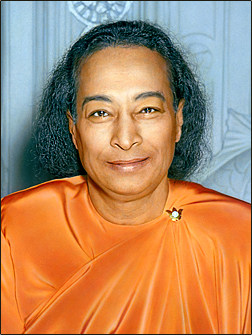
In the profound words of Paramahansa Yogananda, "The happiness of one's own heart alone cannot satisfy the soul; one must try to include, as necessary to one's own happiness, the happiness of others." This statement invites us to reflect on the interconnectedness of our individual joy and the joy of those around us. It suggests that true fulfillment is not found in solitary pursuits but rather in the shared experiences of compassion and service. In a world often driven by personal ambition, this teaching serves as a gentle reminder of the deeper, collective nature of happiness.
Yogananda's insight challenges the prevalent notion that personal happiness is a solitary endeavor. It beckons us to consider how our well-being is intricately linked to the well-being of others. This perspective is not merely altruistic; it is a recognition of the fundamental truth that we are all part of a larger tapestry of existence. When we cultivate happiness for ourselves, it becomes essential to extend that joy outward, creating a ripple effect that enriches both our lives and the lives of those we touch.
The image / the metaphor
The imagery in Yogananda's quote evokes a sense of wholeness and unity. The heart, often regarded as the seat of emotions, symbolizes our innermost feelings and desires. The use of the word "satisfy" suggests a yearning that transcends mere pleasure; it implies a deeper longing for connection and fulfillment. The verbs chosen—"try to include"—indicate an active engagement, a conscious effort to weave the happiness of others into the fabric of our own joy. This imagery paints a picture of a heart that is not only open but also expansive, capable of embracing the joys and sorrows of the collective.
Diving deeper into the metaphor, we can see that Yogananda is not merely advocating for kindness or charity; he is inviting us to recognize the interdependence of our emotional landscapes. The heart that seeks only its own happiness is akin to a flower that blooms in isolation, beautiful yet disconnected from the ecosystem that nurtures it. In contrast, a heart that seeks the happiness of others becomes a source of nourishment, contributing to a vibrant community where joy is shared and multiplied. This metaphor encourages us to envision happiness as a communal garden, where each individual's joy contributes to the flourishing of all.
In the speaker's tradition
Paramahansa Yogananda's teachings are deeply rooted in the spiritual tradition of Hinduism, which emphasizes the interconnectedness of all beings. Concepts such as dharma, or righteous duty, and bhakti, the path of devotion, resonate with the essence of Yogananda's message. In recognizing that our happiness is intertwined with the happiness of others, we align ourselves with our dharma, fulfilling our role in the cosmic order. This understanding fosters a sense of compassion, urging us to act not only for our own benefit but for the upliftment of all.
Moreover, Yogananda's teachings echo the principles found in the Bhagavad Gita, where the idea of selfless action (karma yoga) is paramount. In Chapter 3, Verse 19, Krishna advises Arjuna that one should perform their duty without attachment to the fruits of their actions. This aligns beautifully with Yogananda's assertion that our happiness is incomplete without considering the happiness of others. By engaging in selfless service, we cultivate a deeper sense of fulfillment that transcends personal gratification.
Living the teaching
Consider a modern scenario where this teaching can be applied: a workplace environment where competition often overshadows collaboration. Imagine an employee who, instead of solely focusing on personal accolades, takes the time to mentor a colleague struggling with a project. By investing in another's success, this individual not only fosters a sense of community but also experiences a profound sense of joy and fulfillment. This act of kindness creates a ripple effect, encouraging others to support one another, ultimately transforming the workplace into a thriving ecosystem of shared happiness.
In a different context, think about relationships—particularly during challenging times. When conflicts arise, it can be easy to become absorbed in our own feelings of hurt or frustration. However, by consciously shifting our focus to the happiness of our partner or friend, we open the door to empathy and understanding. This practice of prioritizing the well-being of others can lead to deeper connections and resolutions that honor both parties. In these moments, we embody Yogananda's teaching, recognizing that our own happiness is enriched when we actively seek to uplift those we love.
A reflection
As we contemplate Yogananda's profound words, we are invited to reflect on the nature of our own happiness. Are we nurturing our joy in isolation, or are we actively seeking to weave the happiness of others into our lives? In what ways can we extend our hearts to include those around us, fostering a community where joy is shared and multiplied? This contemplative question encourages us to explore the depths of our connections and the impact of our actions on the collective tapestry of existence.




Join the BrightStar Community
Stay connected with daily inspiration, event announcements, and community wisdom