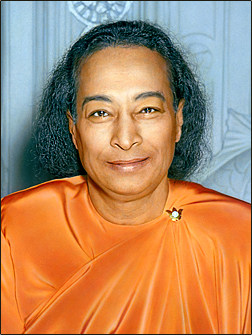
The Soul's Yearning for Divine Connection
Paramahansa Yogananda beautifully articulates a profound truth when he states, "The soul loves to meditate, for in contact with the Spirit lies its greatest joy." This quote encapsulates the essence of spiritual practice, suggesting that the soul finds its deepest fulfillment in communion with the divine. The stakes of this realization are high; understanding the joy that arises from meditation can transform our approach to spiritual life, inviting us to prioritize moments of stillness and reflection in an increasingly chaotic world.
In a society often preoccupied with external achievements and distractions, Yogananda's words serve as a gentle reminder of the inner sanctuary that meditation offers. The soul, in its essence, craves connection with the Spirit, which can be understood as the universal consciousness or divine presence. This relationship is not merely a passive experience but an active engagement that fosters joy, peace, and a sense of belonging. By recognizing the soul's intrinsic desire for this connection, we can begin to cultivate a more meaningful spiritual practice.
The image / the metaphor
The imagery in Yogananda's quote evokes a sense of intimacy and warmth, suggesting that the soul is not just a passive observer but an active participant in the dance of meditation. The verb "loves" implies a deep, affectionate yearning, while "meditate" conjures images of stillness, focus, and surrender. This dynamic interplay between the soul and the Spirit paints a picture of a relationship that is both nurturing and transformative, where joy is not a distant goal but an immediate experience arising from this sacred communion.
In the speaker's tradition
Paramahansa Yogananda's teachings are deeply rooted in the rich tradition of Hinduism, which emphasizes the importance of meditation as a means of realizing one's true self. Concepts such as dharma, or one's righteous path, and bhakti, the path of devotion, resonate with the idea that the soul's joy is found in its alignment with the divine. Yogananda's approach to meditation is not merely a technique but a sacred journey towards self-realization, where the soul's longing for connection is met with the Spirit's embrace.
In the context of Yogananda's teachings, we can draw parallels to the concept of prajna, or wisdom, which arises from direct experience of the divine. This wisdom is cultivated through meditation, allowing practitioners to transcend the limitations of the ego and experience the joy of unity with the Spirit. Texts such as the Bhagavad Gita emphasize the importance of meditation as a means of attaining self-knowledge and liberation, reinforcing Yogananda's assertion that the soul's greatest joy lies in this sacred contact.
Living the teaching
Consider a modern scenario where an individual feels overwhelmed by the demands of daily life—work, family, and social obligations can create a sense of disconnection from the self. In such moments, Yogananda's teaching invites us to pause and engage in meditation, creating a space for the soul to reconnect with the Spirit. This practice can transform feelings of stress and anxiety into moments of clarity and joy, as the individual discovers the profound peace that arises from stillness and reflection.
Moreover, this teaching can be applied in relationships, particularly during challenging interactions. When faced with conflict or misunderstanding, taking a moment to meditate can help individuals center themselves and approach the situation with a renewed perspective. By reconnecting with the Spirit through meditation, one can cultivate compassion and understanding, allowing for deeper connections and a more joyful experience in relationships. The act of meditating becomes a powerful tool for navigating life's complexities, reminding us that joy is always accessible when we turn inward.
A reflection
As we contemplate Yogananda's profound insight, we are invited to reflect on our own relationship with meditation and the Spirit. What does it mean for you to experience joy in your spiritual practice? In what ways can you deepen your connection to the divine through meditation? These questions encourage us to explore the richness of our inner lives and the transformative power of stillness, guiding us toward a more joyful existence.




Join the BrightStar Community
Stay connected with daily inspiration, event announcements, and community wisdom