The Heart's Magnet: Unselfishness as the Key to True Friendship
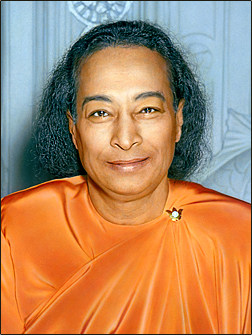
Paramahansa Yogananda beautifully articulates a profound truth when he states, "There is a magnet in your heart that will attract true friends. That magnet is unselfishness, thinking of others first." This quote invites us to reflect on the nature of friendship and the essential qualities that foster genuine connections. In a world often driven by self-interest, Yogananda's words remind us that the foundation of meaningful relationships lies in our willingness to prioritize the well-being of others over our own desires.
To delve deeper into this sentiment, we must consider the implications of unselfishness as a guiding principle in our lives. It challenges us to examine our motivations and the ways we engage with those around us. True friendship, as Yogananda suggests, is not merely a transactional relationship based on mutual benefit; rather, it is a sacred bond that flourishes in an atmosphere of selflessness and love. By nurturing this inner magnet of unselfishness, we create a space where authentic connections can thrive, enriching our lives and the lives of those we hold dear.
The image / the metaphor
The imagery of a magnet in the heart evokes a powerful sense of attraction and connection. A magnet draws in metal objects effortlessly, much like how unselfishness draws in true friends. The choice of the word "heart" emphasizes the emotional and spiritual dimensions of friendship, suggesting that our deepest connections are rooted in our capacity to love and care for others. This metaphor encapsulates the idea that our inner state directly influences the quality of our relationships, highlighting the importance of cultivating a generous spirit.
In the speaker's tradition
Paramahansa Yogananda's teachings are deeply rooted in the spiritual tradition of Hinduism, where concepts such as dharma and bhakti play a crucial role in understanding the nature of selflessness and love. Dharma, or righteous duty, encourages individuals to act in ways that benefit not only themselves but also the greater community. This aligns with Yogananda's assertion that unselfishness is the key to attracting true friends, as it embodies the essence of living in harmony with others. Bhakti, the path of devotion, further emphasizes the importance of love and selflessness in our relationships, inviting us to cultivate a heart that is open and generous.
In the Bhagavad Gita, a foundational text in Hindu philosophy, we find a parallel to Yogananda's message. The Gita teaches that selfless action, performed without attachment to the fruits of one's labor, leads to spiritual growth and fulfillment. This idea resonates with the notion that true friendship flourishes when we act from a place of love and selflessness, rather than seeking personal gain. By aligning our actions with these timeless teachings, we can deepen our understanding of friendship and the transformative power of unselfishness.
Living the teaching
Consider a modern scenario where this teaching can be applied: a workplace environment where competition often overshadows collaboration. In such a setting, individuals may focus on personal achievements, leading to a lack of genuine connections. However, when one chooses to prioritize the success and well-being of their colleagues—offering support, sharing knowledge, and celebrating others' accomplishments—they begin to cultivate an atmosphere of trust and camaraderie. This shift not only enhances workplace relationships but also attracts like-minded individuals who value collaboration over competition.
Another application of Yogananda's teaching can be found in personal relationships, particularly during challenging moments. Imagine a disagreement with a close friend or family member, where the instinct may be to defend one's own position. By consciously choosing to approach the situation with unselfishness—listening deeply, empathizing with the other person's perspective, and seeking a resolution that honors both parties—one can transform conflict into an opportunity for deeper connection. This practice of selflessness not only strengthens the bond but also reinforces the heart's magnet, drawing in true friends who appreciate and reciprocate this spirit of love and understanding.
A reflection
As we contemplate Yogananda's profound insight, we are invited to reflect on our own lives: How can we cultivate the magnet of unselfishness within our hearts? In what ways can we prioritize the needs of others, fostering deeper connections and attracting true friendships? This contemplation encourages us to examine our motivations and actions, guiding us toward a more compassionate and loving existence.




Join the BrightStar Community
Stay connected with daily inspiration, event announcements, and community wisdom