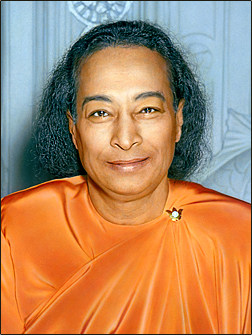
The Wisdom of Sorrow: A Pathway to Truth
Paramahansa Yogananda's profound assertion that "when you are unhappy, you are nearer to truth than when you are complacently content, for sorrow is a call to seek more deeply" invites us to reconsider our relationship with discomfort and discontent. In a world that often equates happiness with success, this perspective challenges us to embrace our sorrow as a catalyst for deeper understanding and growth. The stakes are high; recognizing the transformative potential of our unhappiness can lead us to profound insights about ourselves and our place in the universe.
Yogananda's words resonate deeply in a culture that frequently shuns sorrow in favor of superficial contentment. This quote serves as a reminder that sorrow is not merely an emotion to be avoided but a vital aspect of the human experience that can propel us toward greater truths. By acknowledging our unhappiness, we open ourselves to the possibility of seeking answers that complacency might obscure. In this light, sorrow becomes a sacred call, urging us to delve into the depths of our being and confront the realities we often overlook.
The image / the metaphor
The imagery in Yogananda's quote is striking, as it juxtaposes the concepts of unhappiness and complacent contentment. The verbs "are" and "seek" suggest a dynamic interplay between our emotional states and our quest for truth. Unhappiness is portrayed not as a mere absence of joy but as a vital force that compels us to seek more profoundly. This call to action is imbued with a sense of urgency, as if sorrow itself is a guide leading us toward a deeper understanding of our existence.
In the speaker's tradition
Paramahansa Yogananda's teachings are deeply rooted in the rich tradition of Hindu philosophy, where concepts such as dharma and bhakti play crucial roles in understanding the human experience. Dharma, often translated as "righteous duty," emphasizes the importance of aligning our actions with our true nature, while bhakti, or devotion, encourages a heartfelt connection to the divine. In this context, sorrow can be seen as a necessary aspect of our journey toward fulfilling our dharma, as it often prompts us to reevaluate our paths and deepen our devotion.
Moreover, Yogananda's perspective aligns with the Buddhist concept of sunyata, or emptiness, which suggests that our attachments to happiness and aversion to sorrow can cloud our understanding of reality. In both traditions, the acknowledgment of suffering is essential for spiritual growth. The Bhagavad Gita, a foundational text in Hindu philosophy, teaches that true wisdom arises from understanding the transient nature of emotions, including sorrow. By embracing our unhappiness, we can cultivate a deeper awareness of our true selves and the interconnectedness of all beings.
Living the teaching
Consider a modern scenario where this teaching might resonate: a person facing a significant life change, such as the loss of a job or the end of a relationship. Initially, the individual may feel overwhelmed by sorrow, perceiving it as a setback. However, if they embrace this unhappiness as an opportunity for reflection, they may discover hidden desires, aspirations, or even the courage to pursue a long-held dream. In this way, sorrow becomes a powerful catalyst for personal growth and transformation.
In the context of relationships, Yogananda's teaching can also be applied when navigating conflicts or misunderstandings. Instead of dismissing feelings of unhappiness or resentment, one might choose to explore these emotions more deeply. By engaging in open communication and self-reflection, individuals can uncover underlying issues that need addressing, ultimately leading to a more authentic and fulfilling connection. In this light, sorrow serves as a bridge to deeper understanding and intimacy.
A reflection
As we contemplate Yogananda's insight, we are invited to reflect on our own experiences with sorrow. How often do we allow ourselves to sit with our unhappiness, to explore its depths rather than flee from it? In what ways might our discomfort be calling us to seek more profoundly within ourselves? These questions encourage us to embrace the full spectrum of our emotional experiences, recognizing that even in sorrow, we can find the seeds of truth and transformation.




Join the BrightStar Community
Stay connected with daily inspiration, event announcements, and community wisdom