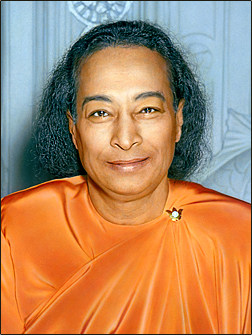
Unveiling the Divine Within
Paramahansa Yogananda's profound assertion, "You do not have to struggle to reach God, but you do have to struggle to tear away the self-created veil that hides him from you," invites us to reconsider the nature of our spiritual journey. This quote emphasizes that the divine presence is not distant or inaccessible; rather, it is often obscured by our own misconceptions and attachments. The stakes are high, as this veil can lead to a lifetime of seeking without truly finding, leaving us feeling disconnected from the very essence of existence.
In a world where the pursuit of spirituality can sometimes feel like an arduous climb up a steep mountain, Yogananda's words offer a refreshing perspective. The struggle is not about reaching out to an external God but about turning inward to confront the barriers we have constructed. This inner journey requires courage and honesty, as we must face the aspects of ourselves that resist the light of divine truth. By recognizing that the divine is already present within us, we can begin to dismantle the illusions that keep us from experiencing this profound connection.
The image / the metaphor
The imagery in Yogananda's quote is striking; it evokes the notion of a veil, a thin yet impenetrable barrier that separates us from the divine. The use of the word "struggle" suggests that this is not a passive endeavor; it requires active engagement and effort. The veil symbolizes our ego, our fears, and our attachments—elements of the self that cloud our perception of God. The act of tearing away this veil implies a process of unlearning and shedding, which can be both painful and liberating.
Diving deeper into the metaphor, we can see that the veil is not merely an obstacle but also a teacher. It reflects our inner conflicts and the ways we have constructed our identities around worldly desires and fears. By recognizing the veil as a part of our spiritual journey, we can approach it with compassion rather than frustration. This struggle becomes a sacred rite of passage, leading us toward greater clarity and understanding of our true nature, which is inherently connected to the divine.
In the speaker's tradition
Yogananda's teachings are deeply rooted in the rich tradition of Hindu philosophy, particularly the concepts of dharma and bhakti. Dharma refers to the moral and ethical duties that guide our actions, while bhakti emphasizes the path of devotion and love toward God. In this context, the struggle to remove the veil can be seen as a commitment to living in accordance with our dharma, which ultimately leads us closer to the divine. The ego, or ahamkara, often stands in the way of fulfilling our true purpose, creating a dissonance that must be reconciled through spiritual practice.
Moreover, Yogananda's insights resonate with the Buddhist concept of sunyata, or emptiness, which teaches that our attachments and identifications with the self are illusions that obscure our true nature. In the Bhagavad Gita, Krishna advises Arjuna to relinquish his ego and act selflessly, echoing Yogananda's call to dismantle the self-created barriers that hinder our connection with God. This interwoven tapestry of ideas across spiritual traditions underscores the universality of the struggle to unveil the divine within.
Living the teaching
Consider a modern scenario where this teaching can be applied: a person grappling with feelings of inadequacy in their career. They may feel that their worth is tied to external achievements, creating a veil of self-doubt that obscures their inherent value. By recognizing that this struggle is not about proving oneself to the world but about uncovering the truth of their being, they can begin to dismantle the barriers of ego and self-judgment. This shift in perspective allows them to approach their work with renewed purpose and authenticity, fostering a deeper connection to their true self.
In relationships, this teaching can manifest in moments of conflict or misunderstanding. When we find ourselves reacting defensively or holding onto grievances, we may be experiencing the veil of our ego. By consciously choosing to engage in self-reflection and vulnerability, we can begin to peel back the layers of resentment and fear. This process not only deepens our connections with others but also brings us closer to the divine presence that resides within each of us, reminding us that love and understanding are the ultimate truths.
A reflection
As we contemplate Yogananda's profound words, we are invited to ask ourselves: What veils have I created that obscure my perception of the divine within me? This question encourages us to engage in a process of introspection, examining the beliefs, fears, and attachments that may be hindering our spiritual growth. By embracing this inquiry, we open ourselves to the possibility of transformation and the realization that the divine is not a distant goal but an ever-present reality waiting to be unveiled.



Join the BrightStar Community
Stay connected with daily inspiration, event announcements, and community wisdom