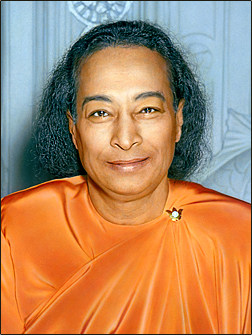
The Awakening of Will and Desire
In the words of Paramahansa Yogananda, "Your part is to awaken your desire to accomplish your worthy objectives. Then whip your will into activity until it follows the trail of your desire." This quote encapsulates a profound truth about the interplay between desire and will, urging us to recognize our innate potential to manifest our aspirations. It speaks to the heart of human experience, where the alignment of intention and action becomes the crucible for transformation. Understanding this dynamic is essential, as it invites us to engage actively with our aspirations rather than passively waiting for them to unfold.
Yogananda’s insight is not merely a call to action; it is an invitation to introspection. To awaken desire is to engage with our deepest motivations, to sift through the noise of daily life and uncover what truly matters to us. This awakening is the first step in a journey that requires not just recognition but also the courage to act. The challenge lies in the transition from desire to will, where the energy of aspiration must be harnessed and directed into tangible efforts. In this way, Yogananda offers a roadmap for those seeking to navigate the complexities of their inner lives and external realities.
The image / the metaphor
At the heart of Yogananda's quote lies a vivid metaphorical landscape. The imagery of "awakening desire" evokes a sense of stirring from slumber, as if our aspirations lie dormant, waiting for the spark of recognition. The phrase "whip your will into activity" suggests a dynamic, almost vigorous engagement with our intentions, as if we are training a powerful steed to follow a chosen path. This language conveys urgency and vitality, emphasizing that desire alone is insufficient; it must be coupled with the disciplined application of will to manifest our goals.
Diving deeper into this metaphor, we can see the relationship between desire and will as a dance of energies. Desire can be seen as the flame that ignites our passions, while will acts as the wind that propels that flame forward. Together, they create a force that can lead to profound change. The imagery of a trail suggests that the journey toward our objectives is not a straight path but rather a winding road that requires both clarity of purpose and the determination to navigate its twists and turns. This interplay invites us to consider how we can cultivate both desire and will in our lives, ensuring they work in harmony.
In the speaker's tradition
Paramahansa Yogananda's teachings are deeply rooted in the spiritual tradition of Hinduism, where concepts such as dharma and bhakti play pivotal roles. Dharma, or one's righteous duty, aligns closely with the notion of worthy objectives, suggesting that our desires should be in harmony with our higher purpose. Bhakti, the path of devotion, emphasizes the importance of surrendering one's will to a higher power, yet Yogananda's quote encourages a more active engagement with our desires, highlighting the balance between devotion and personal agency. This duality reflects the essence of spiritual practice, where both aspiration and action are necessary for spiritual growth.
In the Bhagavad Gita, a foundational text in Hindu philosophy, we find a parallel to Yogananda's teaching. Arjuna's struggle on the battlefield serves as a metaphor for the inner conflict between desire and duty. Krishna advises Arjuna to act according to his dharma, urging him to awaken his will and engage in the battle of life. This narrative reinforces the idea that our worthy objectives are often intertwined with our responsibilities, and it is through the alignment of desire and will that we can fulfill our true purpose.
Living the teaching
Consider a modern scenario where this teaching resonates: an individual contemplating a career change. They may feel a deep desire to pursue a passion for art, yet the fear of instability holds them back. In this context, awakening the desire involves recognizing the joy and fulfillment that art brings, while whipping the will into action means taking concrete steps—perhaps enrolling in a class or dedicating time each week to create. This process illustrates the transformative power of aligning desire with action, as the individual begins to carve a new path that reflects their true self.
Another application of Yogananda's teaching can be found in relationships. Imagine a couple facing communication challenges. One partner may desire a deeper connection but feels hesitant to express their needs. By awakening this desire and mustering the will to engage in open dialogue, they can foster a more authentic relationship. This act of courage not only strengthens their bond but also exemplifies how the interplay of desire and will can lead to healing and growth in interpersonal dynamics. In both scenarios, the essence of Yogananda's message is clear: the journey toward our aspirations requires both recognition of our desires and the commitment to act upon them.
A reflection
As we contemplate Yogananda's words, we are invited to reflect on our own lives: What worthy objectives stir within us, waiting to be awakened? In what ways can we harness our will to bring these desires into action? This inquiry encourages us to explore the depths of our aspirations and consider the steps we can take to align our inner motivations with our external actions. By engaging with this question, we open ourselves to the possibility of transformation, allowing our desires to guide us toward a more fulfilling existence.




Join the BrightStar Community
Stay connected with daily inspiration, event announcements, and community wisdom