The Power of Now: Embracing the Present Moment
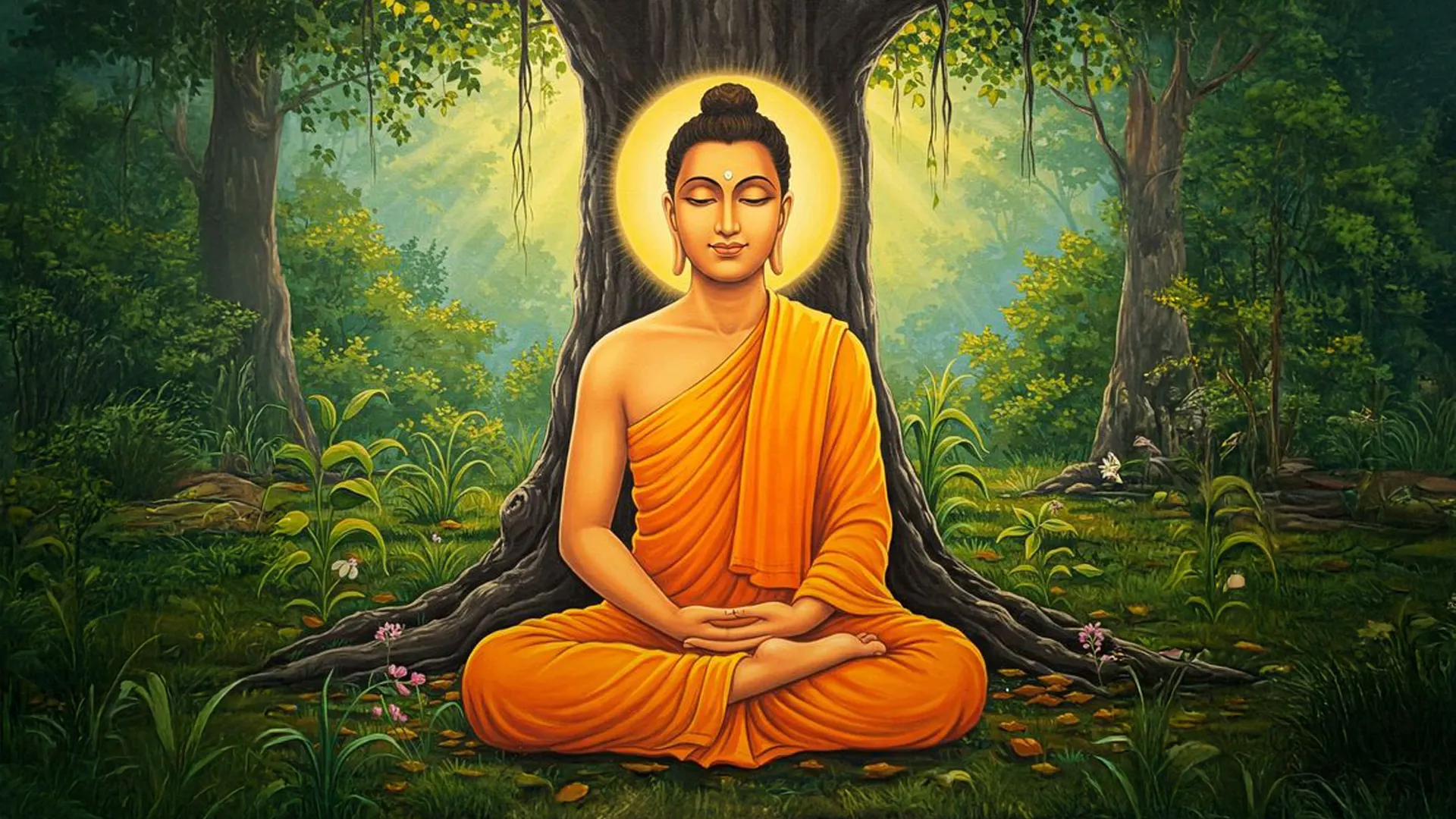
Buddha's exhortation to "not dwell in the past, do not dream of the future, concentrate the mind on the present moment" serves as a profound reminder of the importance of mindfulness. In a world that often pulls us in multiple directions, this teaching invites us to anchor ourselves in the here and now. The stakes are high; our mental well-being and spiritual growth hinge on our ability to cultivate presence, allowing us to experience life fully rather than through the haze of regret or anticipation.
This call to presence is not merely a suggestion but a fundamental aspect of Buddhist practice. By concentrating on the present moment, we can transcend the dualities of past and future, which often cloud our perception and lead to suffering. In this way, Buddha's words resonate deeply with the essence of human experience, urging us to embrace the richness of life as it unfolds, moment by moment.
The image / the metaphor
The imagery in Buddha's quote is strikingly vivid, evoking a sense of immediacy and urgency. The verbs "dwell," "dream," and "concentrate" suggest a dynamic interplay between the mind and its tendencies. To "dwell" implies a lingering attachment to what has already transpired, while to "dream" indicates a projection of desires or fears into an uncertain future. In contrast, "concentrate" calls for an active engagement with the present, demanding our full attention and awareness.
In the speaker's tradition
Within the rich tapestry of Buddhist philosophy, this teaching aligns closely with the concept of mindfulness (sati) and the practice of meditation. Mindfulness encourages us to observe our thoughts and feelings without attachment, fostering a deeper understanding of the impermanent nature of existence. This aligns with the notion of sunyata, or emptiness, which teaches that our experiences are transient and that clinging to them leads to suffering.
A relevant text that echoes this sentiment is the Satipatthana Sutta, where Buddha outlines the foundations of mindfulness. In this discourse, he emphasizes the importance of being aware of the body, feelings, mind, and mental objects in the present moment. This practice not only cultivates awareness but also liberates us from the chains of past regrets and future anxieties, allowing us to engage fully with life as it is.
Living the teaching
Consider a modern scenario where this teaching can be applied: a busy professional caught in the whirlwind of deadlines and responsibilities. Often, such individuals find themselves ruminating over past mistakes or worrying about future outcomes, which can lead to stress and burnout. By consciously choosing to focus on the present moment—perhaps through a brief mindfulness exercise or a moment of deep breathing—they can reclaim their sense of agency and clarity, transforming their experience of work into one of engagement rather than dread.
In relationships, this teaching can manifest in profound ways. Imagine a couple caught in a cycle of misunderstandings, each partner dwelling on past grievances or fearing future conflicts. By practicing presence, they can learn to listen to each other without the filter of past hurts or future anxieties, fostering a deeper connection and understanding. This shift towards mindfulness can transform their interactions, allowing love and compassion to flourish in the present.
A reflection
As we contemplate Buddha's teaching, we might ask ourselves: "In what ways do I allow the past or future to overshadow my present experience?" This question invites us to explore our own patterns of thought and behavior, encouraging a deeper inquiry into how we can cultivate mindfulness in our daily lives. By reflecting on this, we can begin to unravel the layers of distraction that keep us from fully embracing the richness of the now.