Finding Refuge in Truth: The Path of Understanding
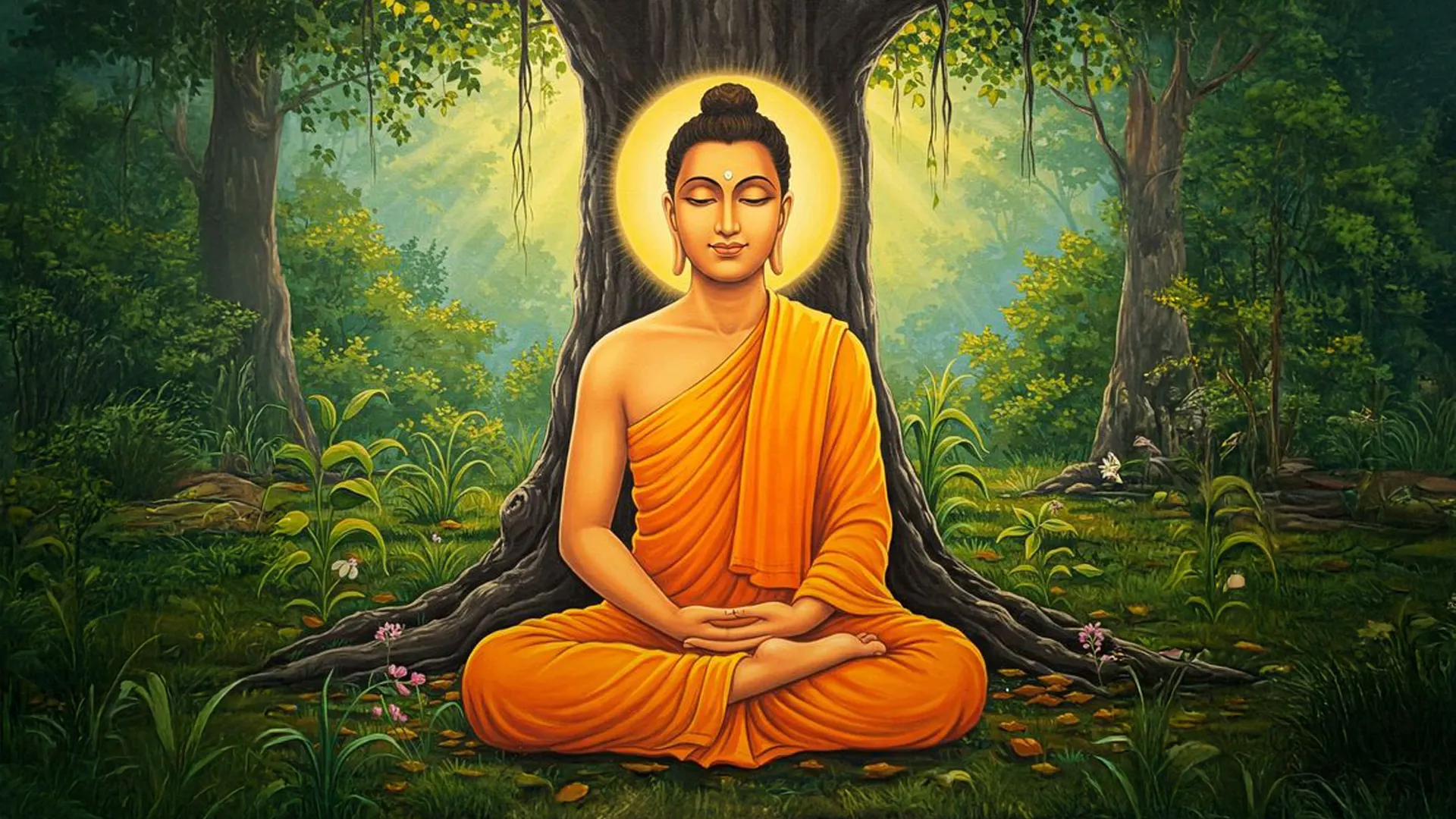
The quote from the Buddha, "He who has gone for refuge to the Buddha, the Law, and the Brotherhood; he who, with clear understanding, sees the four holy truths," invites us to consider the profound journey of seeking refuge in the foundational elements of Buddhism. This refuge is not merely a physical or superficial act; it is a deep commitment to understanding the nature of existence and the truths that govern our lives. In a world often filled with confusion and suffering, this teaching beckons us to explore the essence of our being and the interconnectedness of all life.
At its core, this quote emphasizes the importance of understanding and community in the pursuit of spiritual awakening. The Buddha, the Law (Dharma), and the Brotherhood (Sangha) represent the three jewels of Buddhism, guiding practitioners toward enlightenment. This triad serves as a refuge, a safe haven where one can cultivate wisdom and compassion. The act of seeing the four noble truths is not merely an intellectual exercise; it is a transformative experience that shapes our perception of reality and our place within it.
The image / the metaphor
The imagery in this quote is rich and evocative, portraying a journey toward refuge that is both personal and communal. The act of "going for refuge" suggests a movement away from confusion and suffering toward a sanctuary of clarity and understanding. The verbs chosen—"gone," "seeing," and "understanding"—imply an active engagement with the teachings of the Buddha, rather than passive acceptance. This journey is not a solitary one; it is undertaken within the supportive embrace of the Sangha, emphasizing the importance of community in spiritual practice.
Diving deeper into the metaphor, we can see that the refuge offered by the Buddha, the Dharma, and the Sangha is akin to a lighthouse guiding a ship through turbulent waters. The Buddha represents the light of wisdom, illuminating the path ahead, while the Dharma serves as the navigational chart, providing the principles and truths that guide our journey. The Sangha, as the supportive community, offers companionship and encouragement, reminding us that we are not alone in our struggles. Together, these elements create a holistic framework for understanding and navigating the complexities of life.
In the speaker's tradition
This quote is deeply rooted in the Buddhist tradition, where the concepts of Dharma and Sangha are central to the path of enlightenment. The Dharma encompasses the teachings of the Buddha, including the Four Noble Truths, which articulate the nature of suffering and the path to liberation. Understanding these truths requires a form of prajna, or wisdom, that transcends mere intellectual comprehension. It is a profound insight into the nature of existence, urging practitioners to confront their suffering and the impermanence of life.
In the Dhammapada, the text from which this quote is drawn, the Buddha emphasizes the importance of understanding as a means to liberation. The verses encourage practitioners to cultivate mindfulness and awareness, leading to a deeper grasp of the Four Noble Truths. This understanding is not static; it evolves through practice and reflection, allowing individuals to experience the transformative power of the teachings in their daily lives. The interplay between wisdom and community is essential, as the Sangha provides a space for shared learning and support on this journey.
Living the teaching
Consider a modern scenario where this teaching resonates: a person grappling with anxiety and uncertainty in their life. They may feel overwhelmed by the pressures of work, relationships, and societal expectations. In seeking refuge in the Buddha, the Dharma, and the Sangha, they find solace in meditation and mindfulness practices that help them confront their fears. By engaging with the Four Noble Truths, they begin to understand the nature of their suffering and the impermanence of their circumstances, leading to a sense of liberation and peace.
Another application of this teaching can be found in interpersonal relationships. Imagine a couple facing conflict and misunderstanding. By turning to the principles of the Dharma, they can approach their challenges with compassion and clarity. Engaging in open dialogue and seeking mutual understanding allows them to see beyond their immediate frustrations, fostering a deeper connection. In this way, the teachings of the Buddha serve as a guiding light, illuminating the path toward reconciliation and harmony.
A reflection
As we contemplate the wisdom of the Buddha's words, we are invited to reflect on our own journeys. In what ways have we sought refuge in our lives, and how has that shaped our understanding of truth? Consider the role of community in your spiritual practice and the insights you have gained from engaging with others on this path. How can you deepen your understanding of the Four Noble Truths in your daily life, and what steps can you take to embody this wisdom more fully?